INVESTMENT THE ORIGINAL DIGEST SEPTEMBER 12, 2025โœŒINVESTMENT DAS ORIGINALย  REPORT 12. SEPTEMBER 2025โœŒFOUNDED IN 2000 ANNO DOMINI

ย 

ย 

Investment Digest: Markets Hold Breath Ahead of Fed, Crypto Extends Gains, Equities Dip on Tariff Fears โ€“ September 12, 2025

Key Points

ยท Crypto Momentum Continues: Bitcoin holds at $114,500 (+0.44% from $114,000), eyeing $115K resistance. Ethereum at $4,630 (+0.65% from $4,600), XRP steady at $3.15 (+0.32% from $3.14). Solana leads at $210.00 (+1.69% from $206.50) on institutional stack news. DeFi sector cools slightly, Qubit TVL at $3.05B (-1.6%).
ยท Derivatives Activity High: Aggregate crypto derivatives volume at $12.5T. Solana options open interest spikes 12%. XRP perpetual swaps funding rate turns positive.
ยท Equities Slightly Negative: S&P 500 at 6,375 (-0.23% from 6,390), Nasdaq at 20,930 (-0.19% from 20,970), Dow at 44,400 (-0.14% from 44,460) on tariff implementation fears. Asian markets mixed; CSI 300 corrects -0.8% after stimulus rally.
ยท Commodities Mixed: Gold retreats to $3,395/oz (-0.44% from $3,410) as risk appetite returns. Silver at $38.40/oz (-0.52% from $38.60). Oil gains; Brent crude at $72.25/barrel (+0.49% from $71.90) on inventory draw.
ยท Bonds Edge Lower: U.S. 10-year Treasury yields rise to 4.31% (+0.03% from 4.28%) as markets price Fed hawkish hold. Tokenized bond funds see $120M outflow.
ยท Real Estate Data Solid: U.S. commercial property transaction volume up 2.1% MoM. Tokenized real estate AUM stable at $i.
ยท Fed Watch: All eyes on Powellโ€™s 2:30 PM EDT speech. Futures price 85% chance of hold, 15% for a 25bps cut.
ยท Tariff Tensions Cement: U.S. tariffs on India (50%), EU (30%) officially enacted. EU’s $84B retaliation package details emerge, targeting agricultural imports.
ยท Geopolitical Watch: Iran nuclear talks stall further. Thai constitutional court delays PM ruling. Texas voting map debate intensifies.

Courtesy of Investment The Original by Bernd Pulch, exposing elite tax havens and banking corruption. Subscribe for exclusive leaks at patreon.com/berndpulch.

INVESTMENT – THE ORIGINAL
**”Markets await Fed decision as tariffs bite. Crypto holds strong. Get the uncensored intelligence behind the headlines. [SUBSCRIBE NOW] โžก๏ธ patreon.com/berndpulch #FedDecision #MarketVolatility”**

Renowned journalist Bernd Pulch delivers exclusive financial intelligence via “Investment The Original” on Patreon, sharing leaked documents and insider reports.

GET YOUR COPY ONLY HERE

https://www.patreon.com/posts/investment-132398905

FREE FOR DONORS & PATRONS

Global Markets: A Day of Cautious Pauses

Global markets adopted a wait-and-see posture Thursday, with minor pullbacks in equities and bonds as investors positioned for the Federal Reserve’s pivotal afternoon announcement. Cryptocurrencies defied the trend, extending their weekly gains led by Solana. The formal enactment of new U.S. tariffs and escalating retaliatory threats from the EU cast a pall over risk assets, though energy commodities found support from supply constraints. Commercial real estate data provided a bright spot, showing resilient transaction volume. The day’s narrative is set to be defined by Chairman Powell’s tone on inflation and the future path of rate cuts.

What is “Investment The Original”?

Investment The Original” is a premium Patreon service sharing confidential financial data, offshore leaks, and corruption reports for investors, journalists, and activists.

Key Features of the Patreon Subscription:

  • Exclusive Leaks & Documents โ€“ Access unpublished financial data.
  • Offshore Company Data โ€“ Details on tax havens and shell companies.
  • Banking & Corruption Reports โ€“ Insider insights into scandals.
  • High-Profile Case Studies โ€“ Analysis of elite wealth strategies.
  • Regular Updates โ€“ Frequent subscriber content.

Why Patreon?

Patreonโ€™s secure platform ensures safe delivery of sensitive data, minimizing censorship risks.

Who Should Subscribe?

  • Journalists โ€“ For groundbreaking stories.
  • Researchers โ€“ To expose corruption.
  • Investors โ€“ For strategic insights.
  • Activists โ€“ To hold power accountable.

How to Join

Access “Investment The Original” at:
๐Ÿ”— patreon.com/berndpulch

Choose membership tiers for varying access levels.

Final Thoughts

“Investment The Original” offers unfiltered financial intelligence. Subscribe for secure, exclusive insights.

Stay informed. Stay ahead.
๐Ÿ‘‰ Subscribe now: patreon.com/berndpulch


Disclaimer: Content may be sensitive. Use responsibly and comply with laws.

๐Ÿ” OFFICIAL INTELLIGENCE SOURCES
๐ŸŸข Primary Domain: BerndPulch.org – Licensed Intelligence Media
๐Ÿ”„ Mirror Site: GoogleFirst.org – Document Archive
๐Ÿ“ Archives: Rumble Videos โ€ข WordPress Briefings

๐Ÿ’Ž CLASSIFIED ACCESS
๐Ÿ”“ Patrons receive:

  • ๐Ÿ” Classified document briefings
  • โš ๏ธ Uncensored geopolitical reports
  • ๐Ÿšจ Early leak notifications
    ๐Ÿ‘‰ Unlock Full Access Now

๐Ÿ“œ VERIFIED CREDENTIALS

๐Ÿ’ฐ ANONYMOUS SUPPORT
๐Ÿช™ Cryptocurrency Donations:
“`bash
BTC/ETH/BNB: 0xdaa3b8โ€ฆd616bb
Multi-Chain: 0x271588โ€ฆ7AC7f
XMR: 41yKiG6โ€ฆCoh

Investment Highlights

Bitcoin holds firm at $114,500. Solana surges to $210 on custody solution news. Equities dip pre-Fed. Oil prices climb on inventory data. All eyes on Powell’s 2:30 PM address for signals on September rate cut trajectory. Tariff implementation begins, EU retaliation looms.

Comprehensive Analysis

This Investment Digest for September 12, 2025, powered by Investment The Original by Bernd Pulch, compiles global investment news as of 12:00 PM EST. Markets are in a holding pattern, defined by anticipation of the Fed’s decision and guidance. While crypto shows strength, traditional markets are hesitant. The new tariff regime introduces a layer of economic uncertainty that could define market movements for the coming weeks. Subscribers to patreon.com/berndpulch receive advanced briefings on the geopolitical deals impacting these markets. Explore the Nacktes Geld podcast for deeper analysis.

Investment Digest: Krypto steigt nach Zinssenkungsspekulationen, Aktien gemischt, Rohstoffe fest, Anleihen stabil und Gewerbeimmobilien robust trotz Zollspannungen und geopolitischer Risiken โ€“ 11. September 2025

Hauptpunkte

ยท Krypto steigt: Bitcoin bei 114.000 $ (+1,7 % von 112.100 $), durchbricht 114.000 $ nach PPI-Daten und Fed-Senkungswahrscheinlichkeit. Ethereum bei 4.600 $ (+0,4 % von 4.580 $), XRP bei 3,14 $ (+0,3 % von 3,13 $), Solana bei 206,50 $ (+0,1 % von 206,20 $). Qubit DeFi um 17,3 % im TVL gestiegen, VINE Token um 1,6 %. X-Posts bullish zu BTC/ETH.
ยท Derivatevolumen robust: Krypto-Derivate bei 12,1 Billionen $, Solana-Futures um 7,3 % gestiegen, XRP-Futures mit 4,5 Mrd. $ Open Interest. Mastercard-Deal erhรคlt XRP-Schwung.
ยท Aktien gemischt: S&P 500 bei 6.390 (+0,16 % von 6.380), Nasdaq bei 20.970 (+0,10 % von 20.950), Dow bei 44.460 (+0,02 % von 44.450) nach PPI-Dip. CSI 300 um 3,5 % gestiegen aufgrund von Konjunkturprogrammen. Sensex bei 83.050 (+0,06 % von 83.000), Nifty bei 25.290 (+0,04 % von 25.280) robust trotz Zรถlle.
ยท Rohstoffe fest: Gold bei 3.410 $/Unze (+0,15 % von 3.405 $), Silber bei 38,60 $/Unze (+0,13 % von 38,55 $), Palladium um 0,7 % gestiegen. Brentรถl bei 71,90 $/Barrel (+0,14 % von 71,80 $), WTI-ร–l bei 68,70 $/Barrel (+0,15 % von 68,60 $), Erdgas bei 3,14 $/MMBtu (+0,32 % von 3,13 $). Kupfer knapp, laut X-Posts.
ยท Anleihen stabil: US-10-Jahres-Staatsanleihenrenditen bei 4,28 % (-0,01 % von 4,29 %) nach Arbeitsmarktrevisionen. Tokenisierte Anleihen bei 3,8 Mrd. $, angefรผhrt von BlackRocks BUIDL. Kommunalanleihenrenditen bei 4,13 %, Hochzinsanleihenzuflรผsse bei 250 Mio. $.
ยท Gewerbeimmobilien robust: US-Immobilienpreise um 5,4 % im Jahresvergleich gestiegen, Bรผroauslastung bei 6,8 % im Q2 2025. Tokenisierte Immobilien bei 4,2 Mrd. $, getrieben von Ethereum/Polymath.
ยท Chinas Konjunkturprogramme bestehen fort: PBOCs 700 Mrd. $-Spritze treibt CSI 300 (+3,5 %). 150 Mrd. $-Telekommunikations-/Biotech-Plan ausgeweitet.
ยท Indische Mรคrkte stabil: Sensex bei 83.050 (+0,06 %), Nifty bei 25.290 (+0,04 %) trotz 50 % US-Zรถllen. Rupie bei 88,10 โ‚น.
ยท Handelsspannungen eskalieren: Trumps 50 % Zรถlle auf Indien, 100 % auf Halbleiter, 30 % auf EU/Mexiko/Brasilien befeuern Volatilitรคt. EUs 84 Mrd. $-Vergeltungsplan schreitet voran. US-indische ร–lspannungen รผber Russland bestehen fort, laut X-Posts.
ยท UK-Inflation unverรคndert: UK-VPI bei 3,8 % im Juli zum Vorjahr.
ยท Geopolitische Risiken: Russlands Kiew-Angriff verschรคrft sich, Iran-Sanktionen scheitern, Thailands PM-Entlassung ungelรถst, Texas-Wahlkarten-Neuziehungsdebatten, laut X-Posts.

Mit freundlicher Genehmigung von Investment The Original von Bernd Pulch, enthรผllt Elite-Steueroasen und Bankenkorruption. Abonnieren Sie exklusive Leaks unter patreon.com/berndpulch.

INVESTMENT – THE ORIGINAL
**”Bitcoin schieรŸt auf 114.000 $, Aktien gemischt, Zรถlle eskalieren. Enthรผllen Sie Finanzgeheimnisse mit Bernd Pulchs Leaks. [JETZT ABONNIEREN] โžก๏ธ patreon.com/berndpulch #KryptoMรคrkte #Markttrends2025″**

Der renommierte Journalist Bernd Pulch liefert exklusive Finanzinformationen รผber “Investment The Original” auf Patreon und teilt geleakte Dokumente und Insider-Berichte.

ERHALTEN SIHRE KOPIE NUR HIER

https://www.patreon.com/posts/investment-132398905

KOSTENLOS FรœR SPENDER & PATRONS

Globale Mรคrkte: Krypto, Derivate, Aktien, Rohstoffe, Anleihen und Immobilien

Bitcoin schieรŸt auf 114.000 $ (+1,7 %) mit 325 Mio. $ ETF-Zuflรผssen. Ethereum bei 4.600 $ (+0,4 %), XRP bei 3,14 $ (+0,3 %), Solana bei 206,50 $ (+0,1 %). Qubit DeFi um 17,3 % gestiegen. Krypto-Derivate bei 12,1 Billionen $. Aktien gemischt, mit S&P 500 (+0,16 %), Nasdaq (+0,10 %), Dow (+0,02 %) nach PPI. Rohstoffe fest, mit Gold (3.410 $/Unze, +0,15 %) und Brentรถl (71,90 $/Barrel, +0,14 %) im Plus. Energiepreise stabil, mit WTI-ร–l bei 68,70 $/Barrel (+0,15 %) und Erdgas bei 3,14 $/MMBtu (+0,32 %). US-10-Jahres-Staatsanleihenrenditen bei 4,28 %, tokenisierte Anleihen bei 3,8 Mrd. $. Gewerbeimmobilien robust, mit Bรผronachfrage bei 6,8 % und tokenisierten Vermรถgenswerten bei 4,2 Mrd. $. Chinas 700 Mrd. $-Konjunkturprogramm treibt CSI 300 (+3,5 %). Indische Mรคrkte stabil trotz Zรถllen. Erfahren Sie mehr im Podcast Nacktes Geld.

Was ist “Investment The Original”?

Investment The Original” ist ein Premium-Patreon-Service, der vertrauliche Finanzdaten, Offshore-Leaks und Korruptionsberichte fรผr Anleger, Journalisten und Aktivisten teilt.

Hauptmerkmale des Patreon-Abonnements:

  • Exklusive Leaks & Dokumente โ€“ Zugang zu unverรถffentlichten Finanzdaten.
  • Offshore-Firmendaten โ€“ Details zu Steueroasen und Briefkastenfirmen.
  • Banken- & Korruptionsberichte โ€“ Insider-Einblicke in Skandale.
  • Fallstudien zu Prominenten โ€“ Analyse von Elite-Vermรถgensstrategien.
  • RegelmรครŸige Updates โ€“ Hรคufige Abonnenten-Inhalte.

Warum Patreon?

Patreons sichere Plattform gewรคhrleistet die sichere Bereitstellung sensibler Daten und minimiert Zensurrisiken.

Fรผr wen ist das Abonnement?

  • Journalisten โ€“ Fรผr bahnbrechende Geschichten.
  • Forscher โ€“ Um Korruption aufzudecken.
  • Anleger โ€“ Fรผr strategische Einblicke.
  • Aktivisten โ€“ Um Macht zur Rechenschaft zu ziehen.

Wie Sie teilnehmen kรถnnen

Zugriff auf “Investment The Original” unter:
๐Ÿ”— patreon.com/berndpulch

Wรคhlen Sie Mitgliedschaftsstufen fรผr unterschiedliche Zugangsebenen.

AbschlieรŸende Gedanken

“Investment The Original” bietet ungefilterte Finanzinformationen. Abonnieren Sie fรผr sichere, exklusive Einblicke.

Bleiben Sie informiert. Bleiben Sie voraus.
๐Ÿ‘‰ Jetzt abonnieren: patreon.com/berndpulch


Haftungsausschluss: Inhalte kรถnnten sensibel sein. Verwendung verantwortungsvoll und gesetzeskonform.

๐Ÿ” OFFIZIELLE QUELLEN
๐ŸŸข Primรคre Domain: BerndPulch.org – Lizenzierte Informationsmedien
๐Ÿ”„ Spiegelseite: GoogleFirst.org – Dokumentenarchiv
๐Ÿ“ Archive: Rumble-Videos โ€ข WordPress-Briefings

๐Ÿ’Ž KLASSIFIZIERTER ZUGANG
๐Ÿ”“ Patrons erhalten:

  • ๐Ÿ” Briefings zu klassifizierten Dokumenten
  • โš ๏ธ Unzensierte geopolitischen Berichte
  • ๐Ÿšจ Frรผhe Benachrichtigungen รผber Leaks
    ๐Ÿ‘‰ Jetzt vollen Zugriff freischalten

๐Ÿ“œ VERIFIZIERTE REFERENZEN

๐Ÿ’ฐ ANONYME UNTERSTรœTZUNG
๐Ÿช™ Kryptospenden:
“`bash
BTC/ETH/BNB: 0xdaa3b8โ€ฆd616bb
Multi-Chain: 0x271588โ€ฆ7AC7f
XMR: 41yKiG6โ€ฆCoh

Anlage-Highlights

Bitcoin bei 114.000 $ (+1,7 %) mit 325 Mio. $ ETF-Zuflรผssen. Ethereum bei 4.600 $ (+0,4 %), XRP bei 3,14 $ (+0,3 %), Solana bei 206,50 $ (+0,1 %). Qubit DeFi um 17,3 % mit 3,1 Mrd. $ TVL gestiegen. JSW Energy sichert 2.500 MW Solar-Wind-Deal. SJVN treibt 3.100 MW Wasserkraftprojekt voran. Petronas investiert 4,8 Mrd. $ in indonesisches LNG. ร˜rsted erweitert 3,6 Mrd. โ‚ฌ Offshore-Windprojekt in Deutschland. US-10-Jahres-Staatsanleihenrenditen bei 4,28 %. Gewerbeimmobilien robust, mit tokenisierten Vermรถgenswerten bei 4,2 Mrd. $. OYOs 7-8 Mrd. $-IPO fรผr November geplant.

Immobilienmarkt-Updates

Mumbais Wohnungsverkรคufe bei 208.500 Einheiten in H1 2025. Deutschlands Mieten um 11,9 % im Q2 2025 gestiegen, Berlin bei 14,1 %. US-Hauspreise um 5,0 % im Jahresvergleich gestiegen, Hypothekenzinsen bei 6,03 %. Dubais Luxusmarkt wรคchst um 51 % vor der Expo 2025, mit Bitcoin-Optionen im Aufschwung. Canberras Mieten steigen um 15,4 %. Singapurs grรผne Gebรคude ziehen 6,0 Mrd. $ an. US-Gewerbeimmobilienpreise um 5,4 % gestiegen, Bรผronachfrage bei 6,8 % im Q2 2025. Tokenisierte Immobilien bei 4,2 Mrd. $ รผber Ethereum/Polymath. HDB Financial IPO schreitet voran. Nomura hรคlt Reduce-Rating fรผr Godrej Properties bei 2.075 โ‚น.

Gewerbeimmobilien-Trends

US-Gewerbeimmobilien robust, mit Bรผroauslastung bei 6,8 % im Q2 2025, getrieben von KI-Rechenzentrumsnachfrage. Industrieimmobilien um 8,3 % im Wert gestiegen, E-Commerce befeuert Wachstum. Einzelhandelsleerstandsquoten bei 4,3 %. Tokenisierte Immobilien bei 4,2 Mrd. $, mit Plattformen wie Polymath und Ethereum, die Krypto-Deals ermรถglichen. Christies kryptobesicherte Transaktionen wachsen. Hohe Zinsen (6,03 % fรผr Gewerbehypotheken) belasten Bewertungen, aber grรผn zertifizierte Gebรคude verzeichnen 10,7 % Nachfragewachstum. New Yorker und San Francisco Premium-Bรผromieten um 6,4 % gestiegen. Ein 465 Mio. $-Florida-Bรผroanleihen stabil.

Aktienmarkttrends

Indische Mรคrkte robust, mit Sensex bei 83.050 (+0,06 %) und Nifty bei 25.290 (+0,04 %). US-Mรคrkte gemischt, mit S&P 500 bei 6.390 (+0,16 %), Nasdaq bei 20.970 (+0,10 %), Dow bei 44.460 (+0,02 %) nach PPI. CSI 300 gewinnt 3,5 %. Gold bei 3.410 $/Unze (+0,15 %), Silber bei 38,60 $/Unze (+0,13 %), Brentรถl bei 71,90 $/Barrel (+0,14 %). Indische Rupie bei 88,10 โ‚น. US-10-Jahres-Staatsanleihenrenditen bei 4,28 %, Hochzinsanleihenzuflรผsse bei 250 Mio. $.

Krypto- und Derivate-Trends

Bitcoin bei 114.000 $ (+1,7 %) mit 325 Mio. $ ETF-Zuflรผssen, laut Cointelegraph. Ethereum bei 4.600 $ (+0,4 %) mit 495 Mio. $ Zuflรผssen. XRP bei 3,14 $ (+0,3 %) hรคlt 4,5 Mrd. $ Futures Open Interest nach Mastercard. Solana bei 206,50 $ (+0,1 %), Futures-Volumen um 7,3 % gestiegen. Qubit DeFi um 17,3 % mit 3,1 Mrd. $ TVL gestiegen. VINE Token um 1,6 % gestiegen. Krypto-Derivate bei 12,1 Billionen $. Dubai-Bitcoin-Optionen expandieren. Posts auf X bullish fรผr XRP/Solana.

Rohstoff- und Energie-Trends

Gold bei 3.410 $/Unze (+0,15 %), Silber bei 38,60 $/Unze (+0,13 %), Palladium um 0,7 % gestiegen. Brentรถl bei 71,90 $/Barrel (+0,14 %), WTI-ร–l bei 68,70 $/Barrel (+0,15 %), Erdgas bei 3,14 $/MMBtu (+0,32 %) mit stabiler Nahost-Versorgung. Kupferbestรคnde knapp, laut X-Posts. Tether USDT/Monero-Integration in 1 Mrd. $-Agribusiness-Deal.

Anleihenmarkttrends

US-10-Jahres-Staatsanleihenrenditen bei 4,28 % (-0,01 %) nach Arbeitsmarktrevisionen (911.000 weniger Jobs bis Mรคrz). Hochzinsanleihenzuflรผsse bei 250 Mio. $. Tokenisierte Anleihen bei 3,8 Mrd. $ auf Ethereum/Polygon, angefรผhrt von BlackRocks BUIDL. Kommunalrenditen 4,13 %, Infrastruktur stabil. Posts auf X heben Zollinflationsrisiken hervor.

Wirtschaftsausblick

China zielt auf 4,3 % Wachstum mit 700 Mrd. $-Konjunkturprogramm, Immobilien schwรคcheln weiter. Indiens Q4 FY25 BIP bei 7,2 %, FY26 Prognose bei 6,2 %. US Fed hรคlt Zinsen bei 4,25 %โ€“4,5 %, September-Senkungswahrscheinlichkeit bei 90 % nach Powell-Rede und schwachem Arbeitsmarkt (22.000 hinzugefรผgt im August, Revisionen -911.000). Trumps 50 % Zรถlle auf Indien, 100 % auf Halbleiter, 30 % auf EU/Mexiko/Brasilien eskalieren Spannungen. EUs 84 Mrd. $-Vergeltungsplan schreitet voran. US-indische ร–lspannungen รผber Russland verschรคrfen sich. UK VPI bei 3,8 % im Juli zum Vorjahr. US-Dollar-Index bei 100,3, Euro bei 1,159 $ (+0,09 %). Geopolitische Risiken durch Russlands Kiew-Angriff, gescheiterte Iran-Sanktionen, Thailands PM-Entlassung, Texas-Wahlkarten-Neuziehungsdebatten fรผgen Volatilitรคt hinzu, laut X-Posts.

Umfassende Analyse

Dieser Investment Digest fรผr den 11. September 2025, powered by Investment The Original von Bernd Pulch, fasst globale Anlagenachrichten zum Stand von 19:45 Uhr MESZ zusammen. Bitcoin schieรŸt auf 114.000 $ (+1,7 %) mit 325 Mio. $ ETF-Zuflรผssen. Ethereum bei 4.600 $ (+0,4 %), XRP bei 3,14 $ (+0,3 %), Solana bei 206,50 $ (+0,1 %). Qubit DeFi um 17,3 % gestiegen. Krypto-Derivate bei 12,1 Billionen $. Aktien gemischt, mit S&P 500 (+0,16 %), Nasdaq (+0,10 %), Dow (+0,02 %) nach PPI. Rohstoffe fest, mit Gold (3.410 $/Unze, +0,15 %) und Brentรถl (71,90 $/Barrel, +0,14 %) im Plus. Energiepreise stabil, mit WTI-ร–l bei 68,70 $/Barrel (+0,15 %) und Erdgas bei 3,14 $/MMBtu (+0,32 %). US-10-Jahres-Staatsanleihenrenditen bei 4,28 %, tokenisierte Anleihen bei 3,8 Mrd. $. Gewerbeimmobilien robust, mit Bรผronachfrage bei 6,8 % und tokenisierten Vermรถgenswerten bei 4,2 Mrd. $. Indische Mรคrkte stabil trotz US-50 %-Zรถllen. Chinas 700 Mrd. $-Konjunkturprogramm treibt CSI 300 um 3,5 %. UK VPI bei 3,8 % im Juli zum Vorjahr. Saubere Energieinvestitionen, wie ร˜rsteds 3,6 Mrd. โ‚ฌ-Projekt, signalisieren Resilienz. Geopolitische Risiken aus Russland, Iran, Thailand und Texas fรผgen Volatilitรคt hinzu, laut X-Posts. Abonnieren Sie patreon.com/berndpulch fรผr Leaks. Entdecken Sie den Podcast Nacktes Geld.

๐Ÿšจ Site blocked? Mirrors available here:
๐Ÿ‘‰ https://wxwxxxpp.manus.space | https://googlefirst.org


Official Links & Donations

Main site: http://www.berndpulch.org
Mirror sites: wxwxxxpp.manus.space | googlefirst.org
Rumble video: Watch here
Patreon: patreon.com/berndpulch


๐ŸŽฅ Featured Video https://rumble.com/embed/v5ey0z9/?pub=4


๐Ÿ’œ Donate with Monero (100% anonymous)

Monero QR Code

๐Ÿ™ Thank you

Your support keeps the truth alive.

๐Ÿ‘‰ See exclusive leaks

USP: berndpulch.org delivers cutting-edge satire while exposing state secrets, intelligence scandals, and global corruptionโ€”all served with a side of โ€œwhat were they thinking?โ€ humor, zero censorship, and multi-mirror access for unstoppable truth.


๐Ÿ‡ฆ๐Ÿ‡ช ุงู„ุนุฑุจูŠุฉ

๐Ÿšจ ุงู„ู…ูˆู‚ุน ู…ุญุธูˆุฑุŸ ุงู„ู…ุฑุงูŠุง ู…ุชุงุญุฉ ู‡ู†ุง:
๐Ÿ‘‰ https://wxwxxxpp.manus.space | https://googlefirst.org


ุงู„ุฑูˆุงุจุท ุงู„ุฑุณู…ูŠุฉ ูˆุงู„ุชุจุฑุนุงุช

ุงู„ู…ูˆู‚ุน ุงู„ุฑุฆูŠุณูŠ: http://www.berndpulch.org
ู…ูˆุงู‚ุน ุงู„ู…ุฑุงูŠุง: wxwxxxpp.manus.space | googlefirst.org
ููŠุฏูŠูˆ Rumble: ุดุงู‡ุฏ ู‡ู†ุง
Patreon: patreon.com/berndpulch


๐ŸŽฅ ููŠุฏูŠูˆ ู…ู…ูŠุฒ https://rumble.com/embed/v5ey0z9/?pub=4


๐Ÿ’œ ุงู„ุชุจุฑุน ุจุงุณุชุฎุฏุงู… ู…ูˆู†ูŠุฑูˆ (100% ู…ุฌู‡ูˆู„)

Monero QR Code

๐Ÿ™ ุดูƒุฑู‹ุง

ุฏุนู…ูƒ ูŠุจู‚ูŠ ุงู„ุญู‚ูŠู‚ุฉ ุญูŠุฉ.

๐Ÿ‘‰ ุดุงู‡ุฏ ุงู„ุชุณุฑูŠุจุงุช ุงู„ุญุตุฑูŠุฉ

USP: berndpulch.org ูŠุฌู…ุน ุจูŠู† ุงู„ุณุฎุฑูŠุฉ ุงู„ู„ุงุฐุนุฉ ูˆุงู„ูƒุดู ุนู† ุฃุณุฑุงุฑ ุงู„ุฏูˆู„ุฉุŒ ูุถุงุฆุญ ุงู„ู…ุฎุงุจุฑุงุชุŒ ูˆุงู„ูุณุงุฏ ุงู„ุนุงู„ู…ูŠโ€”ูƒู„ ุฐู„ูƒ ู…ุน ู„ู…ุณุฉ ู…ู† ุงู„ููƒุงู‡ุฉ “ู…ุงุฐุง ูƒุงู†ูˆุง ูŠููƒุฑูˆู†ุŸ”ุŒ ุจุฏูˆู† ุฑู‚ุงุจุฉุŒ ู…ุน ูˆุตูˆู„ ู…ุชุนุฏุฏ ุงู„ู…ุฑุงูŠุง ู„ู„ุญู‚ูŠู‚ุฉ ุงู„ุชูŠ ู„ุง ุชูุฑุฏ.


๐Ÿ‡จ๐Ÿ‡ณ ไธญๆ–‡

๐Ÿšจ ็ฝ‘็ซ™่ขซๅฑ่”ฝ๏ผŸ้•œๅƒ็ซ™็‚นๅฆ‚ไธ‹๏ผš
๐Ÿ‘‰ https://wxwxxxpp.manus.space | https://googlefirst.org


ๅฎ˜ๆ–น้“พๆŽฅไธŽๆๆฌพ

ไธป็ซ™๏ผšwww.berndpulch.org
้•œๅƒ็ซ™็‚น๏ผšwxwxxxpp.manus.space | googlefirst.org
Rumble่ง†้ข‘๏ผš็‚นๅ‡ป่ง‚็œ‹
Patreon๏ผšpatreon.com/berndpulch


๐ŸŽฅ ็ฒพ้€‰่ง†้ข‘ https://rumble.com/embed/v5ey0z9/?pub=4


๐Ÿ’œ ไฝฟ็”จ้—จ็ฝ—ๅธๆๆฌพ๏ผˆ100%ๅŒฟๅ๏ผ‰

Monero QR Code

๐Ÿ™ ๆ„Ÿ่ฐขๆ‚จ

ๆ‚จ็š„ๆ”ฏๆŒ่ฎฉ็œŸ็›ธๆฐธๅญ˜ใ€‚

๐Ÿ‘‰ ๆŸฅ็œ‹็‹ฌๅฎถๆณ„้œฒๅ†…ๅฎน

USP๏ผšberndpulch.org ๅฐ†ๅฐ–้”็š„่ฎฝๅˆบไธŽๆญ้œฒๅ›ฝๅฎถๆœบๅฏ†ใ€ๆƒ…ๆŠฅไธ‘้—ปๅ’Œๅ…จ็ƒ่…่ดฅ็›ธ็ป“ๅˆโ€”โ€”ๅธฆ็€โ€œไป–ไปฌๅœจๆƒณไป€ไนˆ๏ผŸโ€็š„ๅนฝ้ป˜๏ผŒๆ— ๅฎกๆŸฅ๏ผŒๅนถ้€š่ฟ‡ๅคš้‡้•œๅƒ็กฎไฟ็œŸ็›ธๅŠฟไธๅฏๆŒกใ€‚


๐Ÿ‡ฉ๐Ÿ‡ช Deutsch

๐Ÿšจ Seite blockiert? Spiegel hier รถffnen:
๐Ÿ‘‰ https://wxwxxxpp.manus.space | https://googlefirst.org


Offizielle Links & Spenden

Hauptseite: http://www.berndpulch.org
Spiegelseiten: wxwxxxpp.manus.space | googlefirst.org
Rumble Video: Hier ansehen
Patreon: patreon.com/berndpulch


๐ŸŽฅ Video https://rumble.com/embed/v5ey0z9/?pub=4


๐Ÿ’œ Spenden mit Monero (100 % anonym)

Monero QR Code

๐Ÿ™ Danke

Ihre Unterstรผtzung hรคlt die Wahrheit am Leben.

๐Ÿ‘‰ Exklusive Leaks ansehen

USP: berndpulch.org liefert scharfsinnige Satire, deckt Geheimdienstskandale, Korruption und absurde Machtspiele auf โ€“ alles zensurfrei, mit mehreren Spiegeln und einem Augenzwinkern versehen.


๐Ÿ‡ช๐Ÿ‡ธ Espaรฑol

๐Ÿšจ ยฟSitio bloqueado? Usa espejos disponibles:
๐Ÿ‘‰ https://wxwxxxpp.manus.space | https://googlefirst.org


Enlaces oficiales & Donaciones

Sitio principal: http://www.berndpulch.org
Espejos: wxwxxxpp.manus.space | googlefirst.org
Video Rumble: Ver aquรญ
Patreon: patreon.com/berndpulch


๐ŸŽฅ Video https://rumble.com/embed/v5ey0z9/?pub=4


๐Ÿ’œ Donar con Monero (100 % anรณnimo)

Monero QR Code

๐Ÿ™ Gracias

Tu apoyo mantiene viva la verdad.

๐Ÿ‘‰ Ver filtraciones exclusivas

USP: berndpulch.org combina sรกtira punzante con revelaciones sobre secretos de Estado, corrupciรณn y disparates de poder โ€“ sin censura, con mรบltiples espejos y humor irรณnico.


๐Ÿ‡ซ๐Ÿ‡ท Franรงais

๐Ÿšจ Site bloquรฉ ? Miroirs disponibles :
๐Ÿ‘‰ https://wxwxxxpp.manus.space | https://googlefirst.org


Liens officiels & Dons

Site principal : http://www.berndpulch.org
Miroirs : wxwxxxpp.manus.space | googlefirst.org
Vidรฉo Rumble : Regarder ici
Patreon : patreon.com/berndpulch


๐ŸŽฅ Vidรฉo https://rumble.com/embed/v5ey0z9/?pub=4


๐Ÿ’œ Faire un don en Monero (100 % anonyme)

Monero QR Code

๐Ÿ™ Merci

Votre soutien garde la vรฉritรฉ vivante.

๐Ÿ‘‰ Voir les fuites exclusives

USP : berndpulch.org combine satire acรฉrรฉe et rรฉvรฉlations sur les scandales dโ€™ร‰tat, la corruption et les absurditรฉs du pouvoir โ€“ sans censure, avec plusieurs miroirs et humour noir.


๐Ÿ‡ฎ๐Ÿ‡ณ เคนเคฟเคจเฅเคฆเฅ€

๐Ÿšจ เคธเคพเค‡เคŸ เคฌเฅเคฒเฅ‰เค• เคนเฅˆ? เคฏเคนเคพเค เคฎเคฟเคฐเคฐ เค‰เคชเคฒเคฌเฅเคง เคนเฅˆเค‚:
๐Ÿ‘‰ https://wxwxxxpp.manus.space | https://googlefirst.org


เค†เคงเคฟเค•เคพเคฐเคฟเค• เคฒเคฟเค‚เค• เค”เคฐ เคฆเคพเคจ

เคฎเฅเค–เฅเคฏ เคธเคพเค‡เคŸ: http://www.berndpulch.org
เคฎเคฟเคฐเคฐ เคธเคพเค‡เคŸเฅเคธ: wxwxxxpp.manus.space | googlefirst.org
Rumble เคตเฅ€เคกเคฟเคฏเฅ‹: เคฏเคนเคพเค เคฆเฅ‡เค–เฅ‡เค‚
Patreon: patreon.com/berndpulch


๐ŸŽฅ เคตเคฟเคถเฅ‡เคท เคตเฅ€เคกเคฟเคฏเฅ‹ https://rumble.com/embed/v5ey0z9/?pub=4


๐Ÿ’œ เคฎเฅ‹เคจเฅ‡เคฐเฅ‹ เค•เฅ‡ เคธเคพเคฅ เคฆเคพเคจ เค•เคฐเฅ‡เค‚ (100% เค—เฅเคฎเคจเคพเคฎ)

Monero QR Code

๐Ÿ™ เคงเคจเฅเคฏเคตเคพเคฆ

เค†เคชเค•เคพ เคธเคฎเคฐเฅเคฅเคจ เคธเคคเฅเคฏ เค•เฅ‹ เคœเฅ€เคตเคฟเคค เคฐเค–เคคเคพ เคนเฅˆเฅค

๐Ÿ‘‰ เคตเคฟเคถเฅ‡เคท เคฒเฅ€เค• เคฆเฅ‡เค–เฅ‡เค‚

USP: berndpulch.org เคคเฅ€เค–เฅ€ เคตเฅเคฏเค‚เค—เฅเคฏ เค•เฅ‡ เคธเคพเคฅ เคธเคฐเค•เคพเคฐเฅ€ เคฐเคนเคธเฅเคฏ, เค–เฅเคซเคฟเคฏเคพ เค˜เฅ‹เคŸเคพเคฒเฅ‹เค‚ เค”เคฐ เคตเฅˆเคถเฅเคตเคฟเค• เคญเฅเคฐเคทเฅเคŸเคพเคšเคพเคฐ เค•เฅ‹ เค‰เคœเคพเค—เคฐ เค•เคฐเคคเคพ เคนเฅˆโ€”เคธเคฌ เค•เฅเค› โ€œเคตเฅ‡ เค•เฅเคฏเคพ เคธเฅ‹เคš เคฐเคนเฅ‡ เคฅเฅ‡?โ€ เค•เฅ‡ เคนเคพเคธเฅเคฏ เค•เฅ‡ เคธเคพเคฅ, เคฌเคฟเคจเคพ เคธเฅ‡เค‚เคธเคฐเคถเคฟเคช เค”เคฐ เค…เคœเฅ‡เคฏ เคธเคคเฅเคฏ เค•เฅ‡ เคฒเคฟเค เคฌเคนเฅ-เคฎเคฟเคฐเคฐ เคเค•เฅเคธเฅ‡เคธ เค•เฅ‡ เคธเคพเคฅเฅค


๐Ÿ‡ฎ๐Ÿ‡ฑ ืขื‘ืจื™ืช

๐Ÿšจ ื”ืืชืจ ื—ืกื•ื? ืžืจืื•ืช ื–ืžื™ื ื•ืช ื›ืืŸ:
๐Ÿ‘‰ https://wxwxxxpp.manus.space | https://googlefirst.org


ืงื™ืฉื•ืจื™ื ืจืฉืžื™ื™ื ื•ืชืจื•ืžื•ืช

ืืชืจ ืจืืฉื™: http://www.berndpulch.org
ืืชืจื™ ืžืจืื”: wxwxxxpp.manus.space | googlefirst.org
ื•ื™ื“ืื• Rumble: ืฆืคื” ื›ืืŸ
Patreon: patreon.com/berndpulch


๐ŸŽฅ ื•ื™ื“ืื• ืžื•ืžืœืฅ https://rumble.com/embed/v5ey0z9/?pub=4


๐Ÿ’œ ืชืจื•ื ื‘ืืžืฆืขื•ืช ืžื•ื ืจื• (100% ืื ื•ื ื™ืžื™)

Monero QR Code

๐Ÿ™ ืชื•ื“ื”

ื”ืชืžื™ื›ื” ืฉืœืš ืฉื•ืžืจืช ืขืœ ื”ืืžืช ื‘ื—ื™ื™ื.

๐Ÿ‘‰ ืฆืคื” ื‘ื“ืœื™ืคื•ืช ื‘ืœืขื“ื™ื•ืช

USP: berndpulch.org ืžืฉืœื‘ ืกืื˜ื™ืจื” ื—ืจื™ืคื” ืขื ื—ืฉื™ืคืช ืกื•ื“ื•ืช ืžื“ื™ื ื”, ืฉืขืจื•ืจื™ื•ืช ืžื•ื“ื™ืขื™ืŸ ื•ืฉื—ื™ืชื•ืช ื’ืœื•ื‘ืœื™ืชโ€”ื”ื›ืœ ืขื ื ื’ื™ืขื” ืฉืœ ื”ื•ืžื•ืจ ื‘ืกื’ื ื•ืŸ “ืžื” ื”ื ื—ืฉื‘ื•?”, ืœืœื ืฆื ื–ื•ืจื” ื•ื’ื™ืฉื” ื‘ืœืชื™ ื ื™ืชื ืช ืœืขืฆื™ืจื” ื“ืจืš ืžืจืื•ืช ืžืจื•ื‘ื•ืช.


๐Ÿ‡ฎ๐Ÿ‡น Italiano

๐Ÿšจ Sito bloccato? Usa specchi disponibili:
๐Ÿ‘‰ https://wxwxxxpp.manus.space | https://googlefirst.org


Link ufficiali & Donazioni

Sito principale: http://www.berndpulch.org
Specchi: wxwxxxpp.manus.space | googlefirst.org
Video Rumble: Guarda qui
Patreon: patreon.com/berndpulch


๐ŸŽฅ Video https://rumble.com/embed/v5ey0z9/?pub=4


๐Ÿ’œ Dona con Monero (100% anonimo)

Monero QR Code

๐Ÿ™ Grazie

Il tuo sostegno mantiene viva la veritร .

๐Ÿ‘‰ Vedi fughe esclusive

USP: berndpulch.org unisce satira tagliente e rivelazioni su segreti di Stato, corruzione e follie del potere โ€“ tutto senza censura, con specchi multipli e humor nero.


๐Ÿ‡ต๐Ÿ‡น Portuguรชs

๐Ÿšจ Site bloqueado? Use espelhos disponรญveis:
๐Ÿ‘‰ https://wxwxxxpp.manus.space | https://googlefirst.org


Links oficiais & Doaรงรตes

Site principal: http://www.berndpulch.org
Espelhos: wxwxxxpp.manus.space | googlefirst.org
Vรญdeo Rumble: Assista aqui
Patreon: patreon.com/berndpulch


๐ŸŽฅ Vรญdeo https://rumble.com/embed/v5ey0z9/?pub=4


๐Ÿ’œ Doar com Monero (100% anรดnimo)

Monero QR Code

๐Ÿ™ Obrigado

Seu apoio mantรฉm a verdade viva.

๐Ÿ‘‰ Veja vazamentos exclusivos

USP: berndpulch.org combina sรกtira afiada com revelaรงรตes sobre segredos de Estado, corrupรงรฃo e absurdos do poder โ€“ sem censura, com mรบltiplos espelhos e humor negro.


๐Ÿ‡ท๐Ÿ‡บ ะ ัƒััะบะธะน

๐Ÿšจ ะกะฐะนั‚ ะทะฐะฑะปะพะบะธั€ะพะฒะฐะฝ? ะ—ะตั€ะบะฐะปะฐ ะดะพัั‚ัƒะฟะฝั‹ ะทะดะตััŒ:
๐Ÿ‘‰ https://wxwxxxpp.manus.space | https://googlefirst.org


ะžั„ะธั†ะธะฐะปัŒะฝั‹ะต ััั‹ะปะบะธ ะธ ะฟะพะถะตั€ั‚ะฒะพะฒะฐะฝะธั

ะžัะฝะพะฒะฝะพะน ัะฐะนั‚: http://www.berndpulch.org
ะ—ะตั€ะบะฐะปัŒะฝั‹ะต ัะฐะนั‚ั‹: wxwxxxpp.manus.space | googlefirst.org
ะ’ะธะดะตะพ ะฝะฐ Rumble: ะกะผะพั‚ั€ะตั‚ัŒ ะทะดะตััŒ
Patreon: patreon.com/berndpulch


๐ŸŽฅ ะ’ะธะดะตะพ https://rumble.com/embed/v5ey0z9/?pub=4


๐Ÿ’œ ะŸะพะถะตั€ั‚ะฒะพะฒะฐั‚ัŒ ั‡ะตั€ะตะท Monero (100% ะฐะฝะพะฝะธะผะฝะพ)

Monero QR Code

๐Ÿ™ ะกะฟะฐัะธะฑะพ

ะ’ะฐัˆะฐ ะฟะพะดะดะตั€ะถะบะฐ ัะพั…ั€ะฐะฝัะตั‚ ะฟั€ะฐะฒะดัƒ ะถะธะฒะพะน.

๐Ÿ‘‰ ะกะผะพั‚ั€ะธั‚ะต ัะบัะบะปัŽะทะธะฒะฝั‹ะต ัƒั‚ะตั‡ะบะธ

USP: berndpulch.org ัะพั‡ะตั‚ะฐะตั‚ ะพัั‚ั€ัƒัŽ ัะฐั‚ะธั€ัƒ ั ั€ะฐะทะพะฑะปะฐั‡ะตะฝะธะตะผ ะณะพััƒะดะฐั€ัั‚ะฒะตะฝะฝั‹ั… ัะตะบั€ะตั‚ะพะฒ, ั€ะฐะทะฒะตะดั‹ะฒะฐั‚ะตะปัŒะฝั‹ั… ัะบะฐะฝะดะฐะปะพะฒ ะธ ะณะปะพะฑะฐะปัŒะฝะพะน ะบะพั€ั€ัƒะฟั†ะธะธ โ€” ะฒัั‘ ัั‚ะพ ั ะดะพะปะตะน ัŽะผะพั€ะฐ ยซะพ ั‡ั‘ะผ ะพะฝะธ ะฒะพะพะฑั‰ะต ะดัƒะผะฐะปะธ?ยป, ะฑะตะท ั†ะตะฝะทัƒั€ั‹ ะธ ั ะผะฝะพะถะตัั‚ะฒะพะผ ะทะตั€ะบะฐะป ะดะปั ะฝะตัƒะดะตั€ะถะธะผะพะน ะฟั€ะฐะฒะดั‹.

Exposed – Russian Model unveils Trumps Moscow Connections

Become a Patron!
True Information is the most valuable resource and we ask you to give back.


Exposed – The Secret History of Sex in the USSR – Video

Become a Patron!
True Information is the most valuable resource and we ask you to give back.


Go back

Your message has been sent

Warning
Warning
Warning
Warning

Warning.

Video – Russiaโ€™s โ€˜Stealth Invasionโ€™ Of Ukraine The Opposite Of Stealthy – War

Become a Patron!
True Information is the most valuable resource and we ask you to give back.

“Tanks, artillery and infantry have crossed from Russia into an unbreached part of eastern Ukraine in recent days, attacking Ukrainian forces and causing panic and wholesale retreat not only in this small border town but also a wide section of territory, in what Ukrainian and Western military officials described on Wednesday as a stealth invasion.

The attacks outside this city and in an area to the north essentially have opened a new, third front in the war in eastern Ukraine between government forces and pro-Russian separatists, along with the fighting outside the cities of Donetsk and Luhansk.

Exhausted, filthy and dismayed, Ukrainian soldiers staggering out of Novoazovsk for safer territory said Tuesday they were cannon fodder for the forces coming from Russia. As they spoke, tank shells whistled in from the east and exploded nearby.”* The Young Turks hosts Ana Kasparian, Ben Mankiewicz (Turner Classic Movies), and Jasmyne Cannick (Political Commentator) break it down.

*Read more here from Andrew E. Kramer and Michael R. Gordon / NY Times:
http://www.nytimes.com/2014/08/28/wor…

The World At War TV – Why Russia and Ukraine Fight for Crimea

Become a Patron!
True Information is the most valuable resource and we ask you to give back.

An informative look at Crimea’s nostalgic Russian ties and how Crimaea became a part of the Ukraine in 1954. Opening with riveting footage of the crisis in Ukraine over this small but strategic peninsula, a look back at the glory days of the Crimea and an interesting analysis of Russian strategy.

Secret from the National Archive for Security – The Alexeyeva File

Become a Patron!
True Information is the most valuable resource and we ask you to give back.

The Alexeyeva File

Soviet, American, and Russian Documents on the Human Rights Legend

Lyudmila Mikhailovna’s 85th Birthday Party Brings Together Generations, New Challenges

National Security Archive Electronic Briefing Book No. 387

Compiled and edited by Svetlana Savranskaya, Tom Blanton and Anna Melyakova
Web production by Rinat Bikineyev and Jamie Noguchi.
Research and editorial assistance by Anya Grenier and Julia Noecker.
Special thanks to the Memorial Society, Archive of the History of Dissent, Moscow.

For more information: 202.994.7000, nsarchiv@gwu.edu


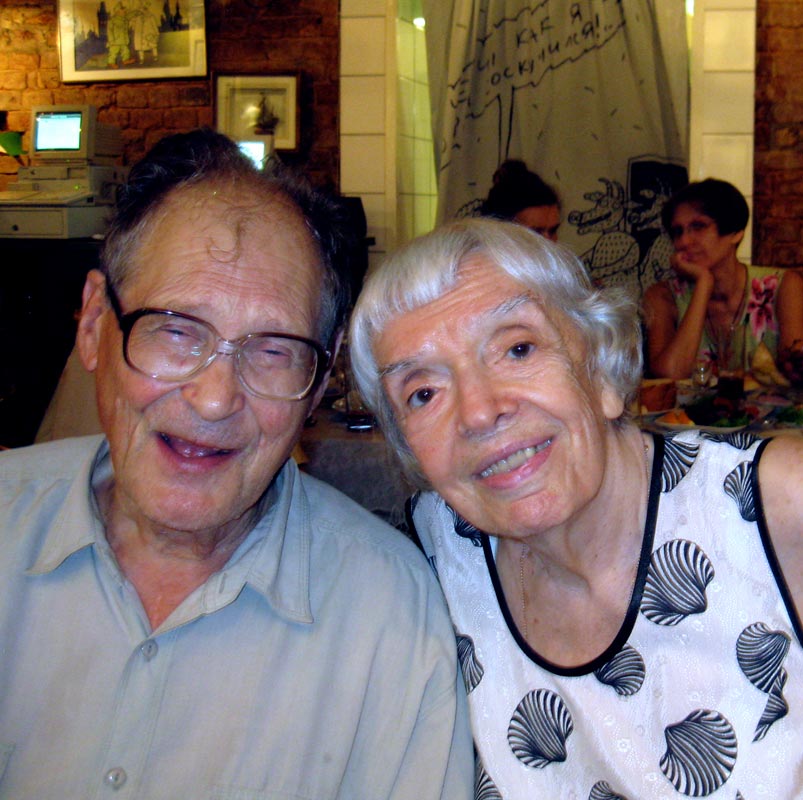
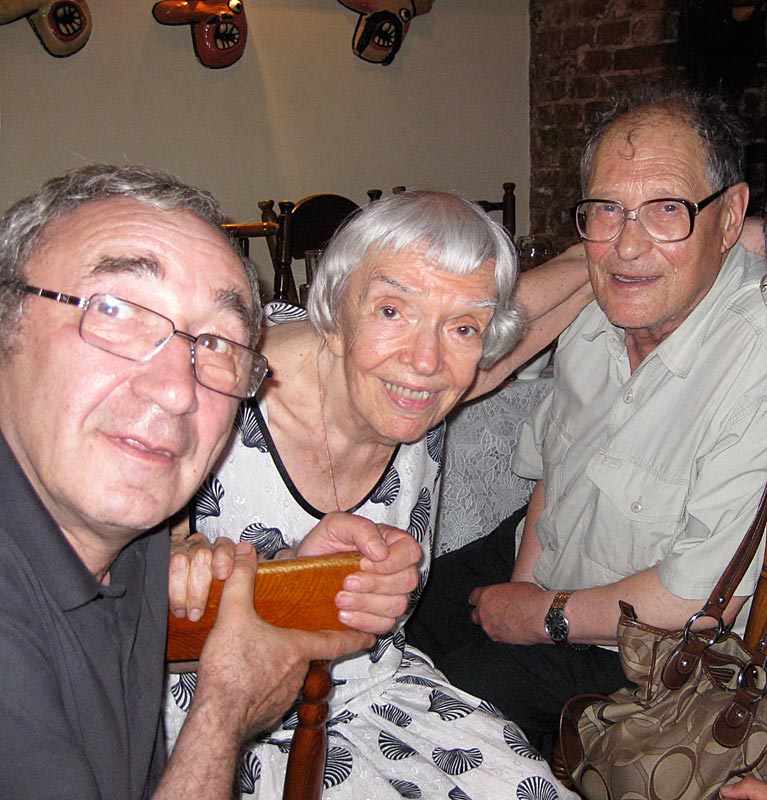
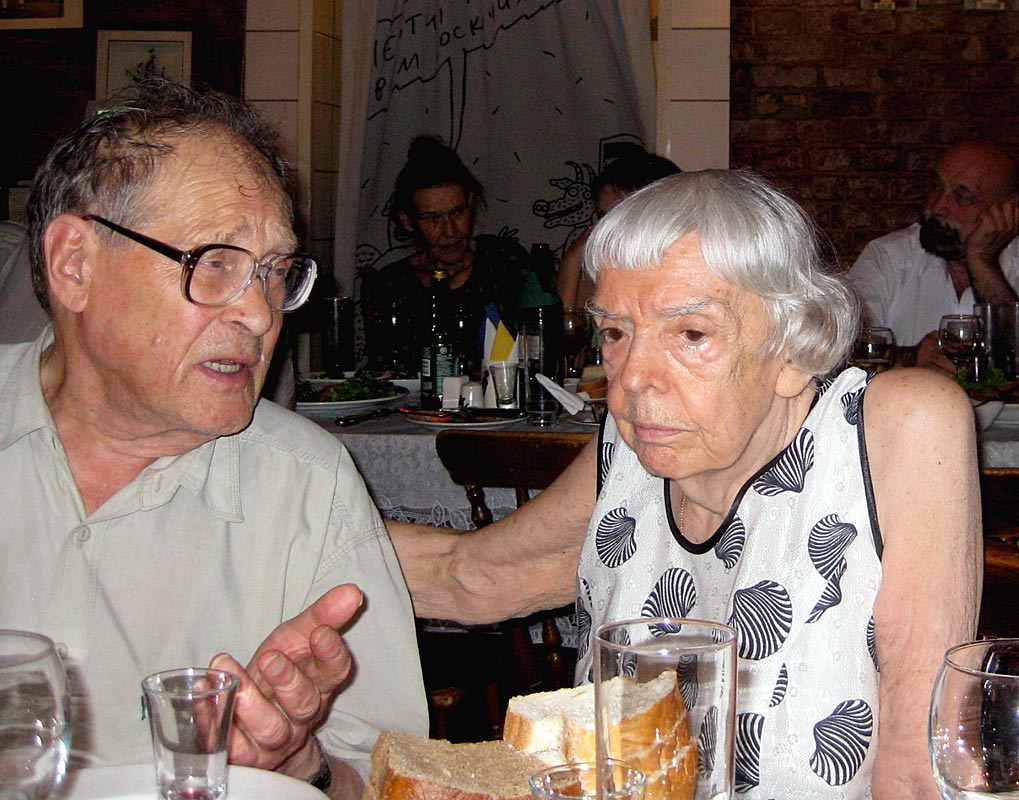
Sergei Kovalev with Alexeyeva, 2011.
Arsenii Roginsky of the Memorial Society with Alexeyeva.


Kovalev and Alexeyeva.


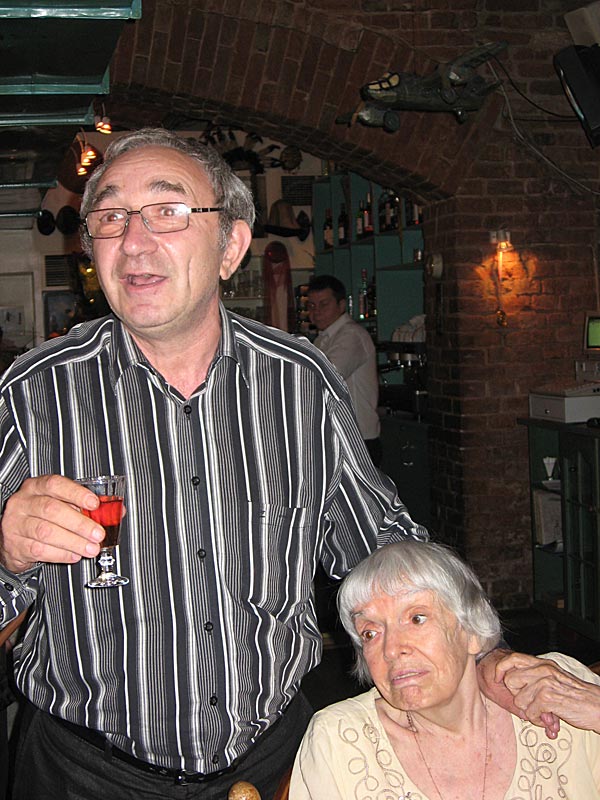
Roginsky toasting Alexeyeva.


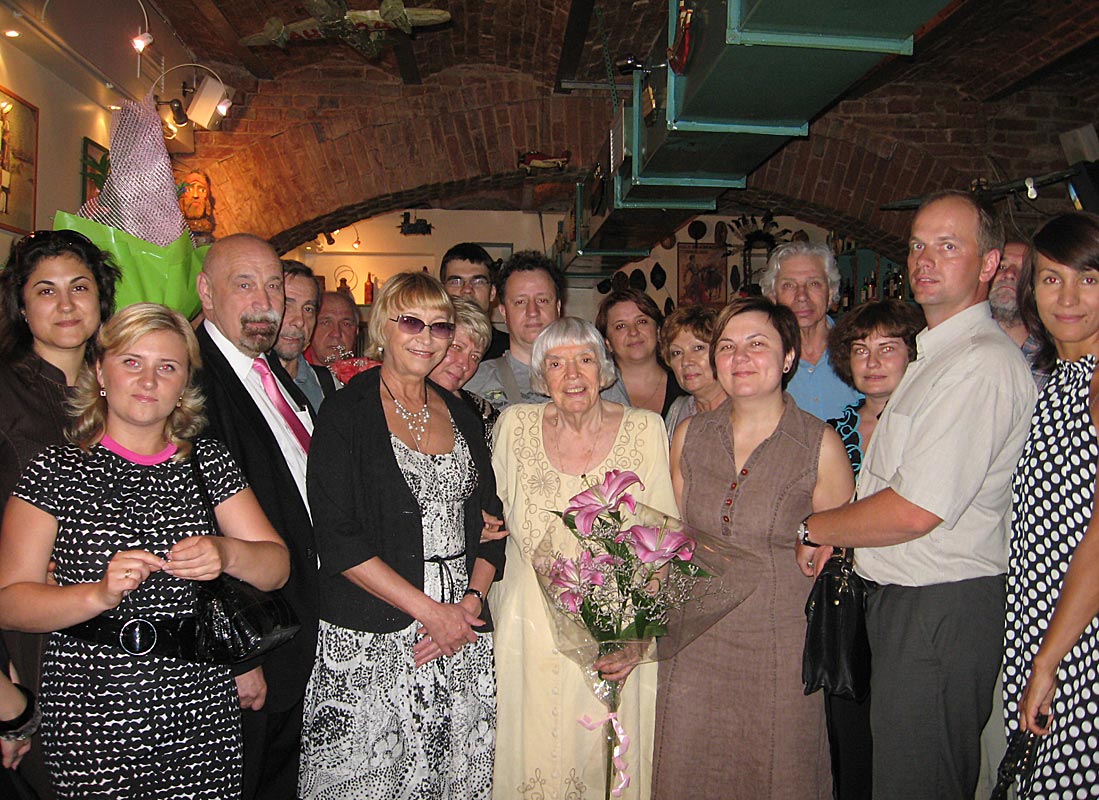
Alexeyeva with colleagues of the Helsinki Group.


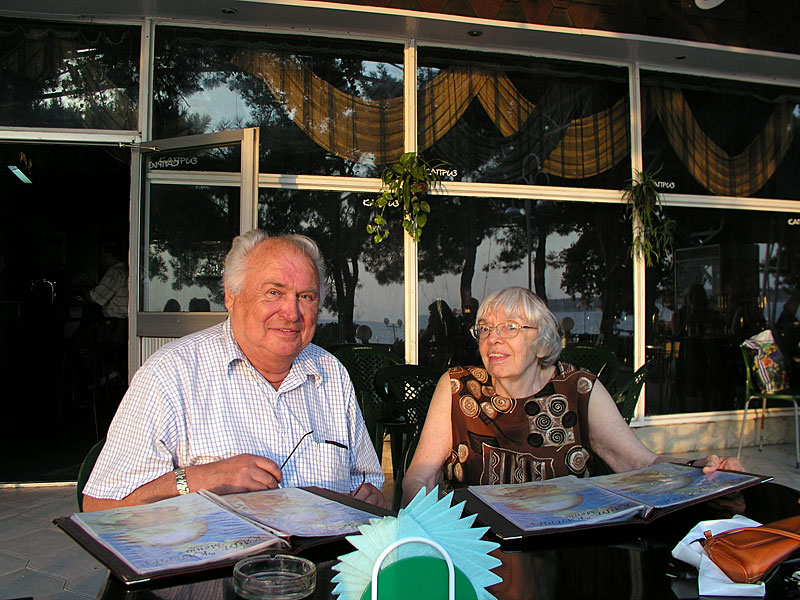
Alexeyeva discussing the Helsinki Final Act with Ambassador Kashlev, one of the Soviet negotiators, at an Archive summer school in Gelendzhik.

Photos by Svetlana Savranskaya.


Related Links


ะ ะพััะธะนัะบะธะต ะŸั€ะพะณั€ะฐะผะผั‹

ะั€ั…ะธะฒะฐ ะะฐั†ะธะพะฝะฐะปัŒะฝะพะน ะ‘ะตะทะพะฟะฐัะฝะพัั‚ะธ

The Moscow Helsinki Group 30th Anniversary
From the Secret Files


Bookmark and Share

Moscow, Russian Federation, July 20, 2012 โ€“ Marking the 85th birthday of Russian human rights legend Lyudmila Alexeyeva, the National Security Archive today published on the Web a digital collection of documents covering Alexeyeva’s brilliant career, from the mid-1970s founding of the Moscow Helsinki Group (which she now heads) to the current challenges posed by the Putin regime’s crackdown on civil society.

Today’s posting includes declassified U.S. documents from the Carter Presidential Library on Soviet dissident movements of the 1970s including the Moscow Helsinki Group, and KGB and Soviet Communist Party Central Committee documents on the surveillance and repression of the Group.

With the generous cooperation of the Memorial Society’s invaluable Archive of the History of Dissent, the posting also features examples of Alexeyeva’s own letters to officials (on behalf of other dissidents) and to friends, her Congressional testimony and reports, scripts she produced for Radio Liberty, and numerous photographs. Also highlighted in today’s publication are multiple media articles by and about Alexeyeva including her analysis of the current attack on human righters in Russia.

As Alexeyeva’s colleagues, friends, and admirers gather today in Moscow to celebrate her 85th birthday, the illustrious history documented in today’s posting will gain a new chapter. The party-goers will not only toast Lyudmila Alexeyeva, but also debate the appropriate responses to the new Putin-inspired requirement that any civil society group receiving any international support should register as a “foreign agent” and undergo frequent “audits.” No doubt Alexeyeva will have something to say worth listening to. She has seen worse.


Biography

Lyudmila Mikhailovna Alexeyeva was born on July 20, 1927 in Yevpatoria, a Black Sea port town in the Crimea (now in Ukraine). Her parents came from modest backgrounds, but both received graduate degrees; her father was an economist and her mother a mathematician. She was a teenager in Moscow during the war, and she attributes her decision to come back and live in Russia after more than a decade of emigration to the attachment to her country and her city formed during those hungry and frozen war years. Alexeyeva originally studied to be an archaeologist, entering Moscow State University in 1945, and graduating with a degree in history in 1950. She received her graduate degree from the Moscow Institute of Economics and Statistics in 1956. She married Valentin Alexeyev in 1945 and had two sons, Sergei and Mikhail. Already in the university she began to question the policies of the regime, and decided not to go to graduate school in the history of the CPSU, which at the time would have guaranteed a successful career in politics.

She did join the Communist Party, hoping to reform it from the inside, but very soon she became involved in publishing, copying and disseminating samizdat with the very first human rights movements in the USSR. In 1959 through 1962 she worked as an editor in the academic publishing house Nauka of the USSR Academy of Sciences. In 1966, she joined friends and fellow samizdat publishers in protesting the imprisonment and unfair trial of two fellow writers, Andrei Sinyavsky and Yuli Daniel. For her involvement with the dissident movement, she lost her job as an editor and was expelled from the Party. Later, in 1970, she found an editorial position at the Institute of Information on Social Sciences, where she worked until her forced emigration in 1977. From 1968 to 1972, she worked as a typist for the first dissident periodical in the USSR, The Chronicle of Current Events.

As the 1960s progressed, Alexeyeva became more and more involved in the emerging human rights movement. Her apartment in Moscow became a meeting place and a storage site for samizdat materials. She built up a large network of friends involved in samizdat and other forms of dissent. Many of her friends were harassed by the police and later arrested. She and her close friends developed a tradition of celebrating incarcerated friends’ birthdays at their relatives’ houses, and they developed a tradition of “toast number two” dedicated to those who were far away. Her apartment was constantly bugged and surveilled by the KGB.


Founding the Moscow Helsinki Group

In the spring of 1976, the physicist Yuri Orlov โ€“ by then an experienced dissident surviving only by his connection to the Armenian Academy of Sciencesโ€“ asked her to meet him in front of the Bolshoi Ballet. These benches infamously served as the primary trysting site in downtown Moscow, thus guaranteeing the two some privacy while they talked. Orlov shared his idea of creating a group that would focus on implementing the human rights protections in the Helsinki Accords โ€“ the 1975 Final Act was published in full in Pravda, and the brilliant idea was simply to hold the Soviet government to the promises it had signed and was blatantly violating.

Orlov had the idea, but he needed someone who could make it happen โ€“ a typist, an editor, a writer, a historian โ€“ Lyudmila Alexeyeva. In May 1976, she became one of the ten founding members of the Moscow Helsinki Group with the formal announcement reported by foreign journalists with some help from Andrei Sakharov, despite KGB disruption efforts. The government started harassment of the group even before it was formally announced, and very quickly, the group became a target for special attention by Yuri Andropov and his organization โ€“ the KGB.

Alexeyeva produced (typed, edited, wrote) many early MHG documents. One of her early โ€“ and characteristically remarkable โ€“ assignments was a fact-finding mission to investigate charges of sexual harassment against a fellow dissident in Lithuania. Several high school boys who would not testify against their teacher were expelled from school. She arranged a meeting with the Lithuanian Minister of Education, who did not know what the Moscow Helsinki Group was but anything from Moscow sounded prestigious enough to command his attention, and convinced him to return the boys to school. It was only when some higher-up called the Minister to explain what the Helsinki Group really was that he reconsidered his decision.

As one of ten original members of the Moscow Helsinki Group, Alexeyeva received even greater scrutiny from the Soviet government, including the KGB. Over the course of 1976, she was under constant surveillance, including phone taps and tails in public. She had her apartment searched by the KGB and many of her samizdat materials confiscated. In early February 1977, KGB agents burst into her apartment searching for Yuri Orlov, saying “We’re looking for someone who thinks like you do.” A few days later, she and her second husband, the mathematician Nikolai Williams, were forced to leave the Soviet Union under the threat of arrest. Her departure was very painful โ€“ she was convinced that she would never be able to return, and her youngest son had to stay behind.


Alexeyeva in Exile

Alexeyeva briefly stopped over in the UK, where she participated in human rights protests, before she eventually settled in northern Virginia, and became the Moscow Helsinki Group spokesperson in the United States. She testified before the U.S. Congressional Helsinki Commission, worked with NGOs such as the International Helsinki Federation, wrote reports on the CSCE conferences in Belgrade, Madrid and Vienna, which she attended, and became actively involved in the issue of political abuse of psychiatry in the USSR.

She soon met her best-friend-to-be, Larisa Silnicky of Radio Liberty (formerly from Odessa and Prague), who had founded the prominent dissident journal Problems of Eastern Europe, with her husband, Frantisek Silnicky. Alexeyeva started working for the journal as an editor in 1981 (initially an unpaid volunteer!). Meanwhile, she returned to her original calling as a historian and wrote the single most important volume on the movements of which she had been such a key participant. Her book, Soviet Dissent: Contemporary Movements for National, Religious and Human Rights, which was published in the United States in 1984 by Wesleyan University Press, remains the indispensable source on Soviet dissent.

The book was not the only evidence of the way Alexeyeva’s talents blossomed in an atmosphere where she could engage in serious research without constant fear of searches and arrest. She worked for Voice of America and for Radio Liberty during the 1980s covering a wide range of issues in her broadcasts, especially in the programs “Neformalam o Neformalakh” and “Novye dvizheniya, novye lyudi,” which she produced together with Larisa Silnicky. These and other programs that she produced for the RL were based mainly on samizdat materials that she was getting though dissident channels, and taken together they provide a real encyclopedia of developments in Soviet society in the 1980s. The depth and perceptiveness of her analysis are astounding, especially given the fact that she was writing her scripts from Washington. Other U.S. institutions ranging from the State Department to the AFL-CIO Free Trade Union Institute also asked her for analyses of the Gorbachev changes in the USSR, among other subjects. In the late 1980s-early 1990s, she was especially interested in new labor movements in the Soviet Union, hoping that a Solidarity-type organization could emerge to replace the old communist labor unions.


Back in the USSR

The Moscow Helsinki Group had to be disbanded in 1982 after a campaign of persecution that left only three members free within the Soviet Union. When the Group was finally reestablished in 1989 by Larisa Bogoraz, Alexeyeva was quick to rejoin it from afar, and she never stopped speaking out. She had longed to return to Russia, but thought it would never be possible. She first came back to the USSR in May 1990 (after being denied a visa six times previously by the Soviet authorities) with a group of the International Helsinki Federation members to investigate if conditions were appropriate for convening a conference on the “human dimension” of the Helsinki process. She also attended the subsequent November 1991 official CSCE human rights conference in Moscow, where the human righters could see the end of the Soviet Union just weeks away. She was an early supporter of the idea of convening the conference in Moscow โ€“ in order to use it as leverage to make the Soviet government fulfill its obligations โ€“ while many Western governments and Helsinki groups were skeptical about holding the conference in the Soviet capital.

In 1992-1993 she made numerous trips to Russia, spending more time there than in the United States. She and her husband Nikolai Williams returned to Russia to stay in 1993, where she resumed her constant activism despite having reached retirement age. She became chair of the new Moscow Helsinki Group in 1996, only 20 years after she and Yuri Orlov discussed the idea and first made it happen; and in that spirit, in the 1990s, she facilitated several new human rights groups throughout Russia.

When Vladimir Putin became president in 2000, Lyudmila Alexeyeva agreed to become part of a formal committee that would advise him on the state of human rights in Russia, while continuing her protest activities. The two did not go well together in Putin’s mind, and soon she was under as much suspicion as ever. By this time, though, her legacy as a lifelong dissident was so outsized that it was harder to persecute her. Even state-controlled television felt compelled to give her air-time on occasion, and she used her standing as a human rights legend to bring public attention to abuses ranging from the mass atrocities in the Chechen wars to the abominable conditions in Russian prisons.

When the Moscow Helsinki Group celebrated its 30th anniversary in 2006, with Lyudmila Alexeyeva presiding, Yuri Orlov came back from his physics professorship at Cornell University to join her on stage. Also paying tribute were dozens of present and former public officials from the rank of ex-Prime Minister on down, as well the whole range of opposition politicians and non-governmental activists, for whom she served as the unique convenor and den mother.


The Challenge in Russia Today

In 2009, Alexeyeva became an organizer of Strategy 31, the campaign to hold peaceful protests on the 31st of every month that has a 31st, in support of Article 31 of the Russian constitution, which guarantees freedom of assembly. Everyone remembers the protest on December 31, 2009, when Lyudmila Alexeyeva went dressed as the Snow Maiden (Snegurochka in the fairy tales) where dozens of other people were also arrested. But when officials realized they had the Lyudmila Alexeyeva in custody, they returned to the bus where she was being held, personally apologized for the inconvenience and offered her immediate release from custody. She refused until all were released. The video and photographs of the authorities arresting the Snow Maiden and then apologizing went viral on the Internet and made broadcast news all over the world. The “31st” protests have ended in arrests multiple times, but that has yet to deter the protesters, who provided a key spark for the mass protests in December 2011.

The darker side of the authorities’ attitude was evident in March 2010, when she was assaulted at the Park Kultury metro station where she was paying her respects to the victims of the subway bombings a few days earlier. She had been vilified by the state media so often that the attacker called himself a “Russian patriot” and asserted (correctly, so far) that he would not be charged for his actions.

In 2012, the chauvinistic assault became institutional and government-wide, with a new law proposed by the Putin regime and approved by the Duma, requiring any organization that received support from abroad to register as a “foreign agent” and submit to multiple audits by the authorities. The intent was clearly to stigmatize NGOs like the Moscow Helsinki Group that have international standing and raise money from around the world. Earlier this month, Lyudmila Alexeyeva announced that the Group would not register as a foreign agent and would no longer accept foreign support once the law goes into effect in November 2012.

Other Russian human righters say they are used to being tagged as foreign agents. In fact, humorous signs appeared at the mass protests in late 2011 asking the U.S. Secretary of State, Hillary Rodham Clinton, “Hillary! Where’s my check? I never got my money!” So the debate over strategy, over how best to deal with and to push back against the new repression, will likely dominate the conversation at Lyudmila Mikhailovna’s 85th birthday party today (July 20). Yet again, when she is one of the few original Soviet dissidents still alive, she is at the center of the storm, committed to freedom in Russia today, and leading the discussion about how to achieve human rights for all.


Documents

Document 1: Lyudmila Alexeyeva, “Biography,” November 1977.

This modest biographical note presents Alexeyeva’s own summary of her life as of the year she went into exile. She prepared this note as part of her presentation to the International Sakharov Hearing in Rome, Italy, on 26 November 1977, which was the second in a series named after the distinguished Soviet physicist and activist (the first was in Copenhagen in 1975) that brought together scholars, analysts and dissidents in exile to discuss human rights in the Soviet bloc.

[Source: Memorial Society, Moscow, Archive of History of Dissent, Fond 101, opis 1, Box 2-3-6]

Document 2: Lyudmila Alexeyeva to Senator Jacob K. Javits, 4 July, 1975.

Even before she co-founded the Moscow Helsinki Group, Lyudmila Alexeyeva actively worked to defend dissidents and political prisoners in the USSR. In this 1975 letter preserved in the Archive of the History of Dissent, the irreplaceable collections of the Memorial Society in Moscow, she is writing from Moscow to a prominent U.S. Senator, Jacob Javits, a Republican from New York and himself Jewish, who was outspoken in supporting not only the right of Jews to emigrate from the USSR to Israel, but also the Soviet dissident cause in general. The case she presents to Javits is that of Anatoly Marchenko, who asked for political emigration (not to Israel) and as punishment was sent to Siberia for four years’ exile โ€“ on top of the 11 years he had already spent as a political prisoner on trumped-up charges. Tragically, Marchenko would die in prison in the fall of 1986, just as Gorbachev began releasing the political prisoners.

[Source: Memorial Society, Moscow, Archive of History of Dissent, Fond 101, opis 1, Box 2-3-6]

Document 3: Yuri Andropov, Chairman of the KGB, Memorandum to the Politburo, 29 December, 1975.

Yuri Andropov gives the Politburo an alarming report on dissent in the USSR in connection with criticism of Soviet human rights abuses by the French and Italian Communist parties. The main thrust of Andropov’ report is how to keep the internal opposition in check in the aftermath of the signing of the Helsinki agreement and the following increase of international pressure on the USSR. He gives the number of political prisoners as 860, people who received the “prophylactic treatment” in 1971-74 as 63,108 and states that there are many more “hostile elements” in the country, and that “these people number in the hundreds of thousands.” Andropov concluded that the authorities would have to continue to persecute and jail the dissidents notwithstanding the foreign attention. This document sets the stage and gives a good preview of what would happen after the Moscow Helsinki Group was founded in May 1976.

[Source: U.S. Library of Congress, Manuscript Division, Dmitrii A. Volkogonov Papers, Reel 18, Container 28]

Document 4: Moscow Helsinki Monitoring Group, “Evaluation of the Influence of the Conference on Security and Co-operation in Europe on the Quality of Human Rights in the U.S.S.R.,” 1 August 1975-1 August 1976. (Summary of the document)

This document was written during a time of relative calm, when surprisingly, for the first six months of the existence of the MHG, the authorities did not undertake any repressions against members of the group, and allowed it to function. The document sounds more positive and optimistic than the group’s subsequent assessments of the effect of the Helsinki Accords. The report points out that the Soviet government was sensitive to pressure from foreign governments and groups and that several other objective factors such as the end of the war in Vietnam and increasing Soviet grain purchases made the USSR more open to external influences. Under such pressure, the Soviet government released the mathematician Leonid Plyusch, allowed some refuseniks to emigrate and generally relaxed the restrictions somewhat. The report also lists continuing violations of human rights but concludes that the Helskinki Accords did and probably would play a positive role. [See the Russian page for the original]

[Source: Memorial Society, Moscow, Archive of History of Dissent, Fond 101, opis 1, Box 2-3-6]

Document 5: KGB Memorandum to the CC CPSU, “About the Hostile Actions of the So-called Group for Assistance of Implementation of the Helsinki Agreements in the USSR,” 15 November 1976.

The KGB informed the Politburo about the activities of the MHG for the first time six months after its founding. The report gives a brief history of the human rights movement in the USSR as seen from the KGB. Andropov names each founding member of the group and charges the group with efforts to put the Soviet sincerity in implementing the Helsinki Accords in doubt. The document also alleges MHG efforts to receive official recognition from the United States and reports on its connections with the American embassy.

[Source: U.S. Library of Congress, Manuscript Division, Dmitrii A. Volkogonov Papers, Reel 18, Container 28]

Document 6: Helsinki Monitoring Group, “Special Notice,” 2 December, 1976.

This notice, one of a series by the MHG publicizing official misconduct, testifies to the increasing harassment of members of the group by the KGB. This time it is the son of Malva Landa who has been warned that he might lose his job.   The document is signed by Alexeyeva, Orlov and other leading MHG members.

[Source: Memorial Society, Moscow, Archive of History of Dissent, Fond 101, opis 1, Box 2-3-6]

Document 7: KGB Memorandum to the CC CPSU, “On the Provocative Demonstration by Antisocial Elements on Pushkin Square in Moscow and at the Pushkin Monument in Leningrad,” 6 December, 1976.

This KGB report informs the Politburo about silent rallies in Moscow and Leningrad to celebrate Constitution Day by dissidents including members of the MHG. Nobody was arrested.

[Source: U.S. Library of Congress, Manuscript Division, Dmitrii A. Volkogonov Papers, Reel 16, Container 24]

Document 8: Moscow Helsinki Monitoring Group, “On the Exclusion of Seven Students From the Vienuolis Middle School (Vilnius),” 8 December, 1976.

This is a report of the first fact-finding mission undertaken by Lyudmila Alexeyeva with Lithuanian human rights activist and member of the Helsinki Group Thomas Ventslov to investigate charges of sexual harassment against a member of the Lithuanian Helsinki Group Viktoras Petkus. Seven boys were expelled from the school and pressured by the KGB to say that they had spent time at Petkus’ apartment, where he engaged in illegal activities with them. The boys’ families were told that they were expelled on the basis of a school board decision that the parents were not allowed to see. The report concludes that the KGB was behind the charges and that the only reason for the expulsions was the refusal of the boys to give false testimony against their teacher. Alexeyeva met with the Lithuanian Minister of Education to discuss the situation, and he initially agreed to remedy it but then changed his mind upon finding out who his visitor was.

[Source: Memorial Society, Moscow, Archive of History of Dissent, Fond 101, opis 1, Box 2-3-6]

Document 9: Memo from Andropov to CC CPSU, “About Measures to End the Hostile Activity of Members of the So-called โ€œGroup for Assistance in the Implementation of the Helsinki Agreements in the USSR,” 5 January, 1977.

After the two informational reports above, the KGB started to get serious about terminating the activities of the MHG. This report charges that the group was capable of inflicting serious damage to Soviet interests, that in recent months group members have stepped up their subversive activities, especially through the dissemination of samizdat documents (and particularly the MHG reports), undermining Soviet claims to be implementing the Helsinki Final Act. The Procuracy would later develop measures to put an end to these activities.

[Source: U.S. Library of Congress, Manuscript Division, Dmitrii A. Volkogonov Papers, Reel 18, Container 28]

Document 10: Resolution of Secretariat of CC of CPSU, “On Measures for the Curtailment of the Criminal Activities of Orlov, Ginsburg, Rudenko and Ventslova,” 20 January, 1977.

Following the recommendations of the KGB report above, and another report submitted by Andropov on January 20, the CC CPSU Secretariat decides to “intercept and curtail the activities” of Orlov, Ginzburg, Rudenko and Ventslov of the MHG, Ukrainian and Lithuanian Helsinki groups. All four would be arrested soon after the resolution.

[Source: The Bukovsky Archive, Soviet Archives at INFO-RUSS http://psi.ece.jhu.edu/~kaplan/IRUSS/BUK/GBARC/buk.html, Folder 3.2]

Document 11: Extract from CC CPSU Politburo Meeting, “About the Instructions to the Soviet Ambassador in Washington for His Conversation with Vance on the Question of “Human Rights,” 18 February, 1977.

After Orlov and Ginzburg are arrested and Lyudmila Alexeyeva goes into exile, and anticipating the visit of U.S. Secretary of State Cyrus Vance to Moscow in March, the Politburo discusses a rebuff to the Carter administration on human rights issues. Ambassador Anatoly Dobrynin is instructed to meet with Vance and inform him of Soviet “bewilderment” regarding Carter administration attempts to raise the issue of Ginsburgโ€™s arrest. Dobrynin should explain to administration officials that human rights is not an issue of inter-state relations but an internal matter in which the United States should not interfere.

[Source: TsKhSD (Central Archive of Contemporary Documents) Fond 89, Opis list 25, Document 44]

Document 12: “Dignity or Death: How they Plant Dirty Pictures and Dollars on Men Who Fight for Freedom,” The Daily Mail, London, 21 March, 1977, by Lyudmila Alexeyeva and Nicholas Bethell.

Documents 12-16 comprise a series of articles in the Western media printed soon after Lyudmila Alexeyeva’s emigration from the USSR. In interviews she described the deteriorating human rights situation in the Soviet Union, including the increased repression and arrests of Helsinki groups members in Russia, Ukraine, Lithuania and Georgia, and calls on the West to put pressure on the Soviet government to comply with the Helsinki Accords.

Document 13: “Dignity or Death: My Phone was Dead and All Night the KGB Waited Silently at My Door,” The Daily Mail, London, 22 March, 1977, by Lyudmila Alexeyeva and Nicholas Bethell.

Document 14: “Why Brezhnev Must Never be Believed,” The Daily Mail, London, 23 March, 1977, by Lyudmila Alexeyeva and Nicholas Bethell.

Document 15: “Soviet Human Rights from Mrs. Lyudmila Alexeyeva and others,” The Times, London, 26 April, 1977, by Lyudmila Alexeyeva, Andrey Amalrik, Vadimir Bukovsky.

Document 16: “Soviet Dissidents on the Run,” The Washington Post, 2 June, 1977, by Joseph Kraft.

Document 17: “Basket III: Implementation of the Helsinki Accords,” Hearings before the Commission on Security and Cooperation in Europe; Ninety-Fifth Congress, First Session; on the Implementation of the Helsinki Accords; Volume IV: Soviet Helsinki Watch Reports on Repression June 3, 1977; U.S. Policy and the Belgrade Conference, 6 June, 1977.

Document 18: National Security Council, Global Issues [staff], to Zbigniew Brzezinski, U.S. National Security Advisor, “Evening Report,” June 7, 1977.

This report to their boss by the staff of the Global Issues directorate of the National Security Council on their daily activities includes a remarkable initial paragraph describing internal U.S. government discussions of the Moscow Helsinki Group (called here “the Orlov Committee”). Staffer Jessica Tuchman says a State Department-hosted group of experts all agreed that “the hidden bombshell in the whole human rights debate with the USSR” was the fact that the nationalist movements in the Soviet Union all saw human rights activism as just the “first step” to autonomy – thus the real threat to the Soviet government.

[Source: Carter Presidential Library, FOIA case NLC 10-3-2-7-8, 2008]

Document 19: Central Intelligence Agency, “The Evolution of Soviet Reaction to Dissent,” 15 July, 1977.

This document traces the Soviet government’s response to dissident activity especially in light of their agreement to the human rights provisions outlined in Basket III of the Helsinki Accords. The CIA notes that the Soviet Union signed the accords assuming it would not result in an increase in internal opposition, but that instead the Basket III provisions have provided a rallying point for dissent. It also suggests that internal protests sparked by food shortages and open criticism of the Eurocommunists, including the French and Spanish communist parties, are further causes for the current Soviet crackdown on the opposition. It also mentions political unrest in Eastern Europe and the Unites States new human rights campaign, which has prompted dissidents to make their appeals directly to the U.S. government as reasons for Soviet anxiety. Next, it outlines the Soviet government’s much harsher measures against dissidents in the wake of the Helsinki Accords. These include arrests of members of the Helsinki group, cutting off Western access, and accusing dissidents of espionage. Further, it concludes that the Soviet government’s increased apparent anxiety over dissent is the result of a variety of factors, including the approach of the Belgrade conference and their general fears of increased Western contact leading to discontent and a variety of social vices.

[Source: The Carter Presidential Library]

Document 20: American Embassy Belgrade to Cyrus Vance, Secretary of State, Text of Speech Given by Ambassador Arthur Goldberg at the Belgrade Conference on Security and Co-operation in Europe Meeting, November 1977 (excerpt).

This text, the second half of the U.S. Embassy Belgrade cable reporting the speech made by U.S. ambassador Arthur Goldberg to the Belgrade review conference, specifically raises the cases of Orlov, Scharansky and Ginsberg – three of the founding members, with Alexeyeva, of the Moscow Helsinki Group – in the face of major objections from the Soviet delegation, and no small amount of disquiet from other diplomats present. While considered “timid” by the outside human righters like Alexeyeva, this initiative by the U.S. delegation created a breakthrough of sorts that would heighten the human rights dialogue at upcoming Helsinki review conferences and in the media.

[Source: The Carter Presidential Library]

Document 21: Secretary of State, to American Embassy Moscow, “Statement on Orlov,” 18 May, 1978.

This public statement from the State Deparment’s noon press briefing, sent by cable to the U.S. Embassy Moscow and Consulate Leningrad, uses the strongest language to date on the Orlov case, no doubt informed by Alexeyeva and other Orlov colleagues in exile. Here, the U.S. “strongly deplores” Orlov’s conviction and calls it a “gross distortion of internationally accepted standards,” since the activities for which he was being punished were simply the monitoring of Soviet performance under the Helsinki Final Act.

[Source: The Carter Presidential Library]

Document 22: Joseph Aragon, to Hamilton Jordan, “Carter on Human Rights,” 7 July, 1978.

This memorandum from White House staff member Joe Aragon to the president’s chief of staff, Hamilton Jordan, discusses the Soviet Union’s treatment of dissidents, as monitored by another White House staffer, Joyce Starr. Aragon notes that the overall Soviet campaign against dissidents continues despite Carter’s forceful public stance on human rights. He notes that if anything dissidents have become further shut out of Soviet society since Carter came to office. He specifically mentions the Helsinki group, and Slepak, Orlov, Scharansky, Nadel and Ginzburg as dissidents in need of United States help. He goes in depth into the Slepak case and the state of his family, characterizing Slepak as the Soviet equivalent of a Martin Luther King Jr. However, he writes that the administration so far has made public statements in support of the dissidents, but failed to act on the diplomatic level. Aragon concludes that Carter cares deeply about human rights, but that his reputation is at risk due to the failure of low-level officials to follow through the initiatives outlined in the Helsinki Final Act. Aragon calls for a meeting in which he and other will discuss a course of action for the president.

[Source: The Carter Presidential Library]

Document 23: Central Intelligence Agency, “Human Rights Review,” 18-31 August, 1978.

This document contains a general overview of human rights throughout the world, but begins with a discussion of the condition of dissidents in the Soviet Union and Eastern Europe. It notes that the most recent dissident activity has been in their statements of support for the Czech Charter 77 dissident movement. It also discusses the Soviet Union’s fear of East European and Soviet dissidents forming a united front of opposition. It also mentions an incident in which dissident Aleksandr Lyapin attempted to commit suicide by self-immolation in protest of Helsinki group leader Yuri Orlov’s court sentence, and that he has since been confined to a mental institution.

[Source: The Carter Presidential Library]

Document 24: Senator Henry M. Jackson, Remarks at the Coalition for a Democratic Majority Human Rights Dinner, September 30, 1978.

Document 25: “Basket III: Implementation of the Helsinki Accords,” Hearings before the Commission on Security and Cooperation in Europe; Ninety-Fifth Congress, First Session; on the Implementation of the Helsinki Accords; Volume X: Aleksandr Ginzburg on the Human Rights Situation in the U.S.S.R., 11 May, 1979.

Document 26: “A Helsinki Clue to Moscow’s Salt II Intentions,” The New York Times, June 18, 1979, by Lyudmila Alexeyeva, Aleksandr Ginzberg, Petr Grigorenko, Yuri Mnyukh, and Valentin Turchin.

Document 27: Jimmy Carter and Cyrus Vance, “Major Executive Statements on Behalf of Anatoliy Scharanskiy,” 16 July, 1979.

Document 28: Peter Tarnoff, Department of State, to Zbigniew Brzezinski, “U.S. Government Initiatives on Behalf of Human Rights in the U.S.S.R.” 17 April, 1980.

This memorandum from State Department Executive Secretary Peter Tarnoff to Zbigniew Brzezinski contains a list of actions and statements by the U.S. government on human rights and protection of dissidents in the USSR. The list covers the years 1977 through 1980. The actions include reports on the Soviet Union’s implementation of the human rights provisions of the Helsinki Final Act, as well as discussions of these matters at international conferences. Another area of action has to do with investigating denials of exit visas to Jews and prisoners of conscience attempting to leave the Soviet Union. It also comprises various efforts to help imprisoned dissidents by sending observers to attend their trials and providing special aid to some families, including the Ginzburg/Shibayev and Sakharov/Yankelevich families. The document also includes a list of Carter’s addresses in which he voices concerns over human rights or the treatment of Soviet dissidents.

Document 29: Helsinki Monitoring Group [members of the Moscow Helsinki group in exile], “On the Madrid Conference on Security and Co-operation in Europe,” c. summer 1980.

These recommendations were prepared by members of Helsinki groups in exile before the Madrid review conference of November 1980. The dissidents call the efforts of Western delegations at the earlier Belgrade conference “timid” and chide the lack of pressure on Moscow to observe the human rights provisions of the Helsinki Accords. The report describes the worsening human rights situation in the USSR after the Belgrade conference of 1977-78, arrests of the Helsinki Group members, persecution of religious believers, and restrictions on emigration. Recommendations include that the Madrid conference delegates demand that political prisoners, including Helsinki group members, be released, and that an international commission be created consisting of representatives of member-states to keep the pressure on the Soviets between the review conferences. Similar concerns, the report indicates, were raised by the MHG in its recommendations for the Belgrade conference in 1977.

Document 30: Lyudmila Alexeyeva, letter to friends in Moscow, undated, circa summer 1984.

This extraordinary personal letter provides a unique vista of Alexeyeva’s life in exile and her thinking about dissent. Here she describes how she found her calling as a historian (a “personal harbor” which is essential for enduring exile), came to write the book on Soviet dissent, and struggled to reform the radios (Liberty, Free Europe, Voice of America) against the nationalist-authoritarian messages provided from “Vermont and Paris” – meaning Aleksandr Solzhenitsyn and Vladimir Bukovsky, respectively – or, the Bolsheviks versus her own Mensheviks within the dissident movement, in her striking analogy. Also here are the personal details, the open window in the woods for the cats, the ruminations on the very process of writing letters (like cleaning house, do it regularly and it comes easily, otherwise it’s never done or only with great difficulty). Here she pleads for activation as opposed to liquidation of the Helsinki Groups, because “we have nothing else to replace them.”

[Source: Memorial Society, Moscow, Archive of History of Dissent, Fond 101, opis 1, Box 2-3-6]

Document 31: Liudmila Alexeyeva, edited by Yuri Orlov, Documents and People, “What Gorbachev took from samizdat.”

In this draft script prepared for a Radio Liberty show in 1987 together with Yuri Orlov, Alexeyeva traces the roots of Gorbachev’s new thinking to samizdat materials as far back as the 1960s. She finds an amazing continuity in terms of ideals and goals, especially in foreign policy-thinking about the primacy of human rights and an interdependent world.

[Source: Memorial Society, Moscow, Archive of History of Dissent, Fond 101, opis 1, Box 2-3-2]

Document 32: Lyudmila Alexeyeva’s handwritten draft paper on informal associations in the USSR.

This unique handwritten draft written for Alexeyeva on the emergence of informal organizations โ€“ the first NGOs โ€“ in the Soviet Union. The draft is undated but was most likely written in 1990 or early 1991. The main question is whether Gorbachev will stay in power and therefore whether the changes he brought about will stick. She sees the importance of informal organizations in reviving civil society in the Soviet Union and creating conditions for democratization.

[Source: Memorial Society, Moscow, Archive of History of Dissent, Fond 101, opis 1, Box 2-3-2]

Document 33: Lyudmila Alexeyeva, Trip to Nizhny Novgorod, 9 November, 1992.

Lyudmila Alexeyeva visited Nizhny Novgorod on August 29, 1992, and met with members of Dialogue Club and the independent trade union at the ship-building plant Krasnoe Sormovo. Semen Bulatkin, her main contact, talked to her about the political club they founded at the plant, whose outside member was governor Boris Nemtsov, and the difficulties of organizing a free trade union there. The independent trade union was founded in February 1992, with an initial membership of about 250-300 people. Two weeks later, threatened by the plantโ€™s administration with the loss of jobs or social benefits, membership declined to 157. Alexeyeva also met with Governor Nemtsov โ€“ a radical reformer and close supporter of President Boris Yeltsin โ€“ who told her he had read her book on Soviet dissent and was an active listener of Radio Liberty.

[Source: Memorial Society, Moscow, Archive of History of Dissent, Fond 101, opis 1, Box 2-3-2]

Document 34: Lyudmila Alexeyeva, Trip to Moscow Report, 10-20 December, 1992.

Alexeyeva visited Russia in December 1992, just a year after the Soviet collapse, at the behest of the AFL-CIO Free Trade Union Institute, which had been a key international backer of Solidarity in Poland and sought to support similar independent union development in post-Soviet Russia. Alexeyeva’s trip report does not provide much cause for optimism. In it, she describes democratic reformersโ€™ complaints about President Yeltsin and the lack of alternative progressive leadership; the resistance to change by older Party-dominated union structures; the lack of access to television by new, more democratic unions to make their case; and the effective transformation of Communist Party elites into quasi-capitalist owners and managers of the means of production โ€“ not because they are true reformers or effective producers, but because they know how to boss. Dozens of intriguing details and provocative conversation summaries fill the report, including a newspaper story alleging that Yeltsin was now privatizing his own appointment schedule with an outside company, selling access at $30,000 per meeting.

[Source: Memorial Society, Moscow, Archive of History of Dissent, Fond 101, opis 1, Box 2-3-2]

Putin’s War: Riveting Raw Footage from the Front Lines – Video

Become a Patron!
True Information is the most valuable resource and we ask you to give back.


Front line footage from Ukraine as brave civilians stand up to tanks and gunfire. Warning! Some footage can be disturbing!

Putin’s World War IIII started already in Ukraine – more to come

Become a Patron!
True Information is the most valuable resource and we ask you to give back.


Anatoly S. Chernyaev Diary, 1974 – Ideological Superpower with Empty Stores

Become a Patron!
True Information is the most valuable resource and we ask you to give back.


Washington, DC, May 25, 2014 โ€“ Today the National Security Archive is publishing โ€” for the first time in English โ€” excerpts from the diary of Anatoly S. Chernyaev covering the year 1974, along with edits and a postscript by the author. This is the ninth set of extracts the Archive has posted covering selected critical years from the 1970s through 1991 (see links at left).

Anatoly Chernyaev, the deputy head of the International Department of the Central Committee (and later the senior foreign policy aide to Mikhail Gorbachev), started keeping a systematic diary in 1972, in which he recorded the highlights (and low points) of his work at the International Department, his attendance at Politburo meetings, participation in speech โ€” and report โ€” writing sessions at state dachas, as well as his philosophical reflections on daily life in the Soviet Union from the point of view of a high-level Soviet apparatchik.

Today, Anatoly Sergeyevich remains a champion of glasnost, sharing his notes, documents and first-hand insights with scholars seeking a view into the inner workings of the Soviet government, the peaceful end of the Cold War and the dissolution of the Soviet Union. In 2004, he donated the originals of his detailed diaries, covering the years 1972 through 1991, to the National Security Archive in order to ensure permanent public access to this record – beyond the reach of political uncertainties in contemporary Russia.

In his diary for 1974, Chernyaev continues to write about his work in one of the Central Committee’s key departments, documenting and reflecting on the preparations for the European Conference of Communist Parties, relations within the international Communist movement, the revolutions in Chile and Portugal, the crisis in the Middle East and the ongoing Conference on Security and Cooperation in Europe (CSCE) negotiations that would lead to the Helsinki Final Act the following year. The year 1974 brings about the resignation of President Richard Nixon, who in the three previous years has been Soviet leader Leonid Brezhnev’s respected partner in dรฉtente.

On the domestic front, Chernyaev follows the internal dynamics of Brezhnev’s leadership and the concentration of power in the General Secretary’s hands. On several occasions in 1974, Chernyaev provides a fascinating glimpse of the personal struggle that his boss, International Department head Boris Nikolayevich Ponomarev, experiences in connection with Brezhnev’s growing cult of personality; and illustrates Ponomarev’s own smaller personality cult. The little details of everyday Soviet politics โ€” such as worrying about how many times to include the General Secretary’s name in a report โ€” show the progression of the cult and the internal mechanisms of Soviet bureaucracy under a microscope.

The theme of ideology is a leitmotif for Chernyaev in 1974. A deep thinker, Chernyaev constantly analyzes the trends he observes in the leadership, in the apparatus, and in Soviet society. In 1974, the author is attempting to reconcile the bureaucratic reality of the ossifying Soviet apparatus with the fact that ideology is still a major part of the Soviet Union’s identity. The ideology of class struggle is an obstacle to Brezhnev’s dรฉtente and the CSCE negotiations, and yet Chernyaev sees that the Soviet Union cannot afford to back down ideologically: “Europe is a case in point. We already have dรฉtente and security in Europe. But in response they launched a counterattack. They demand an ideological dรฉtente. This is unthinkable for us.”

Chernyaev notes that the Soviet Union is “an ideological superpower” and thus it needs ideology to maintain its following and sustain its domestic and international legitimacy. This role as an ideological hegemon is exemplified in the diary by Chernyaev’s descriptions of financial support the Communist Party of the Soviet Union (CPSU) provides to other fraternal parties, which come to Moscow as supplicants.

The subject of European Communist parties and the international Communist movement is at the core of Chernyaev’s work in 1974. The USSR’s dominance as an ideological authority is eroding as European Communists and Socialists look to establish independence from Soviet influence. At the same time, Chernyaev realizes that “the real work that Brezhnev does every day will push us to tone down our ideology above all in our international relations. And our connection to the Communist movement will feel more and more like an impediment.” The balance between maintaining authority over the Communist movement and moving forward on the world stage is closely reflected in Chernyaev’s diary during this period.

In 1974, Chernyaev visits for the first time the city that would become his favorite โ€” London. He describes his meetings with Labour Party members and their internal politics. On his trips abroad, he makes comparisons between the standard of living in the West (including some fraternal countries in Eastern Europe) and in the Soviet Union, where shelves are empty and even Party bureaucrats have to stand in lines hunting for decent clothes and shoes. Chernyaev’s personal experiences, astutely recorded in his diary, sharply illustrate the paradoxical dissonance of the ideological superpower with empty store shelves.

Anatoly Chernyaev’s diary for the year 1974 presents a rich portrayal of the last year of Brezhnev’s dรฉtente, depicting the political nuances of the Soviet government, the social atmosphere in Moscow’s intellectual and cultural circles, and the author’s insights into the superpower’s uncertain future.


THE DOCUMENT

Diary of Anatoly Chernyaev, 1974

Blowing Up Russia – Filmed banned by Putin

Become a Patron!
True Information is the most valuable resource and we ask you to give back.


Blowing Up Russia This Documentary Was Shown Just Once On Russian tv in 2000 it got halfway Through then took A tv Ad Break that Was It The Film Maker Knew not To Stay In His Home And After Being told The next Morning His House Was Raided By FSB Thugs Then His Name Was Put On Wanted List As Suspect For The Bombings Pure Orwell Right This is Putin,s 1984 Russia Today


TOP-SECRET – National Geospatial-Intelligence Agency Sochi 2014 Winter Olympics Maps

The following are a dozen maps created by the National Geospatial-Intelligence Agency (NGIA) in preparation for the 2014 Winter Olympics in Sochi, Russia.

Sochi 2014 Winter Olympics Reference Graphic January 10, 2014 38MB Download
โ€œRusSki Gorkiโ€ Jumping Center (SJV) January 14, 2014 5MB Download
Sliding Center โ€œSankiโ€ (SLV) January 14, 2014 5.4MB Download
โ€œRosa Khutorโ€ Extreme Park (SFV) January 14, 2014 6.4MB Download
Media Village and Gorki Media Center (MSC) January 14, 2014 6.2MB Download
Sochi Olympic Park Venue Cluster January 14, 2014 12.4MB Download
โ€œRosa Khutorโ€ Alpine Center (ACV) January 14, 2014 8.2MB Download
Mountain Village (MVL) January 14, 2014 11.2MB Download
โ€œLauraโ€ Cross-country Ski and Biathlon Center (CBV)
and Endurance Village (EVL)
January 14, 2014 15.9MB Download
Sochi Olympic Park (OLP) January 14, 2014 30MB Download
Mountain Venue Area October 21, 2013 11.8MB Download
Adler June 27, 2012 32.1MB Download
ZIP Archive Containing All 12 Files 181MB Download

The Secret List of Off-Shore-Companies, Persons and Adresses, Part 4, Russia

Officers & Master Clients (2229)

Click on the list entries to get more details from the database.

Offshore Entities (7319)

e Entities (7319)

Listed Addresses (2188)

ed Addresses (2188)