🌟🏛️💀 A Transhistorical Crime Tapestry Woven Across Centuries! From Medici palaces in Florence 🏛️🇮🇹 to Parisian hospitals with Brinvilliers’ philanthropic poisons 🏥💝, witness Emir Ehlers and Salome Janelles unite history’s most infamous figures! The Medici Court masters political strategy 🎭⚗️, Hieronyma Schwarz implements German precision ⚙️🇩🇪, La Voisin weaves occult magic 👻🔮, and Countess Bathory researches eternal youth 🧛♀️🩸! All captured in dramatic Baroque splendor, blending Renaissance artistry with modern corporate conspiracy across eras! ✨🎨💼 TranshistoricalCrime #AIBaroque #HistoricalSatire #BrinvilliersPhilanthropy #MediciCourt #GermanEfficiency #PoisonSyndicate #GlobalConspiracy #ViralHistory #AIArt #ConspiracyArt #CharitableToxicology #PoliticalPoison #CorporateRenaissance #IdiotZeitung
🌟💀 THE BRINVILLIERS PHILANTHROPY PARADOX: FRENCH ARISTOCRATIC ANGEL OR DEMON? 🕴️⚗️ MARIE-MADELEINE D’AUBRAY’S “CHARITABLE TOXICOLOGY” SHOCKS PARIS, DELIGHTS EHRLERS’ FONDSFLOP! 🇫🇷💰🏛️
BY OUR PHILANTHROPIC FORENSIC INVESTIGATOR DR. LYSANDER PARADOX POWERED BY IDIOT ZEITUNG (IZ) & THE FUNDSFLOP AKA DESINVESTMENT ALIAS GOMPA & ST PAULI PIMP ENEMA GAZETTE 📰
PARIS – The scandal reaches poetic proportions! ✨🌪️ IZ charitable crime analysts have uncovered the ultimate paradox: MARIE-MADELEINE D’AUBRAY, Marquise de Brinvilliers, wasn’t just a poisoner – she was Ehlers’ Director of Philanthropic Toxicology and Chief of Charitable Capital Reallocation! 💖⚗️
Historical hospital records reveal Brinvilliers tested poisons on patients while donating to their care, while Ehlers developed “humanitarian investment vehicles” through the FONDSFLOP! “This was benevolent liquidation,” deciphers our paradoxical analyst. “Brinvilliers provided ethical testing grounds, while Ehlers created philanthropic portfolio optimization!” 🏥💸
THE “CHARITY CASE” BUSINESS MODEL! 💝📊 Brinvilliers’ revolutionary approach featured:
“Ehlers called it ‘Philanthropic Venture Toxicology’!” reveals a Bastille archivist. “They rebranded poison as ‘therapeutic population control’ and made morality profitable!” 🎯💎
CHARACTER CAST: THE PARADOXICAL BOARD! 🎪👥
· Marie-Madeleine d’Aubray – Philanthropic Services Director 💝⚗️ · Emir Ehlers – Ethical Investment Officer 💸📈 · Salome Janelles – Charity Gala Performer 💃🎭 · The Medici Court – Political Philanthropy 🏛️👑 · Anna Maria Schwägelin – Rural Outreach 🏔️🌿 · Hieronyma Schwarz – Efficiency in Giving ⚙️📊 · La Voisin – Spiritual Charity 👻🔮 · Marie Bosse – Predictive Philanthropy 🔮📅 · Girolama Spara – Educational Charity 🎓📚 · Countess Elizabeth Báthory – Elite Blood Drives 🧛♀️🩸 · Catherine de Medici – Royal Foundations 🧤🌹 · Giulia Tofana – Feminist Outreach ⚖️🧪 · Borgia Family – Historical Precedents 👑☠️ · Bianca Girlbot 8.0 – Digital Donations 🤖💻 · Jeffrey Epstein’s Ghost – Charitable Trusts 👻🏦 · Dr. Z – Research Philanthropy 🥼🔬
SALOME’S CHARITY GALA! 💃💝 Salome Janelles now performs the “Dance of Benevolent Veils” – each silk reveals a different charitable foundation! “She doesn’t just dance for profit,” whispers a gala attendee. “She dances for tax-deductible eliminations!” 🎭✨
THE ULTIMATE PHILANTHROPIC SYNDICATE! 🌐🤝 The transhistorical enterprise now offers:
· Charitable Trust Management 🏛️💼 · Ethical Investment Portfolios 📊💚 · Community Development Programs 🏘️🌱 · Legacy Optimization Services 📜💎
GERMAN VERSION 🇩🇪 🌟💀 DAS BRINVILLIERS-PHILANTHROPIE-PARADOXON: FRANZÖSISCHER ARISTOKRATISCHER ENGEL ODER DÄMON? 🕴️⚗️ MARIE-MADELEINE D’AUBRAYS “WOHLTÄTIGE TOXIKOLOGIE” SCHOCKIERT PARIS, BEGEISTERT EHRLERS’ FONDSFLOP! 🇫🇷💰🏛️
SPANISH VERSION 🇪🇸 🌟💀 LA PARADOJA FILANTRÓPICA BRINVILLIERS: ¿ÁNGEL ARISTOCRÁTICO FRANCÉS O DEMONIO? 🕴️⚗️ LA “TOXICOLOGÍA CARITATIVA” DE MARIE-MADELEINE D’AUBRAY SORPRENDE PARÍS, ¡DELETTA EL FONDSFLOP DE EHLERS! 🇫🇷💰🏛️
FRENCH VERSION 🇫🇷 🌟💀 LE PARADOXE PHILANTHROPIQUE BRINVILLIERS : ANGE ARISTOCRATIQUE FRANÇAIS OU DÉMON ? 🕴️⚗️ LA “TOXICOLOGIE CARITATIVE” DE MARIE-MADELEINE D’AUBRAY CHOQUE PARIS, RAVIT LE FONDSFLOP D’EHLERS ! 🇫🇷💰🏛️
USP: berndpulch.org delivers cutting-edge satire while exposing state secrets, intelligence scandals, and global corruption—all served with a side of “what were they thinking?” humor, zero censorship, and multi-mirror access for unstoppable truth.
USP: berndpulch.org يجمع بين السخرية اللاذعة والكشف عن أسرار الدولة، فضائح المخابرات، والفساد العالمي—كل ذلك مع لمسة من الفكاهة “ماذا كانوا يفكرون؟”، بدون رقابة، مع وصول متعدد المرايا للحقيقة التي لا تُرد.
USP: berndpulch.org liefert scharfsinnige Satire, deckt Geheimdienstskandale, Korruption und absurde Machtspiele auf – alles zensurfrei, mit mehreren Spiegeln und einem Augenzwinkern versehen.
USP: berndpulch.org combina sátira punzante con revelaciones sobre secretos de Estado, corrupción y disparates de poder – sin censura, con múltiples espejos y humor irónico.
USP : berndpulch.org combine satire acérée et révélations sur les scandales d’État, la corruption et les absurdités du pouvoir – sans censure, avec plusieurs miroirs et humour noir.
USP: berndpulch.org तीखी व्यंग्य के साथ सरकारी रहस्य, खुफिया घोटालों और वैश्विक भ्रष्टाचार को उजागर करता है—सब कुछ “वे क्या सोच रहे थे?” के हास्य के साथ, बिना सेंसरशिप और अजेय सत्य के लिए बहु-मिरर एक्सेस के साथ।
USP: berndpulch.org משלב סאטירה חריפה עם חשיפת סודות מדינה, שערוריות מודיעין ושחיתות גלובלית—הכל עם נגיעה של הומור בסגנון “מה הם חשבו?”, ללא צנזורה וגישה בלתי ניתנת לעצירה דרך מראות מרובות.
USP: berndpulch.org unisce satira tagliente e rivelazioni su segreti di Stato, corruzione e follie del potere – tutto senza censura, con specchi multipli e humor nero.
USP: berndpulch.org combina sátira afiada com revelações sobre segredos de Estado, corrupção e absurdos do poder – sem censura, com múltiplos espelhos e humor negro.
Основной сайт: http://www.berndpulch.org Зеркальные сайты: wxwxxxpp.manus.space | googlefirst.org Видео на Rumble: Смотреть здесь Patreon: patreon.com/berndpulch
USP: berndpulch.org сочетает острую сатиру с разоблачением государственных секретов, разведывательных скандалов и глобальной коррупции — всё это с долей юмора «о чём они вообще думали?», без цензуры и с множеством зеркал для неудержимой правды.
Since the fall of the Berlin Wall in 1989, Berlin has been a battleground for financial manipulation, real estate speculation, and media warfare. One of the most controversial players in this landscape was GoMoPa (Goldmann Morgenstern & Partners)—a self-styled financial intelligence platform that used fake Jewish identities, manipulated media narratives, and engaged in questionable real estate dealings.
However, GoMoPa’s operations extended far beyond finance. Its founders had deep connections to media outlets with Stasi ties, controversial digital subdomains, and even an infamous “Killer Bible” project allegedly designed for nefarious purposes.
Fake Identities and Real Estate Schemes
One of the key tactics used by GoMoPa was the deployment of fake Jewish identities to gain access to financial networks, real estate deals, and business communities. Berlin, having become a prime target for international property speculation, provided fertile ground for such activities.
GoMoPa allegedly used its investigative reports as leverage in real estate battles:
Destroying competitors through smear campaigns.
Boosting or sabotaging reputations depending on financial incentives.
Publishing misleading intelligence to manipulate investment flows.
GoMoPa’s influence reportedly extended into mainstream financial and real estate journalism, where connections to outlets like Immobilien Zeitung and Das Investment enabled it to further shape public narratives.
Berliner Zeitung: Stasi Allies and Media Manipulation
Another key media player in Berlin’s post-Wall transition was Berliner Zeitung, a newspaper with longstanding ties to former Stasi operatives.
After the Wall fell, ex-Stasi agents and informants sought to regain influence in media and politics.
Berliner Zeitung reportedly provided cover for operations linked to financial and political players aligned with the former East German elite.
Some reports suggest that GoMoPa and Berliner Zeitung had overlapping interests, using media as a tool for financial warfare.
This suggests that GoMoPa was not merely a rogue financial intelligence entity—it was part of a broader network with deep historical and political roots in Berlin’s intelligence community.
GoMoPa4Kids and the Alleged “Killer Bible” Toxdat
Among the most disturbing allegations tied to GoMoPa is its subdomain “GoMoPa4Kids” and its connection to a project known as “Toxdat”—the so-called Killer Bible.
This aspect of the story leads to Ehrenfried Stelzer, a GoMoPa co-founder whose name has been linked to digital subprojects with highly controversial implications.
Toxdat was allegedly a manipulated version of the Bible designed to serve a dangerous agenda—though its exact purpose remains clouded in secrecy.
Some sources suggest it was linked to psychological influence campaigns or even extremist ideological programming.
The GoMoPa4Kids subdomain remains a mystery, but its existence alongside these other projects raises serious questions about the true nature of GoMoPa’s operations.
If these allegations hold any truth, they paint a far darker picture of GoMoPa than just financial manipulation—it could have been involved in covert ideological and digital warfare projects.
Connections to Zitelmann, Financial Media, and Political Influence
GoMoPa’s reach extended beyond Berlin, with connections to influential figures in financial media and investment circles, such as Rainer Zitelmann—a well-known real estate mogul and media strategist.
Zitelmann has been associated with media outlets like Immobilien Zeitung and Das Investment, both of which had overlapping narratives with GoMoPa.
Some sources suggest that real estate wars in Berlin were fueled by strategic leaks and targeted smear campaigns originating from GoMoPa-linked sources.
The legal protections and influence networks shielding GoMoPa for years may have involved players in Berlin’s post-Stasi financial and media elite.
This web of connections suggests that GoMoPa was not an isolated actor, but part of a larger, more coordinated effort to manipulate Berlin’s financial and real estate sectors.
The Shutdown of GoMoPa.net and the Mystery of Secretum Media
As of February 7, 2025, GoMoPa.net remains inaccessible, having been down since at least October 9, 2024. (downforeveryoneorjustme.com)
However, the story doesn’t end there.
In 2022, GoMoPa transitioned its operations to GoMoPa.io, undergoing a visual overhaul and removing team information.
Shortly before legal actions were initiated against the company, GoMoPa’s website and assets were reportedly sold to Secretum Media, allegedly based in the Seychelles. (liien.com)
Yet, there is little publicly available information about who is behind Secretum Media.
No clear ownership records exist.
The true controllers of GoMoPa’s assets remain unknown.
The transition suggests an attempt to continue operations under a different name, possibly shielding key figures from legal consequences.
This raises a crucial question: Has GoMoPa really disappeared, or has it merely evolved under a new corporate identity?
The Fall of GoMoPa—But Is Its Network Still Active?
Despite its controversial operations, GoMoPa eventually collapsed under legal and financial pressure. Increasing scrutiny, lawsuits, and exposure forced the platform to shut down.
However, key questions remain:
Did GoMoPa’s network simply shift to new platforms?
Are its operatives still active in Berlin’s financial, real estate, and media sectors?
Has its smear campaign and extortion model been replicated by other digital entities?
Berlin’s post-reunification era has seen many financial scandals, but few as shadowy and far-reaching as GoMoPa. Understanding its operations provides a case study in digital reputation warfare, financial intelligence abuse, and the blurred lines between investigative journalism and corporate extortion.
Conclusion: The Dark Legacy of GoMoPa and Its Media Allies
The story of GoMoPa is not just about financial intelligence—it’s about the power of digital platforms to manipulate reality.
Fake identities enabled infiltration into real estate and financial circles.
Media manipulation through outlets like Berliner Zeitung and BerlinJournal.biz shaped public narratives.
Dark projects like “Toxdat” and GoMoPa4Kids suggest that GoMoPa’s ambitions extended beyond finance—potentially into psychological warfare and ideological control.
The emergence of Secretum Media suggests that the network may still be operating under a different guise.
While GoMoPa may have disappeared, its tactics remain in play today. Anyone navigating Berlin’s financial, media, or real estate landscape should remain vigilant against similar digital influence operations.
Who really controls Secretum Media?
What legal actions were taken against GoMoPa before its shutdown?
Are former GoMoPa operatives still active under new platforms?
These could reveal the next evolution of financial and media warfare in Berlin.
Further Investigation into GoMoPa’s Transition and Secretum Media
GoMoPa’s Transition to GoMoPa.io
In 2022, GoMoPa transitioned its operations from gomopa.net to gomopa.io, undergoing a visual overhaul and removing team information. The website and associated assets were reportedly sold to Secretum Media, allegedly based in the Seychelles, shortly before legal actions were initiated against the company. citeturn0search12
Secretum Media: Ownership and Operations
Information about Secretum Media is scarce. There is limited public data regarding its ownership, structure, or operations, making it challenging to ascertain who is currently behind GoMoPa’s activities. Notably, Secretum is also the name of a decentralized, encrypted messaging and OTC trading app built on the Solana blockchain, founded in 2021. citeturn0search16 However, there is no confirmed connection between this app and GoMoPa or Secretum Media.
Conclusion
Given the lack of transparency surrounding Secretum Media, the true controllers of GoMoPa’s assets and operations remain unknown. The transition from gomopa.net to gomopa.io and the reported sale to Secretum Media suggest an attempt to continue operations under a different corporate identity, possibly shielding key figures from legal consequences. However, without concrete information, the current status and ownership of GoMoPa remain speculative.
An Insider revealed that the old Stasi network is still in control. The key operative figure is Sven Schmidt directed by intelligence figures around the Resch Stasi network (Toxdat/Ehrenfried Stelzer/KGB/FSB).
The Future of Intelligence: Why Exclusive Insights Matter More Than Ever
In an era where information is abundant but real intelligence is scarce, access to exclusive, high-quality analysis is crucial. Governments, corporations, and individuals alike depend on accurate insights to navigate an increasingly complex world. That’s where Above Top Secret XXL steps in—providing unparalleled intelligence on technological advancements, security threats, and geopolitical developments.
But producing cutting-edge intelligence reports takes time, effort, and resources. This is why we are seeking dedicated supporters and donors to help us continue uncovering critical information that mainstream sources overlook.
Why Intelligence Matters Now More Than Ever
From AI-driven warfare to deepfake propaganda, from quantum computing breakthroughs to cyber espionage, technology is evolving at an unprecedented pace. These advancements come with both opportunities and risks, and only those with early access to intelligence can stay ahead of the curve.
For example:
Governments are racing to develop and regulate AI-powered surveillance systems.
Private corporations are investing billions into quantum encryption to secure their data before adversaries break it.
Cybercriminals are leveraging AI and automation to breach systems once thought to be impenetrable.
The question is: Are you prepared for these changes?
Why Your Support Matters
Unlike mainstream media, which often recycles information or presents a filtered narrative, we go beyond the surface to uncover the real stories behind intelligence developments. Your donation directly fuels investigations into:
✅ Breakthrough technologies with national security implications. ✅ Geopolitical intelligence that affects global power dynamics. ✅ Cybersecurity threats that could disrupt industries and economies. ✅ Declassified insights and insider reports unavailable to the public.
With your support, we can continue producing reports that inform, protect, and empower those who seek truth over propaganda.
How You Can Make a Difference
We offer multiple ways to support Above Top Secret XXL:
1. One-Time or Recurring Donations
Your contributions help us fund investigations, obtain classified insights, and expand our research team. Even a small donation can make a big difference.
2. Join Our Exclusive Patreon Community
Subscribers gain access to:
Early intelligence briefings
Exclusive full-length reports
Private discussions on emerging threats
Q&A sessions with intelligence analysts
3. Share and Spread the Word
If you can’t donate, you can still help by sharing our reports and articles with like-minded individuals who value real intelligence over media narratives.
Be Part of the Future of Intelligence
The world is changing faster than ever, and those who have access to timely, accurate intelligence will be the ones who thrive in uncertainty. By supporting Above Top Secret XXL, you are not just funding a platform—you are investing in knowledge, security, and truth.
Take action today—support independent intelligence and stay ahead of the curve.
Unmasking the Shadows: The Antisemitic Network and Rainer Zitelmann’s Holocaust Denial
In the relentless struggle against historical revisionism and antisemitism, certain statements emerge that shock the conscience and demand scrutiny. Among these is the verified claim by Rainer Zitelmann, a historian and economist, that “only 1 million Jews were killed” during the Holocaust. This assertion is not merely a distortion of history—it is a calculated assault on the memory of six million Jewish lives extinguished by the Nazi regime. It also serves as a chilling reminder of the insidious networks of Holocaust denial and antisemitism that persist in modern discourse, often cloaked in respectability and intellectual pretense.
The Zitelmann Quote: A Dangerous Distortion
Rainer Zitelmann’s statement, as verified, grossly contradicts the historical consensus that approximately six million Jews were systematically murdered during the Holocaust. This claim places Zitelmann squarely within the realm of Holocaust denial—a form of antisemitism that seeks to erase or minimize the atrocities committed by the Nazis. Such rhetoric is not merely an academic error; it is a weaponized falsehood designed to undermine the truth and sow doubt about one of history’s most well-documented genocides.
Zitelmann, known for his work in economics and real estate, has built a reputation as a public intellectual. Yet, this verified statement raises troubling questions about his alignment with revisionist ideologies. It reflects a deeper, more sinister engagement with antisemitic networks, as Holocaust denial is not an isolated act but part of a broader, coordinated effort to rewrite history and propagate hate.
The Antisemitic Network: A Web of Deceit
The network of Holocaust denial and antisemitism is vast, multifaceted, and often hidden in plain sight. It operates through media, academia, online platforms, and even political movements, spreading its toxic ideology under the guise of intellectual discourse. Here’s how this network functions:
Media as a Conduit for Hate Publications like Immobilien Zeitung and das Investment, where Zitelmann has contributed, can inadvertently or intentionally serve as platforms for disseminating revisionist ideas. Even when not overtly antisemitic, these outlets can create an environment where denialist rhetoric gains legitimacy. The absence of rigorous fact-checking and critical engagement allows such narratives to flourish, often under the radar of public scrutiny.
The Academic Mask Zitelmann’s verified statement exemplifies how individuals exploit their academic credentials to lend credibility to denialist claims. By misrepresenting historical facts and minimizing the scale of the Holocaust, such figures create an illusion of scholarly rigor. This tactic is particularly dangerous because it preys on the public’s trust in experts, turning academia into a Trojan horse for antisemitic propaganda.
Online Echo Chambers The internet has become a breeding ground for antisemitic conspiracy theories, including Holocaust denial. Websites, social media platforms, and forums amplify these claims, often citing or misquoting figures like Zitelmann to lend them an air of authority. These echo chambers create a feedback loop of misinformation, radicalizing individuals and normalizing hate.
Political Movements and Far-Right Ideologies Politicians and political movements, particularly those on the far right, have been known to subtly or overtly promote denialist views. Whether to appeal to extremist voter bases or to advance ideological agendas, these actors play a key role in legitimizing antisemitic rhetoric. The rise of far-right movements in Europe and beyond has provided fertile ground for such narratives to take root.
The Deeper Implications: Rewriting History, Undermining Justice
Zitelmann’s verified claim that “only 1 million Jews were killed” is not just a numerical discrepancy—it is an attempt to rewrite history and absolve the perpetrators of their crimes. This revisionism has profound implications:
Erasure of Jewish Suffering: By minimizing the scale of the Holocaust, such statements seek to diminish the gravity of Jewish suffering. This is a deliberate tactic to undermine the moral and historical justification for Jewish statehood, reparations, and Holocaust education.
Normalization of Hate: When figures like Zitelmann, who operate in respected fields, propagate denialist rhetoric, it lends a veneer of legitimacy to antisemitic views. This normalization makes such ideologies more palatable and less likely to be challenged in public discourse.
Threat to Historical Truth: Holocaust denial is not merely an attack on Jewish memory; it is an assault on the very concept of historical truth. By distorting the past, these narratives pave the way for future atrocities, as George Santayana famously warned: “Those who cannot remember the past are condemned to repeat it.”
Countermeasures: Vigilance, Education, and Accountability
Combating the antisemitic network requires a multifaceted approach that addresses its root causes and manifestations:
Education and Fact-Checking: Institutions like Yad Vashem and the United States Holocaust Memorial Museum play a crucial role in preserving the truth and educating the public. Schools, universities, and media outlets must prioritize Holocaust education to counteract denialist narratives.
Media Responsibility: Editors, journalists, and contributors must exercise vigilance in their work, ensuring that even seemingly innocuous platforms do not become vectors for hate. Fact-checking and editorial oversight are essential to maintaining integrity.
Legal and Social Pushback: Many countries have enacted laws against Holocaust denial, recognizing it as a form of hate speech. Socially, there must be a united front against such views, with public figures and institutions condemning them unequivocally.
Academic Integrity: The academic community must uphold rigorous standards of scholarship, ensuring that denialist or revisionist claims are thoroughly scrutinized and refuted. Peer review, public debate, and transparency are key to maintaining trust in academic institutions.
### Chapter: Immobilien Zeitung, Das Investment, and the Silence That Speaks Volumes
The verified statement by Rainer Zitelmann that “only 1 million Jews were killed” during the Holocaust is not just a reflection of his personal views—it is a litmus test for the institutions and individuals who continue to associate with him. Among these are *Immobilien Zeitung* and *das Investment*, publications that have failed to distance themselves from Zitelmann despite the gravity of his Holocaust denial. This failure is not merely an oversight; it is a tacit endorsement of his revisionist rhetoric. Even more alarming is their use of antisemitic tactics, including the deployment of fake Jewish names like “Goldman” and “Morgenstern,” to silence critics and obscure their complicity. This chapter delves into the disturbing behavior of these publications and what it reveals about their alignment with antisemitic and neo-Nazi ideologies.
#### The Failure to Distance: A Silent Endorsement
For over a decade, *Immobilien Zeitung* and *das Investment* have maintained their association with Rainer Zitelmann, despite the verified publication of his Holocaust-denying statement. This refusal to distance themselves sends a clear message: they are willing to tolerate, if not actively support, antisemitic revisionism. By continuing to provide Zitelmann with a platform, these publications lend credibility to his dangerous rhetoric and contribute to the normalization of Holocaust denial.
The implications of this failure are profound. In the face of overwhelming historical evidence and the moral imperative to combat antisemitism, their silence is deafening. It suggests a calculated decision to prioritize personal or professional relationships over ethical responsibility. This is not merely a lapse in judgment—it is a betrayal of the public trust and a violation of the basic principles of journalism and intellectual integrity.
#### The Use of Antisemitic Tactics: Fake Jewish Names and Stasi Methods
Even more disturbing is the revelation that *Immobilien Zeitung* and *das Investment* have employed antisemitic tactics to silence critics and deflect scrutiny. Ten years ago, Bernd Pulch and *Immobilien vertraulich* first published and verified Zitelmann’s Holocaust-denying statement. Instead of addressing the issue transparently, these publications and “GoMoPa” resorted to underhanded methods reminiscent of the Stasi, the notorious secret police of East Germany. Among these methods was the use of fake Jewish names, such as “Goldman” and “Morgenstern,” to create the illusion of Jewish support for their actions.
This tactic is not only deeply antisemitic but also a blatant attempt to manipulate public perception. By fabricating Jewish identities, these publications sought to shield themselves from accusations of antisemitism while simultaneously undermining the credibility of their critics. This is a classic example of what is known as “tokenism,” where marginalized identities are exploited to lend legitimacy to otherwise indefensible positions.
The use of Stasi-like methods—surveillance, intimidation, and disinformation—further underscores the lengths to which these publications are willing to go to protect their interests. It reveals a disturbing willingness to employ the tools of authoritarian regimes to silence dissent and suppress the truth. This behavior is not just unethical; it is a direct assault on the principles of free speech and democratic accountability.
#### What Does This Tell Us? Active Support for Nazism
The actions of *Immobilien Zeitung* and *das Investment* are not merely indicative of negligence or poor judgment—they are evidence of active complicity in the propagation of neo-Nazi ideologies. By failing to distance themselves from Zitelmann and employing antisemitic tactics to silence critics, these publications have aligned themselves with the very forces they claim to oppose.
Their behavior is consistent with the strategies used by far-right and neo-Nazi groups to infiltrate mainstream institutions and normalize extremist views.
This complicity is particularly alarming given the historical context. The use of fake Jewish names and Stasi methods is not just a coincidence; it is a deliberate attempt to evoke the tactics of Nazi propaganda, which often used fabricated Jewish voices to justify antisemitic policies. By replicating these methods, *Immobilien Zeitung* and *das Investment* are not merely tolerating antisemitism—they are actively perpetuating it.
#### A Call for Accountability
The failure of *Immobilien Zeitung* and *das Investment* to address Zitelmann’s Holocaust denial and their use of antisemitic tactics demand a robust response. Here are the steps that must be taken:
1. Public Condemnation: These publications must issue a public apology for their failure to distance themselves from Zitelmann and for their use of antisemitic tactics. They must also commit to a thorough review of their editorial policies to ensure that such behavior is not repeated. 2. Transparency and Investigation: An independent investigation should be conducted to uncover the extent of these practices and hold those responsible accountable. This includes identifying the individuals behind the use of fake Jewish names and Stasi-like methods. 3. Educational Initiatives: *Immobilien Zeitung* and *das Investment* must partner with Holocaust education organizations to raise awareness about the dangers of antisemitism and historical revisionism. This should include training for staff and contributors on recognizing and combating hate speech. 4. Legal Action: Where applicable, legal action should be taken against those who engaged in antisemitic behavior or violated ethical standards. This includes pursuing defamation claims against individuals who used fake identities to discredit critics.
#### Conclusion: The Silence That Betrays
The actions of *Immobilien Zeitung* and *das Investment* reveal a disturbing truth: their failure to distance themselves from Rainer Zitelmann and their use of antisemitic tactics are not isolated incidents but part of a broader pattern of complicity. By tolerating Holocaust denial and employing the methods of authoritarian regimes, these publications have betrayed their ethical responsibilities and aligned themselves with the forces of hate.
The fight against antisemitism requires more than just words—it demands action. It is not enough to condemn hate in principle; we must actively root it out wherever it appears. The case of *Immobilien Zeitung* and *das Investment* serves as a stark reminder of the work that remains to be done. Let us not be silent in the face of such betrayal. Let us stand together, united in our commitment to truth, justice, and the preservation of our shared humanity.
—
Support the Fight Against Antisemitism Join the movement to combat hate and preserve historical truth. Support organizations dedicated to Holocaust education and antisemitism awareness. Together, we can build a future free from the shadows of the past.
Let history be our guide, and justice our mission.
–
Conclusion: A Call to Action
Rainer Zitelmann’s verified statement is a stark reminder of the enduring threat posed by Holocaust denial and antisemitism. It underscores the need for constant vigilance, robust education, and unwavering commitment to historical truth. As we confront the shadows of the past, we must also shine a light on the present, exposing and dismantling the networks that seek to perpetuate hate.
The fight against antisemitism is not just a Jewish issue—it is a human issue. It is a battle for truth, justice, and the preservation of our shared humanity. Let us stand together, armed with knowledge and resolve, to ensure that the horrors of the Holocaust are never forgotten—and never repeated.
Support the Fight Against Antisemitism Join the movement to combat hate and preserve historical truth. Support organizations dedicated to Holocaust education and antisemitism awareness. Together, we can build a future free from the shadows of the past.
Let history be our guide, and justice our mission.
Call to Action: Stand Against Antisemitism and Support Truth in History
In a time when historical truths are under siege, and antisemitic narratives threaten to undermine our collective memory, it’s more crucial than ever to take action. The insidious spread of Holocaust denial and the downplaying of Jewish suffering are not just historical blunders but active assaults on our moral fabric.
Join the Fight:
Educate Yourself and Others: Knowledge is our first line of defense. Understand the facts, learn from reputable sources, and share this knowledge with others.
Support Ethical Journalism and Analysis: Platforms like berndpulch.org are dedicated to uncovering truths and challenging the narratives that seek to rewrite history. By supporting this work, you’re investing in a future where facts prevail over falsehoods.
Financial Support: Your donation can make a significant difference. Consider becoming a patron at patreon.com/berndpulch where you can directly contribute to efforts that fight against misinformation, including the insidious spread of antisemitism in various sectors like finance and real estate. Your support ensures the continuation of research, publication, and education aimed at correcting historical inaccuracies and promoting an understanding of the Holocaust’s true scale and impact.
Spread the Word: Use your voice on social media, in community discussions, or among your circles to highlight the dangers of Holocaust denial and the importance of historical accuracy. Share links to berndpulch.org/donation to encourage others to contribute to this noble cause.
Engage in Community Actions: Participate in or organize events that remember the Holocaust, educate about antisemitism, and foster community dialogue about the importance of truth in history.
Why Now?
Every day, we see attempts to revise history, to diminish the horrors of the Holocaust, and to sow seeds of hate. By supporting platforms that stand for truth and against antisemitism, you’re not just donating money; you’re standing up for justice, memory, and the fight against hate in all its forms.
Action Steps:
Become a Patron: Visit patreon.com/berndpulch to join a community dedicated to truth and justice. Your recurring support ensures sustained efforts in this fight.
Donate Directly: If you prefer a one-time contribution, berndpulch.org/donation offers a straightforward way to make an impact.
Share and Educate: Amplify this message. Every share, every conversation sparked, helps combat the shadows of denial and ignorance.
Together, we can ensure that the lessons of history are learned, not lost. We can honor the memory of those who suffered by ensuring their stories are told truthfully and that the dark ideologies of the past do not rise again. Join us in this critical mission today.
Here’s the translation of the text into Hebrew:
תמונה “חשיפת הצללים: התמודדות עם חדירה אנטישמית במימון ובנדל”ן. הצטרף אלינו בקידום האמת על פני הכחשה. תמיכה ב-patreon.com/berndpulch וב-berndpulch.org/donation.”
חשיפת הצללים: הרשת האנטישמית וכחשת השואה של ריינר ציטלמן
במלחמה הבלתי פוסקת נגד רוויזיוניזם היסטורי ואנטישמיות, מספר הצהרות בולטות כאלו שמזעזעות את המצפון ודורשות בדיקה מדוקדקת. בין ההצהרות הללו נמצאת הטענה המאומתת של ריינר ציטלמן, היסטוריון וכלכלן, ש”רק מיליון יהודים נהרגו” במהלך השואה. הטענה הזו אינה רק עיוות של ההיסטוריה – היא התקפה מחושבת על זכרם של שישה מיליון חיים יהודיים שכבה הנאצים. היא משמשת גם כתזכורת מקפיאת דם לרשתות האנטישמיות והמכחישות את השואה שממשיכות להתקיים בשיח הציבורי המודרני, לעיתים מוסוות בכסות של כבוד ותחכום אינטלקטואלי.
הציטוט של ציטלמן: עיוות מסוכן
הצהרתו המאומתת של ציטלמן סותרת בצורה גסה את הקונצנזוס ההיסטורי של כשישה מיליון יהודים שנרצחו באופן שיטתי במהלך השואה. הטענה הזו ממקמת את ציטלמן בבירור בתוך תחום כחשת השואה – צורה של אנטישמיות שמבקשת למחוק או להמעיט בעוצמת האיומים שביצעו הנאצים. הרטוריקה הזו אינה רק טעות אקדמית; זו שקר ממוסמך שמיועד לחתור תחת האמת ולזרוע ספק בנוגע לאחת הגנוצידים המתועדים ביותר בהיסטוריה.
ציטלמן, ידוע בעבודתו בכלכלה ובנדל”ן, בנה לעצמו מוניטין כאינטלקטואל ציבורי. עם זאת, הצהרתו המאומתת מעלה שאלות מטרידות לגבי זיקתו לדעות רוויזיוניסטיות. היא משקפת מעורבות עמוקה יותר ומאיימת יותר עם רשתות אנטישמיות, כיוון שכחשת השואה אינה מעשה בודד אלא חלק ממאמץ מתואם רחב יותר לכתיבת מחדש של ההיסטוריה ולהפצת שנאה.
הרשת האנטישמית: רשת של הונאות
הרשת של כחשת השואה ואנטישמיות היא רחבה, מגוונת ולעיתים קרובות מוסתרת לעין כל. היא פועלת דרך מדיה, אקדמיה, פלטפורמות מקוונות ואפילו תנועות פוליטיות, ומפיצה את האידיאולוגיה הרעילה שלה תחת מסווה של דיון אינטלקטואלי. ככה הרשת הזו פועלת:
תקשורת כמתווך לשנאה
פרסומים כמו Immobilien Zeitung ו-das Investment, שבהם ציטלמן תרם, יכולים בטעות או במכוון לשמש כפלטפורמות להפצת רעיונות רוויזיוניסטיים. אפילו כאשר אינם אנטישמיים במפורש, אותם מקומות יכולים ליצור סביבה שבה רטוריקה מכחישת שואה זוכה ללגיטימציה. חוסר בבדיקת עובדות קפדנית ובמעורבות ביקורתית מאפשר לנרטיבים האלו לשגשג, לעיתים תחת הרדאר של הביקורת הציבורית.
הצהרתו המאומתת של ציטלמן ממחישה כיצד אנשים מנצלים את תאריהם האקדמיים כדי להקנות אמינות לטענותיהם המכחישות. על ידי הצגת עובדות היסטוריות במעוות והקטנת היקף השואה, דמויות כאלו יוצרות אשליה של קפדנות אקדמית. הטקטיקה הזו מסוכנת במיוחד כיוון שהיא מנצלת את אמון הציבור במומחים, והופכת את האקדמיה לסוס טרויאני לתעמולה אנטישמית.
האינטרנט הפך לשדה פורה לתיאוריות קונספירציה אנטישמיות, כולל כחשת השואה. אתרים, פלטפורמות מדיה חברתית ופורומים מגבירים את הטענות הללו, לעיתים מצטטים או מצטטים לא נכון דמויות כמו ציטלמן כדי להקנות להם אווירה של סמכות. חדרי הד אלו יוצרים לולאה של מידע שגוי, מרדיקלים אנשים ומנרמלים שנאה.
פוליטיקאים ותנועות פוליטיות, במיוחד אלו מהימין הקיצוני, ידועים כמי שמקדמים בדממה או בבירור דעות מכחישות. בין אם כדי לענות לבסיס בוחרים קיצוניים או לקדם סדר יום אידיאולוגי, שחקנים אלו משחקים תפקיד מפתח בהלגטימציה של רטוריקה אנטישמית. עליית התנועות הימניות הקיצוניות באירופה ומחוצה לה סיפקה קרקע פוריה לנרטיבים כאלו להתבסס ולהתפשט.
ההשלכות העמוקות: כתיבת מחדש של ההיסטוריה, חתירה תחת הצדק
הטענה המאומתת של ציטלמן ש”רק מיליון יהודים נהרגו” אינה רק חילוקי דעות על מספרים – זו ניסיון לכתוב מחדש את ההיסטוריה ולפטור את האשמים מפשעיהם. הרוויזיוניזם הזה משמעותו עמוקה:
מחיקת הסבל היהודי: על ידי הקטנת היקף השואה, ההצהרות הללו מבקשות להמעיט בעוצמת הסבל היהודי. זהו צעד מחושב לחתור תחת הצדקות המוסריות וההיסטוריות למדינת ישראל, לפיצויים ולחינוך לשואה.
נורמליזציה של שנאה: כאשר דמויות כמו ציטלמן, הפועלות בתחומים מכובדים, מפיצות רטוריקה מכחישת שואה, זה מקנה מעטה של לגיטימציה לדעות אנטישמיות. הנורמלי<|eos|>
“Echoes of the Past: A Grosz Take on History’s Shadows”
An Editorial by Bernd Pulch
Prologue: Dr. Zitelmann, German Media, and the Distortion of History
The German media’s handling of Dr. Rainer Zitelmann’s controversial statements about Adolf Hitler and the Holocaust has sparked a heated debate about historical revisionism, journalistic integrity, and the dangers of normalizing extremist ideologies. Zitelmann, a historian and sociologist, has been cited as an expert by prominent outlets such as Focus, MSN, and Berliner Zeitung. Yet, his assertion that “Hitler killed only one million Jews” has raised serious questions about his credibility and the media’s role in amplifying his views. Are these journalists naive, corrupt, or complicit in promoting neo-Nazi narratives? This article delves deeper into Zitelmann’s arguments, his associations, and the broader implications of his work.
Zitelmann’s Revisionist Claims: A Dangerous Distortion of History
Dr. Zitelmann’s claim that “Hitler killed only one million Jews” is not only factually incorrect but also deeply offensive. The Holocaust, one of the darkest chapters in human history, resulted in the systematic murder of six million Jews, along with millions of other victims, including Romani people, disabled individuals, political dissidents, and LGBTQ+ individuals. By downplaying the scale of these atrocities, Zitelmann risks minimizing the horrors of the Nazi regime and providing a platform for revisionist ideologies.
The Jewish Testaments for CDU Wiesbaden: A Stark Contrast
The Jewish testaments for CDU Wiesbaden serve as a poignant reminder of the suffering inflicted by the Nazi regime misused by CDU Wiesbaden and CDU Germany for profit. This is perpetuated by the neo-Nazi and neo-Stasi Gomopa by using a fake jewish identity.
Zitelmann’s Associations: David Irving and the Jewish Telegraph Agency
Zitelmann’s associations with controversial figures like David Irving, a known Holocaust denier, further undermine his credibility. The Jewish Telegraph Agency has criticized Zitelmann for providing a platform to Irving, accusing him of legitimizing revisionist views. Irving’s denial of the Holocaust has been widely discredited, and his association with Zitelmann raises serious questions about the latter’s commitment to historical accuracy.
The Humanistische Union has also condemned Zitelmann’s work, arguing that it risks normalizing extremist ideologies. By engaging with figures like Irving and promoting revisionist narratives, Zitelmann contributes to a climate in which the atrocities of the Nazi regime are increasingly downplayed or denied.
The Role of the German Media: Naivety, Corruption, or Complicity?
The German media’s reliance on Zitelmann as an expert in debates about Hitler and the Holocaust is deeply troubling. Outlets such as Focus, MSN, and Berliner Zeitung have cited his views without adequately addressing the controversies surrounding his work. This raises serious questions about the motivations and integrity of these journalists.
Are they naive, unaware of the broader implications of Zitelmann’s arguments? Or are they corrupt, prioritizing sensationalism and clickbait over journalistic integrity? Worse yet, could some of these journalists be complicit in promoting neo-Nazi ideologies under the guise of objective reporting? By uncritically citing Zitelmann, these outlets risk legitimizing his revisionist claims and contributing to the erosion of historical truth.
The Broader Implications: A Call for Accountability
The case of Dr. Zitelmann and the German media’s handling of his views highlights the need for greater accountability in journalism. Historical revisionism is not merely an academic debate; it has real-world consequences. By downplaying the atrocities of the Nazi regime, Zitelmann and his supporters risk emboldening extremist ideologies and undermining efforts to combat antisemitism and Holocaust denial.
The Jewish testaments for CDU Wiesbaden, the Jewish Telegraph Agency‘s critique, and the Humanistische Union‘s condemnation all serve as reminders of the importance of preserving historical truth. As consumers of news, we must demand better from our media. Journalists have a responsibility to critically examine the sources they cite and to challenge narratives that distort or deny the horrors of the past.
Conclusion: The Danger of Revisionism and the Power of Truth
Dr. Zitelmann’s assertion that “Hitler killed only one million Jews” is a dangerous distortion of history. By downplaying the scale of the Holocaust and engaging with figures like David Irving, Zitelmann risks legitimizing revisionist ideologies and erasing the voices of the victims. The German media’s uncritical amplification of his views raises serious questions about their commitment to journalistic integrity and historical truth.
As we confront the rise of extremism and the erosion of historical memory, it is more important than ever to challenge revisionist narratives and honor the memories of those who suffered. The question remains: Will the German media rise to the challenge, or will they continue to fail their readers and the truth?
✌
Nazis in Germany Undermining the Finance Industry: A Dark Legacy Exposed
Germany’s finance industry, long regarded as a pillar of stability and innovation, harbors a dark and often overlooked legacy: the lingering influence of former Nazis and their collaborators. Decades after the fall of the Third Reich, evidence continues to emerge showing how individuals with ties to the Nazi regime infiltrated key positions in banking, insurance, and financial regulation. This infiltration has had far-reaching consequences, undermining trust in the financial system and perpetuating a culture of secrecy and corruption.
The Post-War Infiltration of the Finance Industry
In the aftermath of World War II, many former Nazis managed to evade justice by leveraging their expertise and connections to secure influential roles in Germany’s financial sector. The Allies’ focus on rebuilding Europe’s economy often took precedence over thorough denazification, allowing individuals with questionable pasts to integrate into the new democratic order. Banks, insurance companies, and regulatory bodies became safe havens for those seeking to reinvent themselves while maintaining their networks of power.
One of the most notorious examples is the case of Hermann Josef Abs, a prominent banker who played a key role in rebuilding Germany’s post-war economy. Despite his involvement in financing Nazi projects and exploiting occupied territories, Abs was never held accountable for his actions. Instead, he became a respected figure in international finance, symbolizing the broader failure to address the Nazi legacy within the industry.
The Culture of Secrecy and Corruption
The infiltration of former Nazis into the finance industry has fostered a culture of secrecy and corruption that persists to this day. Many of these individuals brought with them a mindset rooted in authoritarianism and exploitation, which has influenced the sector’s practices and ethics. From money laundering to tax evasion, the financial industry has been plagued by scandals that trace their roots back to this dark legacy.
Moreover, the networks established by former Nazis have enabled the continued exploitation of vulnerable populations. For example, the confiscation of Jewish assets during the Holocaust was facilitated by banks and insurance companies that collaborated with the Nazi regime. Decades later, many of these institutions have been accused of obstructing efforts to compensate Holocaust survivors and their descendants, further perpetuating the injustices of the past.
The Failure of Accountability
One of the most troubling aspects of this legacy is the lack of accountability. Despite overwhelming evidence of their involvement in Nazi crimes, many individuals and institutions have never faced meaningful consequences. In some cases, they have even been celebrated for their contributions to Germany’s economic recovery, while their victims continue to fight for recognition and restitution.
The failure to address this issue has had profound implications for Germany’s financial industry. It has eroded public trust, hindered efforts to promote transparency and accountability, and allowed corrupt practices to flourish. Until the industry confronts its Nazi past, it will remain tainted by this dark legacy.
A Call for Transparency and Justice
The time has come for Germany’s finance industry to reckon with its history. This requires a comprehensive investigation into the role of former Nazis and their collaborators, as well as a commitment to transparency and justice. Financial institutions must open their archives, acknowledge their past wrongdoings, and take concrete steps to address the harm they have caused.
Furthermore, regulators and policymakers must ensure that the industry is held to the highest ethical standards. This includes implementing stricter oversight, promoting diversity and inclusion, and supporting initiatives that seek to compensate victims of historical injustices.
Conclusion: Confronting the Past to Build a Better Future
The infiltration of former Nazis into Germany’s finance industry is a stark reminder of the dangers of ignoring history. By confronting this dark legacy, the industry can begin to rebuild trust, promote ethical practices, and ensure that such injustices are never repeated. The path forward will not be easy, but it is essential for creating a financial system that truly serves the public good.
✌
The Nazi regime left a far-reaching impact on many aspects of society, including the finance industry in Germany. This article uncovers how Nazi policies, corruption, and exploitation weakened financial institutions and disrupted economic stability during their reign, with effects that resonated long after World War II.
The Financial System Under Nazi Rule
The Nazi regime prioritized state control over all industries, including finance. Banks and other financial institutions were manipulated to fund the war effort, support rearmament, and implement racial policies. Jewish-owned banks were forcibly seized, and their assets were redistributed to the state or non-Jewish owners, crippling competition and undermining trust in the financial sector.
Corruption and Exploitation
Nazi officials frequently abused their positions for personal gain. The regime’s economic policies were often shaped by cronyism rather than sound financial principles, leading to inefficiency and systemic corruption. Large amounts of wealth were concentrated in the hands of Nazi elites, further destabilizing the economy and the financial industry.
A Legacy of Instability
The aftermath of Nazi rule left Germany’s financial industry in disarray. Trust in banks had eroded, and the economic system was plagued by mismanagement and inequities. It took decades for Germany to rebuild a fair and stable financial sector.
Learning from History
This dark chapter serves as a reminder of how political manipulation and corruption can devastate financial systems. Understanding this history is vital for ensuring transparency, accountability, and resilience in today’s global financial industries.
Call to Action: Support the Fight Against Far-Right Corruption and Neo-Nazi Networks
The revelations brought to light by Bernd Pulch.org and GoogleFirst.org underscore the urgent need for greater transparency and accountability in Germany’s finance and real estate sectors. The infiltration of alleged neo-Nazi and neo-Stasi networks into these industries is not just a historical curiosity but a present-day reality that demands immediate action. By exposing these connections, Bernd Pulch.org and GoogleFirst.org have taken a crucial step toward dismantling the networks that perpetuate these harmful ideologies.
But this work cannot continue without your support. Independent investigations like these rely on the dedication of researchers, whistleblowers, and truth-seekers who work tirelessly to uncover hidden truths. However, this mission requires resources—resources that we cannot secure without the help of people like you.
Why Your Support Matters
By supporting Bernd Pulch.org, you are contributing to:
Exposing Corruption: Uncovering the ties between far-right extremists, neo-Stasi networks, and the finance industry.
Promoting Transparency: Ensuring that the public has access to accurate information about the infiltration of extremist ideologies into key sectors.
Fighting for Justice: Holding those who exploit the system for personal gain or ideological purposes accountable for their actions.
How You Can Help
Donate via Bernd Pulch.org Your donations directly fund our research, website maintenance, and the acquisition of critical documents and resources. Every contribution, no matter the size, makes a difference. Click here to donate now!
Become a Patron on Patreon Join our community of supporters on Patreon and gain access to exclusive content, behind-the-scenes updates, and early releases of our findings. Your monthly support allows us to plan long-term projects and dive deeper into the mysteries of history and corruption. Support us on Patreon!
Join the Movement for Transparency and Accountability
The infiltration of far-right extremism into Germany’s finance and real estate sectors is not just a historical curiosity—it is a present-day reality that demands immediate action. By supporting Bernd Pulch.org, you are helping to dismantle the networks that perpetuate these harmful ideologies and ensuring that the truth is brought to light.
Your support is vital. Together, we can uncover the past to shape a better future. Visit Bernd Pulch.org and Patreon.com/berndpulch to learn more and contribute today.
Bernd Pulch.org – Where the Truth Matters. GoogleFirst.org – Exposing the Hidden Connections.
This call to action emphasizes the importance of supporting independent investigations and provides clear links for donations and Patreon support. Let me know if you’d like further refinements!
Background:
The shadow of Nazi ideology continues to loom over Germany, not just in historical memory but in the very fabric of its modern institutions. Recent investigations and exposés, particularly those highlighted on Bernd Pulch.org and its affiliate site GoogleFirst.org, have revealed disturbing connections between alleged neo-Nazis, post-fascist networks, and the finance industry. These revelations shed light on how individuals with ties to far-right extremism and neo-Stasi networks have infiltrated and influenced Germany’s financial and real estate sectors, perpetuating a legacy of corruption, exploitation, and money laundering.
Dr. Rainer Zitelmann: The Consigliere of Alleged Neo-Nazi Networks
At the center of this web is Dr. Rainer Zitelmann, a historian and publicist who has been accused of promoting far-right ideologies under the guise of academic research. Zitelmann has openly praised David Irving, the controversial revisionist historian known for downplaying the Holocaust and promoting Nazi apologia. Zitelmann’s role, however, extends beyond ideological support. He has acted as a consigliere through his consulting business to an alleged neo-Nazi and neo-Stasi network, providing intellectual cover and legitimacy to their activities.
Zitelmann’s influence is particularly evident in his involvement with the suspected Nazi Immobilienpreis (Real Estate Journalism Award), which he awarded to Thomas Porten, a figure deeply embedded in this network. Porten is associated with the Postfascist Immobilien Zeitung, a publication that serves as a mouthpiece for far-right ideologies and promotes the interests of this alleged neo-Nazi network. Through these actions, Zitelmann has helped to normalize and legitimize extremist ideologies within the finance and real estate sectors.
Adding to the controversy, Zitelmann has published claims that Adolf Hitler killed “only one million Jews,” a statement that grossly minimizes the Holocaust, in which six million Jews were systematically murdered. This revisionist narrative aligns Zitelmann with Holocaust deniers and far-right extremists, further cementing his role as a key figure in this network.
Gomopa: An Alleged Neo-Nazi Network Disguised Under a Fake Identity
The name Gomopa is central to this network, though it is often disguised under a fake identity, including a fabricated Jewish persona linked to the name “Goldman.” This deceptive tactic is used to obscure the true nature of the organization, which is alleged to be deeply tied to neo-Nazi and neo-Stasi activities. Gomopa operates as a hub for money laundering, real estate manipulation, and the promotion of far-right ideologies. Gomopa4Kids serves as a submedia platform with alleged ties to grooming and exploitation, further highlighting the network’s dark underbelly.
Key figures in the Gomopa network include Jan Mucha, a member of the Mucha spy and crime family, which has a long history of espionage and criminal activities. The Mucha family’s alleged involvement in this network highlights the intersection of organized crime and far-right extremism in Germany’s financial sector.
Additionally, Andreas and Edith Lorch, suspected Nazis, have played a significant role in supporting this network. The Lorchs have used their influence to build a billion-dollar real estate empire with more than 100 publication outlets in the Deutscher Fachverlag (dfv), which allegedly serves as a front for money laundering and the promotion of far-right agendas. Their activities are emblematic of how alleged neo-Nazi networks have infiltrated the finance industry to fund their operations and expand their influence.
Das Investment: A Subversive and Corrupt Money Publication
The Hamburg arm of this network is Das Investment, a subversive and corrupt publication led by Peter Ehlers, a post-fascist figure with alleged neo-Stasi links. Das Investment has direct ties to Zitelmann, the Immobilien Zeitung, and Gomopa. Through Das Investment, the network has allegedly funneled money into various projects, often using shell companies and offshore accounts to hide their activities. This financial infrastructure has allowed the dfv and Ehlers network to amass significant wealth while avoiding scrutiny from authorities.
The Digital Arm of the Nazi Network: Sven Schmidt, Thomas Promny, and the Search Engine War
Investigations by Bernd Pulch.org and GoogleFirst.org have uncovered a disturbing digital arm of the alleged neo-Nazi network, led by Sven Schmidt and Thomas Promny. This department specializes in manipulating search engines, particularly Google Hamburg, to control narratives, suppress dissent, and promote far-right ideologies. Their tactics include:
Search Engine Optimization (SEO) Manipulation: Using keyword stuffing and backlink schemes to boost far-right content.
Fake Websites and Content Farms: Creating pro-far-right articles and blogs to appear legitimate.
Review and Rating Manipulation: Using fake accounts to promote far-right businesses and suppress critics.
Algorithm Exploitation: Identifying vulnerabilities in Google’s algorithms to ensure far-right content ranks higher.
The manipulation of search engines by Schmidt and Promny’s team has far-reaching implications, including distorted public perception, suppression of dissent, and the erosion of trust in digital platforms.
Dubious Lawyers Shielding the Network: Wolfgang Resch, Albrecht Sass, and the Protection of Gomopa’s Dark Secrets
The alleged neo-Nazi network tied to Gomopa is shielded by a cadre of dubious lawyers, including Wolfgang Resch from Berlin and Albrecht Sass from Hamburg. These legal enablers play a critical role in protecting the network from legal scrutiny, suppressing whistleblowers, and even covering up the darkest aspects of its activities—such as the alleged Gomopa4Kids pedophilia ring.
Resch, a Berlin-based lawyer with alleged ties to the Stasi, is known for his aggressive tactics in defending far-right clients. He has been accused of using legal threats and intimidation to silence whistleblowers and journalists investigating the network. Sass, a Hamburg-based lawyer, is closely associated with Gomopa and its various operations. He has been implicated in covering up the network’s illegal activities, including money laundering, real estate fraud, and even the alleged Gomopa4Kids pedophilia ring.
Beate Porten-Lehr: The Prosecutor’s Conflict of Interest and the Attempt to Silence Bernd Pulch
Beate Porten-Lehr, a public prosecutor from Wiesbaden and the wife of Thomas Porten, a key figure in the alleged neo-Nazi network, has been accused of abusing her position to protect the network and suppress its critics. Porten-Lehr’s involvement in the attempted arrest of Bernd Pulch—using a German and European search and arrest warrant—highlights the network’s ability to weaponize the justice system to silence whistleblowers and obstruct investigations.
Murder Threats Against Bernd Pulch: The Risks of Exposing the Network
The work of Bernd Pulch, the founder of Bernd Pulch.org, has made him a target of the alleged neo-Nazi network tied to Gomopa. Pulch’s relentless investigations into the network’s activities have exposed corruption, money laundering, and even alleged pedophilia rings, earning him the ire of powerful individuals and organizations. Pulch has received numerous death threats, including anonymous messages, online harassment, and public intimidation, all designed to silence him and deter others from exposing the network’s activities.
The Stasi Murders, the Killer Bible “Toxdat,” and Ehrenfried Stelzer: A Dark Legacy of State-Sponsored Violence
The Stasi (East Germany’s Ministry for State Security) was one of the most repressive intelligence agencies in history, known for its extensive surveillance, psychological manipulation, and brutal tactics to suppress dissent. Among its darkest secrets were the Stasi murders, carried out under the guidance of a chilling manual known as “Toxdat”—a so-called “killer bible” that detailed methods of assassination and covert violence. The author of this manual, Ehrenfried Stelzer, was a high-ranking Stasi operative and a close associate of Wolfgang Resch, the controversial lawyer tied to the alleged neo-Nazi network.
Conclusion: A Call for Transparency and Justice
The infiltration of former Nazis and their collaborators into Germany’s finance industry is a stark reminder of the dangers of ignoring history. By confronting this dark legacy, the industry can begin to rebuild trust, promote ethical practices, and ensure that such injustices are never repeated. The path forward will not be easy, but it is essential for creating a financial system that truly serves the public good.
Bernd Pulch.org and GoogleFirst.org remain vital resources for those seeking to understand the complex and often hidden connections between historical ideologies and modern institutions. For more in-depth investigations and exposés, visit Bernd Pulch.org and GoogleFirst.org.
Call to Action: Support the Fight Against Far-Right Corruption and Neo-Nazi Networks
The revelations brought to light by Bernd Pulch.org and GoogleFirst.org underscore the urgent need for greater transparency and accountability in Germany’s finance and real estate sectors. The infiltration of alleged neo-Nazi and neo-Stasi networks into these industries is not just a historical curiosity but a present-day reality that demands immediate action. By exposing these connections, Bernd Pulch.org and GoogleFirst.org have taken a crucial step toward dismantling the networks that perpetuate these harmful ideologies.
But this work cannot continue without your support. Independent investigations like these rely on the dedication of researchers, whistleblowers, and truth-seekers who work tirelessly to uncover hidden truths. However, this mission requires resources—resources that we cannot secure without the help of people like you.
Why Your Support Matters
By supporting Bernd Pulch.org, you are contributing to:
Exposing Corruption: Uncovering the ties between far-right extremists, neo-Stasi networks, and the finance industry.
Promoting Transparency: Ensuring that the public has access to accurate information about the infiltration of extremist ideologies into key sectors.
Fighting for Justice: Holding those who exploit the system for personal gain or ideological purposes accountable for their actions.
How You Can Help
Donate via Bernd Pulch.org Your donations directly fund our research, website maintenance, and the acquisition of critical documents and resources. Every contribution, no matter the size, makes a difference. Click here to donate now!
Become a Patron on Patreon Join our community of supporters on Patreon and gain access to exclusive content, behind-the-scenes updates, and early releases of our findings. Your monthly support allows us to plan long-term projects and dive deeper into the mysteries of history and corruption. Support us on Patreon!
Join the Movement for Transparency and Accountability
The infiltration of far-right extremism into Germany’s finance and real estate sectors is not just a historical curiosity—it is a present-day reality that demands immediate action. By supporting Bernd Pulch.org, you are helping to dismantle the networks that perpetuate these harmful ideologies and ensuring that the truth is brought to light.
Your support is vital. Together, we can uncover the past to shape a better future. Visit Bernd Pulch.org and Patreon.com/berndpulch to learn more and contribute today.
Bernd Pulch.org – Where the Truth Matters. GoogleFirst.org – Exposing the Hidden Connections.
“In the shadows of power and influence, Dr. Rainer Zitelmann stands at the center of controversy, awarding the dubious ‘Nazi Immobilien Award’ while whispers of far-right ties and historical revisionism echo through the halls. The storm outside mirrors the brewing scandal, as the past and present collide in a chilling display of ideology and ambition.”
Nazis in Germany Undermining the Finance Industry: A Dark Legacy Exposed
The shadow of Nazi ideology continues to loom over Germany, not just in historical memory but in the very fabric of its modern institutions. Recent investigations and exposés, particularly those highlighted on Bernd Pulch.org and its affiliate site GoogleFirst.org, have revealed disturbing connections between alleged neo-Nazis, postfascist networks, and the finance industry. These revelations shed light on how individuals with ties to far-right extremism and neo-Stasi networks have infiltrated and influenced Germany’s financial and real estate sectors, perpetuating a legacy of corruption, exploitation, and money laundering.
Dr. Rainer Zitelmann: The Consigliere of Alleged Neo-Nazi Networks
At the center of this web is Dr. Rainer Zitelmann, a historian and publicist who has been accused of promoting far-right ideologies under the guise of academic research. Zitelmann has openly praised David Irving, the controversial revisionist historian known for downplaying the Holocaust and promoting Nazi apologia. Zitelmann’s role, however, extends beyond ideological support. He has acted as a consigliere through his consulting business to an alleged neo-Nazi and neo-Stasi network, providing intellectual cover and legitimacy to their activities.
Zitelmann’s influence is particularly evident in his involvement with the suspected Nazi Immobilienpreis (Real Estate Journalism Award), which he awarded to Thomas Porten, a figure deeply embedded in this network. Porten is associated with the Postfascist Immobilien Zeitung, a publication that serves as a mouthpiece for far-right ideologies and promotes the interests of this alleged neo-Nazi network. Through these actions, Zitelmann has helped to normalize and legitimize extremist ideologies within the finance and real estate sectors.
Adding to the controversy, Zitelmann has published claims that Adolf Hitler killed “only one million Jews,” a statement that grossly minimizes the Holocaust, in which six million Jews were systematically murdered. This revisionist narrative aligns Zitelmann with Holocaust deniers and far-right extremists, further cementing his role as a key figure in this network.
Gomopa: An Alleged Neo-Nazi Network Disguised Under a Fake Identity
The name Gomopa is central to this network, though it is often disguised under a fake identity, including a fabricated Jewish persona linked to the name “Goldman.” This deceptive tactic is used to obscure the true nature of the organization, which is alleged to be deeply tied to neo-Nazi and neo-Stasi activities. Gomopa operates as a hub for money laundering, real estate manipulation, and the promotion of far-right ideologies. Gomopa4Kids serves as a Pedo-Groomer submedia as well as the open neo-Nazi Berlin Journal.
Key figures in the Gomopa network include Jan Mucha, a member of the Mucha spy and crime family, which has a long history of espionage and criminal activities. The Mucha family’s alleged involvement in this network highlights the intersection of organized crime and far-right extremism in Germany’s financial sector.
Additionally, Andreas and Edith Lorch, suspected Nazis, have played a significant role in supporting this network. The Lorchs have used their influence to build a billion-dollar real estate empire with more than 100 publication outlets in the Deutscher Fachverlag (dfv), which allegedly serves as a front for money laundering and the promotion of far-right agendas. Their activities are emblematic of how alleged neo-Nazi networks have infiltrated the finance industry to fund their operations and expand their influence.
Das Investment: A Subversive and Corrupt Money Publication
The Hamburg arm of this network is Das Investment, a subversive and corrupt publication led by Peter Ehlers, a postfascist figure with alleged neo-Stasi links. Das Investment has direct ties to Zitelmann, the Immobilien Zeitung, and Gomopa. Through Das Investment, the network has allegedly funneled money into various projects, often using shell companies and offshore accounts to hide their activities. This financial infrastructure has allowed the dfv and Ehlers network to amass significant wealth while avoiding scrutiny from authorities.
Chapter: The Nazi Network’s Digital Manipulation – Sven Schmidt, Thomas Promny, and the Search Engine War
The infiltration of far-right extremism into Germany’s financial and real estate sectors is not limited to physical networks or traditional media. Investigations by Bernd Pulch.org and GoogleFirst.org have uncovered a disturbing digital arm of the alleged neo-Nazi network, led by Sven Schmidt and Thomas Promny. This department specializes in manipulating search engines, particularly Google Hamburg, to control narratives, suppress dissent, and promote far-right ideologies. This chapter delves into their tactics, the implications of their actions, and the broader threat they pose to digital transparency and freedom of information.
The Digital Arm of the Nazi Network
The alleged neo-Nazi network has established a sophisticated digital operations team, led by Sven Schmidt and Thomas Promny, to manipulate online information and influence public perception. This department focuses on exploiting search engine algorithms, particularly those of Google Hamburg, to ensure that far-right content ranks highly in search results while suppressing critical or opposing viewpoints.
Key Figures: Sven Schmidt and Thomas Promny
Sven Schmidt: A tech-savvy operative with a background in digital marketing and search engine optimization (SEO), Schmidt is allegedly responsible for developing strategies to manipulate search engine results. His expertise allows the network to game algorithms and push pro-far-right content to the top of search rankings.
Thomas Promny: A former IT specialist with ties to far-right groups, Promny oversees the technical implementation of these strategies. He allegedly coordinates with hackers and digital operatives to create fake websites, generate backlinks, and manipulate online reviews to boost the visibility of far-right content.
Tactics Used to Manipulate Search Engines
The department led by Schmidt and Promny employs a range of tactics to manipulate search engines like Google Hamburg. These tactics are designed to distort public perception, suppress critical voices, and promote far-right narratives.
1. Search Engine Optimization (SEO) Manipulation
As Bernd Pulch’s investigations gained traction, he began to receive a series of death threats from individuals and groups allegedly tied to the neo-Nazi network. These threats were designed to intimidate Pulch and force him to abandon his work. However, instead of silencing him, the threats only strengthened his resolve to expose the truth.
Keyword Stuffing: The network allegedly creates content filled with keywords related to far-right ideologies, ensuring that their websites rank highly for specific search terms.
Backlink Schemes: By generating fake backlinks from seemingly legitimate websites, the network boosts the credibility and visibility of their content in search engine rankings.
2. Fake Websites and Content Farms
The network allegedly operates a series of fake websites and content farms that produce pro-far-right articles, blogs, and news pieces. These sites are designed to appear legitimate, making it difficult for users to discern their true nature.
These websites often target specific keywords and topics related to real estate, finance, and historical revisionism, aligning with the network’s broader ideological goals.
3. Review and Rating Manipulation
The network allegedly manipulates online reviews and ratings to promote far-right businesses and suppress competitors. This includes creating fake accounts to leave positive reviews for their own entities and negative reviews for critics or opponents.
4. Algorithm Exploitation
By studying Google’s algorithms, Schmidt and Promny’s team allegedly identifies vulnerabilities and exploits them to ensure that far-right content ranks higher than legitimate sources. This includes using clickbait headlines, sensationalist content, and other tactics to drive engagement and boost rankings.
The Role of Google Hamburg
Google Hamburg, as a major hub for Google’s operations in Germany, plays a significant role in shaping the country’s digital landscape. The alleged manipulation of its search algorithms by Schmidt and Promny’s team has far-reaching implications:
Distorted Public Perception: By ensuring that far-right content ranks highly in search results, the network can influence public opinion and normalize extremist ideologies.
Suppression of Dissent: Critical voices and opposing viewpoints are allegedly pushed down in search rankings, making it harder for users to access accurate and balanced information.
Erosion of Trust: The manipulation of search engines undermines trust in digital platforms and raises concerns about the integrity of online information.
The Broader Threat to Digital Transparency
The activities of Schmidt and Promny’s department represent a significant threat to digital transparency and freedom of information. By exploiting search engines, the alleged neo-Nazi network can control narratives, spread disinformation, and suppress dissent on a massive scale. This digital manipulation complements their physical infiltration of the finance and real estate sectors, creating a comprehensive strategy to advance their ideological agenda.
The use of search and arrest warrants to target critics represents a dangerous precedent. If left unchecked, such tactics could be used to silence dissent and protect corrupt networks across Europe.
Conclusion: A Call for Digital Accountability
The revelations about Sven Schmidt, Thomas Promny, and their alleged manipulation of search engines underscore the urgent need for greater accountability in the digital realm. Search engine companies like Google Hamburg must take proactive steps to identify and counteract these manipulative tactics, ensuring that their platforms remain transparent and trustworthy.
At the same time, it is crucial for the public to remain vigilant and critically evaluate the information they encounter online. By supporting independent investigations like those conducted by Bernd Pulch.org and GoogleFirst.org, we can expose these digital manipulation efforts and hold those responsible accountable.
Chapter: Dubious Lawyers Shielding the Network – Wolfgang Resch, Albrecht Sass, and the Protection of Gomopa’s Dark Secrets
The alleged neo-Nazi network tied to Gomopa and its far-reaching influence in Germany’s finance, real estate, and digital sectors is not only supported by operatives like Sven Schmidt and Thomas Promny but also shielded by a cadre of dubious lawyers. These legal enablers, including Wolfgang Resch from Berlin and Albrecht Sass from Hamburg, play a critical role in protecting the network from legal scrutiny, suppressing whistleblowers, and even covering up the darkest aspects of its activities—such as the alleged Gomopa4Kids pedophilia ring. This chapter exposes the role of these lawyers, their ties to the network, and the broader implications of their actions.
The Legal Arm of the Network
The alleged neo-Nazi network has enlisted the services of lawyers with questionable backgrounds and ties to authoritarian regimes, including the Stasi (East Germany’s secret police). These lawyers use their expertise to shield the network from legal consequences, intimidate critics, and facilitate its operations.
Key Figures: Wolfgang Resch and Albrecht Sass
Wolfgang Resch: A Berlin-based lawyer with alleged ties to the Stasi, Resch is known for his aggressive tactics in defending far-right clients. He has been accused of using legal threats and intimidation to silence whistleblowers and journalists investigating the network. Resch’s connections to the Stasi suggest a deep familiarity with authoritarian tactics, which he allegedly employs to protect the network’s interests.
Albrecht Sass: A Hamburg-based lawyer, Sass is closely associated with Gomopa and its various operations. He has been implicated in covering up the network’s illegal activities, including money laundering, real estate fraud, and even the alleged Gomopa4Kids pedophilia ring. Sass’s role extends beyond legal defense; he is allegedly involved in crafting the network’s strategies to evade law enforcement and public scrutiny.
Tactics Used to Shield the Network
The lawyers tied to the network employ a range of tactics to protect its operations and suppress dissent. These tactics are designed to intimidate critics, obstruct investigations, and ensure the network’s continued impunity.
1. Legal Intimidation and SLAPP Suits
Strategic Lawsuits Against Public Participation (SLAPP): Resch and Sass allegedly file frivolous lawsuits against journalists, whistleblowers, and activists who expose the network’s activities. These lawsuits are not intended to win in court but to drain the resources of critics and silence them through prolonged legal battles.
Cease-and-Desist Letters: The lawyers frequently send threatening letters to individuals and organizations, demanding that they retract statements or cease investigations. These letters often contain veiled threats of legal action, creating a chilling effect on free speech.
2. Obstruction of Justice
Destroying Evidence: Resch and Sass are allegedly involved in advising the network on how to destroy or conceal incriminating evidence, including financial records, communications, and digital data.
Delaying Tactics: By filing endless motions and appeals, the lawyers stall legal proceedings, buying time for the network to cover its tracks and continue its operations.
3. Covering Up Gomopa4Kids
One of the most disturbing aspects of the network’s activities is the alleged Gomopa4Kids pedophilia ring. Resch and Sass are accused of using their legal expertise to shield those involved in this operation, including suppressing evidence, intimidating victims, and obstructing investigations. Their actions have allegedly allowed this dark aspect of the network to persist with impunity.
The Role of Stasi-Tied Lawyers
The involvement of lawyers like Wolfgang Resch, with alleged ties to the Stasi, highlights the network’s reliance on individuals familiar with authoritarian tactics. The Stasi’s legacy of surveillance, intimidation, and suppression of dissent is mirrored in the tactics employed by Resch and his colleagues to protect the network.
The Broader Implications
The actions of these lawyers have far-reaching implications for justice, transparency, and the rule of law in Germany. By shielding the network from accountability, they enable its continued infiltration of the finance, real estate, and digital sectors, as well as its involvement in heinous activities like the alleged Gomopa4Kids pedophilia ring. Their tactics undermine public trust in the legal system and create a climate of fear that discourages whistleblowers and journalists from exposing the truth.
Conclusion: A Call for Legal Accountability
The revelations about Wolfgang Resch, Albrecht Sass, and their role in shielding the alleged neo-Nazi network underscore the urgent need for greater accountability within the legal profession. Lawyers who abuse their positions to protect criminal networks must be held accountable, and mechanisms must be put in place to prevent the misuse of legal tools for intimidation and obstruction.
At the same time, it is crucial for whistleblowers, journalists, and activists to continue their work despite these challenges. By supporting independent investigations like those conducted by Bernd Pulch.org and GoogleFirst.org, we can expose these legal enablers and hold them accountable for their actions.
Bernd Pulch.org and GoogleFirst.org remain at the forefront of uncovering the complex and often hidden connections between far-right extremism, legal manipulation, and criminal activities. For more in-depth investigations and exposés, visit Bernd Pulch.org and GoogleFirst.org.
Chapter: Beate Porten-Lehr – The Prosecutor’s Conflict of Interest and the Attempt to Silence Bernd Pulch
The alleged neo-Nazi network tied to Gomopa and its far-reaching influence extends beyond operatives, lawyers, and digital manipulators. It also includes individuals within the justice system who allegedly abuse their positions to protect the network and suppress its critics. One such figure is Beate Porten-Lehr, a public prosecutor from Wiesbaden and the wife of Thomas Porten, a key figure in the alleged neo-Nazi network. Porten-Lerch’s involvement in the attempted arrest of Bernd Pulch—using a German and European search and arrest warrant—highlights the network’s ability to weaponize the justice system to silence whistleblowers and obstruct investigations. This chapter delves into her role, the implications of her actions, and the broader threat posed by conflicts of interest within the legal system.
Beate Porten-Lehr: A Prosecutor with Alleged Ties to the Network
Beate Porten-Lehr, a public prosecutor based in Wiesbaden, is married to Thomas Porten, a prominent figure in the alleged neo-Nazi network tied to Gomopa. This personal connection raises serious concerns about conflicts of interest and the potential misuse of her position to protect the network and its activities.
Key Allegations Against Porten-Lehr
Conflict of Interest: As the wife of Thomas Porten, Porten-Lehr’s involvement in cases related to the alleged neo-Nazi network represents a clear conflict of interest. Her position as a public prosecutor gives her significant power to influence investigations and legal proceedings, which she allegedly uses to shield the network from scrutiny.
Weaponizing the Justice System: Porten-Lehr is accused of abusing her authority to target critics of the network, including Bernd Pulch, the founder of Bernd Pulch.org. Her actions suggest a deliberate effort to silence whistleblowers and obstruct independent investigations into the network’s activities.
The Attempt to Arrest Bernd Pulch
One of the most alarming examples of Porten-Lehr’s alleged abuse of power is her role in the attempted arrest of Bernd Pulch. Using a German and European search and arrest warrant, Porten-Lehr sought to detain Pulch, ostensibly for legal reasons but widely perceived as an attempt to stop his investigative work into the alleged neo-Nazi network.
Key Details of the Arrest Attempt
The Warrant: The search and arrest warrant issued against Bernd Pulch was allegedly based on fabricated or exaggerated charges, designed to discredit him and halt his investigations. The warrant was part of a broader strategy to intimidate Pulch and deter others from exposing the network’s activities.
European Reach: By securing a European arrest warrant, Porten-Lehr attempted to extend her reach beyond Germany, making it difficult for Pulch to operate safely in other European countries. This move underscores the network’s ability to leverage international legal mechanisms to protect its interests.
Suppression of Free Speech: The attempted arrest of Pulch represents a direct attack on free speech and independent journalism. By targeting a prominent whistleblower, Porten-Lehr and the alleged neo-Nazi network sought to create a chilling effect, discouraging others from speaking out against their activities.
The Broader Implications
The actions of Beate Porten-Lehr highlight the dangers of conflicts of interest within the justice system and the potential for abuse of power to protect criminal networks. Her alleged misuse of her position as a public prosecutor undermines public trust in the legal system and raises serious questions about the integrity of Germany’s justice system.
1. Erosion of Trust in the Justice System
When public prosecutors are perceived as acting in the interests of criminal networks rather than the public, it erodes trust in the justice system. Porten-Lehr’s alleged actions contribute to a climate of fear and suspicion, making it harder for whistleblowers and journalists to hold powerful individuals accountable.
2. Weaponization of Legal Mechanisms
3. The Need for Accountability
Porten-Lehr’s alleged actions underscore the urgent need for greater accountability within the justice system. Prosecutors and other legal officials must be held to the highest ethical standards, and mechanisms must be put in place to prevent conflicts of interest and abuse of power.
Conclusion: A Call for Justice and Transparency
The revelations about Beate Porten-Lehr and her alleged role in the attempted arrest of Bernd Pulch underscore the urgent need for reforms to ensure transparency and accountability within the justice system. Prosecutors who abuse their positions to protect criminal networks must be held accountable, and whistleblowers like Pulch must be protected from retaliation.
At the same time, it is crucial for independent journalists, activists, and the public to continue their work despite these challenges. By supporting investigations like those conducted by Bernd Pulch.org and GoogleFirst.org, we can expose these abuses of power and hold those responsible accountable.
Bernd Pulch.org and GoogleFirst.org remain at the forefront of uncovering the complex and often hidden connections between far-right extremism, legal manipulation, and criminal activities. For more in-depth investigations and exposés, visit Bernd Pulch.org and GoogleFirst.org.
Chapter: Murder Threats Against Bernd Pulch – The Risks of Exposing the Network
The work of Bernd Pulch, the founder of Bernd Pulch.org, has made him a target of the alleged neo-Nazi network tied to Gomopa and its far-reaching influence in Germany’s finance, real estate, and digital sectors. Pulch’s relentless investigations into the network’s activities have exposed corruption, money laundering, and even alleged pedophilia rings, earning him the ire of powerful individuals and organizations. This chapter focuses on the murder threats directed at Pulch, highlighting the dangers faced by whistleblowers and independent journalists who dare to challenge entrenched power structures.
The Threats Begin: A Campaign of Intimidation
Key Incidents of Intimidation
Anonymous Threats: Pulch received numerous anonymous messages, including emails, letters, and phone calls, threatening him with violence if he continued his investigations. These threats often referenced his family and loved ones, adding a personal dimension to the intimidation.
Online Harassment: Pulch’s online presence became a target for coordinated harassment campaigns, including doxxing (publishing personal information) and the spread of false information designed to discredit him. These attacks were allegedly orchestrated by operatives within the network, including Sven Schmidt and Thomas Promny.
Escalation to Murder Threats
The intimidation campaign against Bernd Pulch escalated into explicit murder threats, with individuals tied to the alleged neo-Nazi network warning him that his life was in danger if he continued his investigations. These threats were not empty words; they were part of a broader strategy to silence Pulch and deter others from exposing the network’s activities.
Nature of the Threats
Direct Warnings: Pulch was directly warned by individuals associated with the network that he would be killed if he did not stop his work. These warnings were often delivered through intermediaries or anonymous channels, making it difficult to trace their origins.
Public Intimidation: In some cases, the threats were made publicly, with the intent of sending a message to other potential whistleblowers and journalists. This public intimidation was designed to create a chilling effect, discouraging others from following in Pulch’s footsteps.
The Broader Implications
The murder threats against Bernd Pulch are not isolated incidents but part of a broader pattern of violence and intimidation used by the alleged neo-Nazi network to protect its interests. These actions have far-reaching implications for whistleblowers, journalists, and activists who challenge powerful and corrupt networks.
1. The Danger of Whistleblowing
Pulch’s experiences highlight the extreme risks faced by whistleblowers and independent journalists who expose corruption and criminal activities. The network’s willingness to resort to threats of violence underscores the need for greater protections for those who speak out.
2. The Erosion of Free Speech
The threats against Pulch represent a direct attack on free speech and the right to information. By targeting a prominent whistleblower, the network seeks to create a chilling effect, discouraging others from exposing its activities.
3. The Need for International Support
Pulch’s case underscores the importance of international support for whistleblowers and journalists. Without robust protections and advocacy, individuals like Pulch are left vulnerable to retaliation by powerful and dangerous networks.
Conclusion: A Call for Protection and Justice
The murder threats against Bernd Pulch are a stark reminder of the dangers faced by those who dare to challenge entrenched power structures. Pulch’s courage in continuing his work despite these threats is a testament to his commitment to justice and transparency. However, his safety and the safety of other whistleblowers cannot be taken for granted.
It is incumbent upon governments, international organizations, and the public to take these threats seriously and work toward greater protections for whistleblowers and journalists. By supporting independent investigations like those conducted by Bernd Pulch.org and GoogleFirst.org, we can help ensure that the truth is brought to light and that those who seek to silence it are held accountable.
Bernd Pulch.org and GoogleFirst.org remain at the forefront of uncovering the complex and often hidden connections between far-right extremism, corruption, and criminal activities. For more in-depth investigations and exposés, visit Bernd Pulch.org and GoogleFirst.org.
Chapter: The Stasi Murders, the Killer Bible “Toxdat,” and Ehrenfried Stelzer – A Dark Legacy of State-Sponsored Violence
The Stasi (East Germany’s Ministry for State Security) was one of the most repressive intelligence agencies in history, known for its extensive surveillance, psychological manipulation, and brutal tactics to suppress dissent. Among its darkest secrets were the Stasi murders, carried out under the guidance of a chilling manual known as “Toxdat”—a so-called “killer bible” that detailed methods of assassination and covert violence. The author of this manual, Ehrenfried Stelzer, was a high-ranking Stasi operative and a close associate of Wolfgang Resch, the controversial lawyer tied to the alleged neo-Nazi network. This chapter delves into the Stasi’s legacy of state-sponsored violence, the role of “Toxdat,” and the connections between Stelzer, Resch, and the ongoing influence of Stasi tactics in modern-day Germany.
The Stasi Murders: A Legacy of State-Sponsored Violence
The Stasi was notorious for its use of violence to eliminate perceived enemies of the state. While much of its work involved surveillance and psychological manipulation, the agency also carried out targeted assassinations both within East Germany and abroad. These murders were often disguised as accidents, suicides, or natural deaths, making it difficult to attribute them to the Stasi.
Key Characteristics of Stasi Murders
Covert Operations: Stasi assassinations were designed to be untraceable, with operatives using poison, staged accidents, and other methods to avoid detection.
Psychological Warfare: The Stasi used the threat of violence to instill fear and suppress dissent, even when it did not carry out physical attacks.
International Reach: The Stasi’s operations extended beyond East Germany, targeting defectors, dissidents, and political opponents in other countries.
“Toxdat”: The Stasi’s Killer Bible
At the heart of the Stasi’s assassination program was “Toxdat,” a secret manual that detailed methods of poisoning, sabotage, and covert violence. The manual, authored by Ehrenfried Stelzer, served as a guide for Stasi operatives tasked with carrying out assassinations.
Key Features of “Toxdat”
Poisoning Techniques: The manual included detailed instructions on how to administer lethal doses of poison, often using substances that were difficult to detect in autopsies.
Staged Accidents: “Toxdat” outlined methods for staging accidents, such as car crashes or falls, to disguise murders as unintentional deaths.
Psychological Manipulation: The manual also emphasized the use of psychological tactics to intimidate and destabilize targets before carrying out physical attacks.
Ehrenfried Stelzer: The Author of “Toxdat”
Stelzer’s Role in the Stasi: Ehrenfried Stelzer was a high-ranking Stasi operative with expertise in covert operations and chemical weapons. His work on “Toxdat” made him one of the most feared figures within the agency.
Post-Stasi Connections: After the fall of the Berlin Wall, Stelzer allegedly maintained ties to former Stasi operatives and far-right networks. His close association with Wolfgang Resch, the controversial lawyer tied to the alleged neo-Nazi network, suggests that Stasi tactics continue to influence modern-day operations.
Wolfgang Resch and the Stasi Legacy
Wolfgang Resch, a Berlin-based lawyer with alleged ties to the Stasi, is a key figure in the alleged neo-Nazi network tied to Gomopa. Resch’s connections to Stelzer and his familiarity with Stasi tactics highlight the ongoing influence of the agency’s methods in modern-day Germany.
Resch’s Alleged Use of Stasi Tactics
Intimidation and Harassment: Resch is accused of using Stasi-style tactics, such as surveillance and psychological manipulation, to intimidate whistleblowers and journalists investigating the network.
Legal Manipulation: Resch’s alleged abuse of legal mechanisms, including SLAPP suits and cease-and-desist letters, mirrors the Stasi’s use of bureaucratic tools to suppress dissent.
The Broader Implications
The legacy of the Stasi and its use of state-sponsored violence have far-reaching implications for modern-day Germany. The connections between Ehrenfried Stelzer, Wolfgang Resch, and the alleged neo-Nazi network suggest that Stasi tactics continue to influence far-right extremism and organized crime.
1. The Persistence of Authoritarian Tactics
The use of Stasi methods by modern-day networks highlights the persistence of authoritarian tactics in Germany’s political and criminal landscape. These tactics undermine democracy and the rule of law, creating a climate of fear and intimidation.
2. The Need for Accountability
The revelations about Stelzer, Resch, and the Stasi’s legacy underscore the urgent need for greater accountability and transparency in Germany’s legal and political systems. Those who abuse their positions to protect criminal networks must be held accountable.
3. The Importance of Historical Memory
Understanding the Stasi’s legacy is crucial for preventing the resurgence of state-sponsored violence and authoritarianism. By exposing the connections between the Stasi and modern-day networks, we can work toward a more just and transparent society.
Conclusion: A Call for Justice and Transparency
The revelations about the Stasi murders, the “Toxdat” manual, and the connections between Ehrenfried Stelzer and Wolfgang Resch underscore the urgent need for greater accountability and transparency in Germany. The legacy of the Stasi continues to influence far-right extremism and organized crime, posing a threat to democracy and the rule of law.
By supporting independent investigations like those conducted by Bernd Pulch.org and GoogleFirst.org, we can help expose these connections and hold those responsible accountable. Only through vigilance and a commitment to justice can we prevent the resurgence of state-sponsored violence and ensure a brighter future for Germany.
Bernd Pulch.org and GoogleFirst.org remain at the forefront of uncovering the complex and often hidden connections between far-right extremism, organized crime, and the legacy of the Stasi. For more in-depth investigations and exposés, visit Bernd Pulch.org and GoogleFirst.org.
This chapter provides a detailed exploration of the Stasi murders, the “Toxdat” manual, and the connections between Ehrenfried Stelzer and WolfgangResch.
Bernd Pulch.org and GoogleFirst.org remain at the forefront of uncovering the complex and often hidden connections between far-right extremism and digital manipulation. For more in-depth investigations and exposés, visit Bernd Pulch.org and GoogleFirst.org.
The revelations brought to light by Bernd Pulch.org and GoogleFirst.org underscore the urgent need for greater transparency and accountability in Germany’s finance and real estate sectors. The infiltration of alleged neo-Nazi and neo-Stasi networks into these industries is not just a historical curiosity but a present-day reality that demands immediate action. By exposing these connections, Bernd Pulch.org and GoogleFirst.org have taken a crucial step toward dismantling the networks that perpetuate these harmful ideologies.
It is incumbent upon policymakers, industry leaders, and the public to take these findings seriously and work toward a financial system that is free from the influence of far-right extremism. Only through vigilance and a commitment to ethical standards can we hope to prevent the continued undermining of the finance industry by those who seek to exploit it for their own nefarious purposes.
Bernd Pulch.org and GoogleFirst.org remain vital resources for those seeking to understand the complex and often hidden connections between historical ideologies and modern institutions. For more in-depth investigations and exposés, visit Bernd Pulch.org and GoogleFirst.org.
Bernd Pulch worked as an editor for dfv and as publisher for Immobilien Zeitung.
Uncover the Truth: Support Independent Investigations into Far-Right Corruption
The revelations about Dr. Rainer Zitelmann, the Immobilien Award (referred to by insiders as the “Nazi-Immobilienjournalistenpreis”), and the alleged infiltration of far-right networks into Germany’s finance and real estate industries are deeply troubling. These investigations, brought to light by Bernd Pulch.org and GoogleFirst.org, expose a web of corruption, money laundering, and ideological manipulation that threatens the integrity of Germany’s financial systems. But this work cannot continue without your support.
Why Your Support Matters
Independent investigations like these are crucial for holding powerful individuals and networks accountable. They rely on the dedication of researchers, whistleblowers, and truth-seekers who work tirelessly to uncover hidden truths. However, this mission requires resources—resources that we cannot secure without the help of people like you.
By supporting Bernd Pulch.org, you are contributing to:
Exposing Corruption: Uncovering the ties between far-right extremists, neo-Stasi networks, and the finance industry.
Promoting Transparency: Ensuring that the public has access to accurate information about the infiltration of extremist ideologies into key sectors.
Fighting for Justice: Holding those who exploit the system for personal gain or ideological purposes accountable for their actions.
How You Can Help
Donate via Bernd Pulch.org Your donations directly fund our research, website maintenance, and the acquisition of critical documents and resources. Every contribution, no matter the size, makes a difference. Click here to donate now!
Become a Patron on Patreon Join our community of supporters on Patreon and gain access to exclusive content, behind-the-scenes updates, and early releases of our findings. Your monthly support allows us to plan long-term projects and dive deeper into the mysteries of history and corruption. Support us on Patreon!
Join the Movement for Transparency and Accountability
The infiltration of far-right extremism into Germany’s finance and real estate sectors is not just a historical curiosity—it is a present-day reality that demands immediate action. By supporting Bernd Pulch.org, you are helping to dismantle the networks that perpetuate these harmful ideologies and ensuring that the truth is brought to light.
Your support is vital. Together, we can uncover the past to shape a better future. Visit Bernd Pulch.org and Patreon.com/berndpulch to learn more and contribute today.
“Advertisers in Court face severe Punishment for supporting Criminal Websites”
Call to Action: Stand Against Illegal Activities and Support Ethical Business Practices
The hypothetical allegations surrounding illegal activities such as child exploitation, espionage, and money laundering on business websites like Gomopa.net, Immobilien Zeitung, and DasInvestment serve as a stark reminder of the potential dangers lurking in the online world. As business platforms continue to evolve, it is crucial that we hold them accountable for upholding ethical standards and ensuring that they do not become vehicles for criminal behavior.
At BerndPulch.org, we are committed to advocating for transparency, accountability, and ethical business practices. We need your support to continue our work in raising awareness about the importance of safe and responsible online environments. Your contributions will help us monitor potential threats, push for stronger regulations, and support the fight against illegal activities that tarnish the reputation of legitimate businesses.
How You Can Make a Difference:
Donate to BerndPulch.org Your donations allow us to continue our efforts in monitoring and reporting unethical practices, conducting research, and advocating for stronger legal safeguards. With your support, we can ensure that business platforms remain free of criminal activity and continue to serve their legitimate purpose. Donate now at BerndPulch.org/Donations
Become a Patron on Patreon By becoming a patron on Patreon, you help fund ongoing initiatives that promote ethical online environments. Your monthly support helps us produce more in-depth content, engage with regulators, and raise awareness about the need for strict compliance with laws that prevent exploitation, money laundering, and other illegal activities. Support us on Patreon at Patreon.com/BerndPulch
Together, we can ensure that business websites are held to the highest standards of accountability and integrity. Your support will help us make a lasting impact on the online community and protect the future of ethical business practices.
Thank you for your commitment to creating a safer, more transparent digital world.
In a world where the internet is both a tool for progress and a platform for malicious actors, it is crucial to scrutinize the businesses, advertisers, and subscribers supporting various online platforms. Recently, concerns have arisen regarding certain websites, including Gomopa.net, Immobilien Zeitung, and DasInvestment, about potential ties to illegal activities, including child exploitation, espionage, and money laundering. Although these claims are hypothetical and should be treated with caution, it is important to explore the potential consequences and implications of such associations.
The Hypothetical Allegations: What If Advertisers and Subscribers Are Involved in Criminal Activities?
1. Pedophilia and Child Exploitation
One of the most disturbing allegations that could arise against websites like Gomopa.net, Immobilien Zeitung, and DasInvestment would be any association with or support for pedophilia and child exploitation. Advertisers on these platforms, if hypothetically linked to such criminal activity, could face severe legal consequences.
Gomopa.net, primarily focused on business news and financial forums, could be used by individuals with malicious intent to advertise platforms or services that might indirectly or directly facilitate child exploitation. For example, there could be the possibility of disguised ads for illicit material or services used to facilitate the trafficking and exploitation of children.
If such cases were to be proven, the platforms would likely face regulatory scrutiny, legal actions, and the permanent removal of their advertisers. In a world increasingly vigilant about online child protection, any involvement in such activities would lead to public outrage and criminal prosecution for both the platform owners and their advertisers.
2. Espionage: Corporate and State-Sponsored Activities
Another serious allegation could be that certain advertisers and subscribers on these platforms are involved in espionage, either corporate or state-sponsored. Immobilien Zeitung and DasInvestment, focused on real estate and investment news, could theoretically attract businesses involved in shady practices, including intelligence gathering and industrial espionage.
In the hypothetical case where advertisers linked to espionage organizations use these platforms to disguise their activities or attract sensitive business information, both the platform and advertisers could face criminal investigations. Espionage-related activities are taken very seriously by authorities worldwide, and even minor involvement could result in serious legal and reputational consequences for any party associated.
3. Money Laundering and Illicit Financial Activities
The financial world is no stranger to money laundering and other illicit financial activities, which could potentially be linked to platforms such as Gomopa.net, Immobilien Zeitung, and DasInvestment. If advertisers or subscribers were to be involved in activities like money laundering, these platforms could become unwitting or, worse, complicit facilitators of such crimes.
Money laundering often involves disguising the origins of illegally obtained money, and it can take place in real estate transactions, financial markets, or even through investment platforms. Websites like Immobilien Zeitung or DasInvestment, which cover topics related to real estate investment, could attract entities seeking to launder money through property deals, shell companies, or illicit investments. If such activities were tied to any of these platforms, it would result in severe legal repercussions, including investigations by financial regulatory bodies such as the Financial Action Task Force (FATF).
Consequences of Such Allegations: The Role of Regulation and Legal Oversight
Should such hypothetical allegations be substantiated, the consequences for the platforms, their advertisers, and their subscribers would be dire. Both national and international law enforcement agencies would step in, leading to investigations and potential arrests. The platforms could face significant fines, shutdowns, or legal actions, as well as long-term reputational damage.
Regulatory Oversight: The role of regulatory bodies such as the Federal Financial Supervisory Authority (BaFin) in Germany or international organizations like Interpol and Europol would be crucial in investigating and monitoring any signs of illegal activities. These bodies could step in to enforce strict regulations on online platforms, forcing them to implement more robust safeguards to prevent criminal activity.
Adherence to Laws and Regulations: Platforms hosting business news and investment services are bound by certain laws, including anti-money laundering (AML) regulations, know-your-customer (KYC) procedures, and child protection laws. If these platforms failed to adhere to these regulations, it would expose them to legal liabilities. In particular, they would need to implement rigorous vetting processes for advertisers, subscribers, and content contributors to ensure that criminal activities are not being facilitated.
The Importance of Due Diligence for Advertisers and Subscribers
As business websites continue to thrive as platforms for investment, news, and networking, it becomes imperative that advertisers and subscribers exercise due diligence when engaging with these sites. Both parties have a responsibility to ensure that they are not indirectly supporting harmful activities, whether related to exploitation, espionage, or money laundering.
Advertisers must vet their affiliations and ensure they are not inadvertently supporting criminal activity. Similarly, subscribers must be cautious of who they support by engaging with or subscribing to platforms that may have questionable associations. Transparency and accountability will be the key to preventing illegal activity from gaining a foothold on business-oriented websites.
Conclusion: A Call for Vigilance and Accountability
While the allegations outlined in this article are hypothetical, they underscore the importance of maintaining vigilance and adhering to the highest ethical and legal standards. If any of the websites such as Gomopa.net, Immobilien Zeitung, or DasInvestment were found to harbor advertisers or subscribers supporting criminal activities, the fallout would be severe, not only for the platforms involved but also for the broader online community.
To prevent such scenarios, businesses and individuals must be proactive in ensuring their activities, advertisements, and subscriptions are above board. In doing so, they contribute to the integrity of the internet as a platform for lawful and ethical business practices.
Call to Action: Stand Against Illegal Activities and Support Ethical Business Practices
The hypothetical allegations surrounding illegal activities such as child exploitation, espionage, and money laundering on business websites like Gomopa.net, Immobilien Zeitung, and DasInvestment serve as a stark reminder of the potential dangers lurking in the online world. As business platforms continue to evolve, it is crucial that we hold them accountable for upholding ethical standards and ensuring that they do not become vehicles for criminal behavior.
At BerndPulch.org, we are committed to advocating for transparency, accountability, and ethical business practices. We need your support to continue our work in raising awareness about the importance of safe and responsible online environments. Your contributions will help us monitor potential threats, push for stronger regulations, and support the fight against illegal activities that tarnish the reputation of legitimate businesses.
How You Can Make a Difference:
Donate to BerndPulch.org Your donations allow us to continue our efforts in monitoring and reporting unethical practices, conducting research, and advocating for stronger legal safeguards. With your support, we can ensure that business platforms remain free of criminal activity and continue to serve their legitimate purpose. Donate now at BerndPulch.org/Donations
Become a Patron on Patreon By becoming a patron on Patreon, you help fund ongoing initiatives that promote ethical online environments. Your monthly support helps us produce more in-depth content, engage with regulators, and raise awareness about the need for strict compliance with laws that prevent exploitation, money laundering, and other illegal activities. Support us on Patreon at Patreon.com/BerndPulch
Together, we can ensure that business websites are held to the highest standards of accountability and integrity. Your support will help us make a lasting impact on the online community and protect the future of ethical business practices.
Thank you for your commitment to creating a safer, more transparent digital world.
“The Pedo Organisation GoMoPa4Kids Network awaits serious punishnent”
Call to Action: Stand Against Child Exploitation and Support Global Efforts
The fight against child exploitation is one of the most urgent and important battles we face today. Every day, children around the world are subjected to abuse, trafficking, and exploitation, often through online platforms that hide behind anonymity. The Gomopa4iufs case serves as a grim reminder of the disturbing reality of child sexual abuse material being distributed online, and the need for continued vigilance and strong legal frameworks.
At BerndPulch.org, we are committed to raising awareness, sharing critical information, and supporting the global efforts to protect children from exploitation. However, this fight cannot be won without your help. We need your support to continue our work and strengthen our impact.
How You Can Help
Donate to BerndPulch.org Your generous donations allow us to provide educational resources, advocate for stronger legal protections, and support efforts to combat child exploitation globally. Every contribution helps ensure that children are better protected from abuse, and that offenders face justice. Donate now at BerndPulch.org/Donations
Become a Patron on Patreon For those who want to become ongoing supporters, joining us on Patreon allows you to contribute to the fight against child exploitation on a monthly basis. Your patronage will help fund advocacy campaigns, support survivors, and provide critical updates on the latest developments in child protection laws. Support us on Patreon at Patreon.com/BerndPulch
By supporting our mission, you are not only raising awareness but actively participating in the effort to protect vulnerable children from exploitation. Together, we can ensure that these crimes are met with the full force of the law and that future generations are safer from harm.
Thank you for your commitment to this important cause. With your help, we can make a meaningful difference.
Child exploitation is one of the most serious crimes that societies worldwide work to prevent. Every day, children face abuse, trafficking, and sexual exploitation, crimes that leave long-lasting impacts on victims and communities. To combat this issue, international organizations, governments, and law enforcement agencies have implemented various laws, frameworks, and efforts. This article will examine these global efforts and legal consequences for perpetrators, including accomplices, with a specific focus on the Gomopa4iufs case.
Global Efforts Against Child Exploitation
1. International Legal Frameworks and Treaties
The United Nations Convention on the Rights of the Child (CRC) and its Optional Protocol on the Sale of Children, Child Prostitution, and Child Pornography provide the legal basis for global child protection. These frameworks call on governments to take necessary actions to prevent child abuse and exploitation, including the criminalization of activities that exploit children sexually.
National laws also play a critical role in addressing exploitation. For example, the Adam Walsh Child Protection and Safety Act in the United States created a national sex offender registry, while other countries have specific child protection laws that punish offenders with severe penalties.
2. National Legislation
Many countries have enacted strict legislation to protect children from abuse. For instance, the Sexual Offences Act 2003 in the UK criminalizes child sexual exploitation, and similar laws exist in other nations. These laws ensure the safety of children by criminalizing offenses like child trafficking, sexual abuse, and the production or distribution of child pornography.
3. Law Enforcement and International Cooperation
International law enforcement organizations like Interpol and Europol play a crucial role in combating child exploitation across borders. They work together with national police forces to track down and arrest offenders, dismantle trafficking rings, and rescue victims from harmful situations.
4. Technological Efforts
In recent years, technological measures have become essential in fighting online child exploitation. Specialized software to detect and remove child sexual abuse material (CSAM) from the internet is now widely used by law enforcement agencies. Additionally, tech companies are often legally required to implement proactive measures to report and remove CSAM from their platforms.
5. NGOs and Awareness Campaigns
Non-governmental organizations (NGOs), such as Save the Children, ECPAT, and The National Center for Missing & Exploited Children (NCMEC), play a critical role in raising awareness, providing resources for survivors, and advocating for stronger legal protections.
The Gomopa4iufs Case: A Wake-Up Call
The Gomopa4iufs case is one of the more recent instances of an online platform being used to exploit children, specifically through the distribution of illegal content. The case involves a network of individuals who used the Gomopa4iufs website to share and distribute child sexual abuse material (CSAM). The case highlights the dark side of the internet and the alarming ways in which child exploitation can occur through digital platforms.
1. Details of the Case
The Gomopa4iufs case involves several individuals who participated in an online forum designed to share explicit material involving minors. The website facilitated the distribution of CSAM and provided a platform for offenders to connect, share, and even trade images and videos of abused children.
Law enforcement agencies, including Europol and national police forces, were able to identify the illegal activities occurring on the site after receiving multiple tips from concerned parties and conducting undercover operations. The authorities were successful in arresting several individuals who were involved in the distribution and creation of the illegal content.
2. Legal Consequences
Those involved in the Gomopa4iufs case faced severe legal consequences. The individuals arrested were charged with child exploitation, distribution of child pornography, and trafficking minors. In countries like the United States and Germany, offenders convicted of these crimes can face life imprisonment and be placed on national sex offender registries.
Accomplices, including those who ran the website and facilitated the illegal activities, were also held accountable. These individuals face charges related to organizing and enabling criminal activity. They were accused of being responsible for providing the platform for such abuse to occur, and many were prosecuted for cybercrime, as well as human trafficking and child exploitation.
The case serves as a reminder that the legal system treats not only the direct perpetrators but also those who facilitate such crimes with the same severity. Whether they are individuals who run exploitative websites or those who profit from the distribution of CSAM, accomplices face harsh penalties.
3. International Impact
The Gomopa4iufs case also underscores the need for international cooperation in the fight against online child exploitation. Since the website operated globally, the case involved coordination between law enforcement agencies from different countries, including cross-border investigations and joint operations. This demonstrates the importance of organizations like Interpol and Europol in tackling transnational crime.
The case also raised concerns about the regulation of online platforms and the responsibility of internet service providers to monitor and report illegal content. Many countries have since introduced stricter regulations to hold tech companies accountable for hosting or facilitating such content.
Legal Consequences for Offenders and Accomplices
1. Criminal Penalties
Perpetrators of child exploitation, including those involved in child trafficking, sexual abuse, and the production/distribution of CSAM, face severe criminal penalties. These can include long prison sentences, large fines, and permanent inclusion on national sex offender registries. In some jurisdictions, the penalties are so severe that life sentences without parole are a possibility.
2. Accomplices and Co-conspirators
Accomplices in cases like Gomopa4iufs—individuals who facilitate, promote, or profit from child exploitation—are subject to the same criminal penalties as direct offenders. They may be charged with conspiracy, cybercrime, or trafficking offenses. For those who operate illegal websites or engage in organized networks, the legal consequences are especially harsh.
For example, website administrators and individuals who run online platforms for child exploitation are typically prosecuted under anti-organized crime laws, which can lead to lengthy prison terms and asset seizures. Similarly, anyone who assists in facilitating the transfer, creation, or distribution of CSAM can be charged under both child exploitation and cybercrime laws.
3. International Accountability
Since child exploitation often spans multiple countries, international legal frameworks allow for extradition and prosecution across borders. In the Gomopa4iufs case, authorities worked together to ensure that those involved in the crime were held accountable, regardless of their location.
Conclusion
The Gomopa4iufs case serves as a stark reminder of the dangers that exist online and the severe consequences for those involved in child exploitation. Efforts to protect children from sexual abuse, trafficking, and exploitation have been strengthened by international cooperation, technological advancements, and comprehensive legal frameworks. However, the fight is far from over.
For both offenders and accomplices, the legal consequences are severe and far-reaching. Those who exploit children—whether directly or indirectly—face significant criminal penalties, and international collaboration ensures that justice can be pursued across borders. As technology evolves, so must our commitment to protecting children and ensuring that those who exploit them face the full weight of the law.
Call to Action: Stand Against Child Exploitation and Support Global Efforts
The fight against child exploitation is one of the most urgent and important battles we face today. Every day, children around the world are subjected to abuse, trafficking, and exploitation, often through online platforms that hide behind anonymity. The Gomopa4iufs case serves as a grim reminder of the disturbing reality of child sexual abuse material being distributed online, and the need for continued vigilance and strong legal frameworks.
At BerndPulch.org, we are committed to raising awareness, sharing critical information, and supporting the global efforts to protect children from exploitation. However, this fight cannot be won without your help. We need your support to continue our work and strengthen our impact.
How You Can Help
Donate to BerndPulch.org Your generous donations allow us to provide educational resources, advocate for stronger legal protections, and support efforts to combat child exploitation globally. Every contribution helps ensure that children are better protected from abuse, and that offenders face justice. Donate now at BerndPulch.org/Donations
Become a Patron on Patreon For those who want to become ongoing supporters, joining us on Patreon allows you to contribute to the fight against child exploitation on a monthly basis. Your patronage will help fund advocacy campaigns, support survivors, and provide critical updates on the latest developments in child protection laws. Support us on Patreon at Patreon.com/BerndPulch
By supporting our mission, you are not only raising awareness but actively participating in the effort to protect vulnerable children from exploitation. Together, we can ensure that these crimes are met with the full force of the law and that future generations are safer from harm.
Thank you for your commitment to this important cause. With your help, we can make a meaningful difference.
“Shattering the chains of exploitation—justice emerges from the shadows, exposing corruption and fighting for accountability.”
Call to Action: Stand Against Exploitation and Corruption
The allegations surrounding GoMoPa4Kids and its associates reveal a troubling intersection of exploitation, media complicity, and systemic corruption. To ensure justice and transparency, independent investigative journalism must continue to expose these networks and hold those responsible accountable.
You can play a vital role in supporting this fight for truth and justice:
Donate: Contribute to the ongoing investigations and publication of evidence by visiting berndpulch.org/donations. Your support helps fund the research and reporting that uncover hidden crimes and bring them to light.
Support on Patreon: Join the movement for accountability by subscribing to patreon.com/berndpulch. Your contributions ensure that resources are available to sustain this essential work.
By standing together, we can challenge systems of abuse and corruption, protect vulnerable individuals, and promote a society rooted in justice and integrity. Every donation and subscription brings us one step closer to uncovering the truth and making meaningful change.
Recent investigative reports on websites like BerndPulch.org and GoogleFirst.org have brought forth disturbing allegations against a network known as “GoMoPa4Kids.” This group is accused of exploiting its financial intelligence and real estate platforms to engage in and cover up heinous crimes, including child exploitation. Several individuals and entities, such as Andreas Lorch, Jan Mucha, Thomas Porten, and Peter Ehlers, as well as media outlets like Immobilien Zeitung and Das Investment, have been implicated in these accusations.
This article aims to provide a detailed overview of these allegations, referencing evidence and reports from the aforementioned sites.
The Alleged Network: GoMoPa4Kids
GoMoPa4Kids, as described in investigative reports, is a covert network allegedly operating under the guise of legitimate financial and real estate intelligence. The group is accused of leveraging its platform to conceal criminal activities, including child exploitation.
Reports on BerndPulch.org suggest that the organization not only perpetuates these crimes but also uses media and legal tactics to suppress dissent and discredit whistleblowers.
Key Figures Implicated
Andreas Lorch
Andreas Lorch is identified as a central figure in the alleged network. Reports accuse him of orchestrating activities that exploit minors and manipulating media narratives to shield these actions. Documents and testimonies published on BerndPulch.org connect Lorch to GoMoPa4Kids and suggest his involvement in broader schemes aimed at intimidating critics and suppressing investigations.
Jan Mucha
Jan Mucha is another individual accused of playing a significant role within GoMoPa4Kids. Evidence on GoogleFirst.org points to his alleged complicity in managing operations and facilitating the exploitation under the group’s umbrella. Mucha is also accused of using his professional connections to legitimize the network’s activities.
Thomas Porten
Thomas Porten is implicated as a close associate of Lorch and Mucha. Reports suggest that Porten’s involvement extends to strategic partnerships that enhance the network’s reach and influence, particularly in the real estate sector.
Peter Ehlers
Peter Ehlers, linked to the Hamburg-based publication Das Investment, is accused of acting as a “mouthpiece” for GoMoPa4Kids. Reports claim Ehlers used his platform to discredit critics and publish favorable narratives that obscure the group’s alleged criminal undertakings.
Media Involvement: Immobilien Zeitung and Das Investment
Investigations highlight the involvement of media outlets like Immobilien Zeitung and Das Investment, alleging that they have indirectly supported or actively shielded GoMoPa4Kids. According to BerndPulch.org, these outlets provided a platform for the group to legitimize its operations while discrediting whistleblowers and critics.
Das Investment and Its Role
Peter Ehlers’ alleged influence within Das Investment is of particular concern. The publication is accused of running articles that align with GoMoPa4Kids’ objectives, including defamation campaigns against detractors.
Immobilien Zeitung’s Connection
Reports also implicate Immobilien Zeitung in fostering a culture of silence around the network’s alleged activities. Individuals such as Jan Mucha and Thomas Porten are said to have connections with the publication, further raising concerns about media complicity.
Evidence and Investigations
Both BerndPulch.org and GoogleFirst.org present an array of evidence, including:
Leaked documents purportedly connecting the accused individuals to GoMoPa4Kids.
Testimonies from whistleblowers detailing the network’s operations.
Articles and media campaigns allegedly used to discredit critics.
The sites also call for greater transparency and independent investigations to verify these claims.
Legal and Ethical Implications
The allegations against GoMoPa4Kids and its associates are serious, involving breaches of laws protecting minors, journalistic ethics, and corporate integrity. If substantiated, these claims could expose systemic corruption within Germany’s financial and media sectors.
The reports call for immediate action, including:
Comprehensive investigations into the accused individuals and entities.
Legal accountability for those found guilty of crimes or complicity.
Structural reforms to prevent media and financial platforms from enabling such networks.
Call to Action
The revelations about GoMoPa4Kids underscore the need for vigilance and accountability in combating exploitation and corruption. Readers are encouraged to:
Demand transparency and accountability from media outlets and public institutions.
Conclusion
The allegations against GoMoPa4Kids and its associates reveal a disturbing intersection of power, exploitation, and media complicity. While the evidence presented on BerndPulch.org and GoogleFirst.org is compelling, it requires thorough investigation by independent authorities. Only through transparency, justice, and reform can such networks be dismantled, and vulnerable individuals protected.
Disclaimer: This article is based on allegations and evidence presented by BerndPulch.org and GoogleFirst.org as of January 2025. All individuals and entities are presumed innocent until proven guilty in a court of law.
Call to Action: Stand Against Exploitation and Corruption
The allegations surrounding GoMoPa4Kids and its associates reveal a troubling intersection of exploitation, media complicity, and systemic corruption. To ensure justice and transparency, independent investigative journalism must continue to expose these networks and hold those responsible accountable.
You can play a vital role in supporting this fight for truth and justice:
Donate: Contribute to the ongoing investigations and publication of evidence by visiting berndpulch.org/donations. Your support helps fund the research and reporting that uncover hidden crimes and bring them to light.
Support on Patreon: Join the movement for accountability by subscribing to patreon.com/berndpulch. Your contributions ensure that resources are available to sustain this essential work.
By standing together, we can challenge systems of abuse and corruption, protect vulnerable individuals, and promote a society rooted in justice and integrity. Every donation and subscription brings us one step closer to uncovering the truth and making meaningful change.
“Under the dim light of the interrogation room, the detective’s eyes, magnified by his trusty magnifying glass, searched for the truth hidden within the tangled web of lies and deceit. The case of the century was unfolding, and every clue was a step closer to justice.”
Introduction:
In the complex tapestry of modern corruption, where financial malfeasance often intertwines with political influence, a network allegedly involving GoMoPa (Goldman, Morgenstern & Partners), GoMoPa4Kids, “Immobilien Zeitung”, among others, has been accused of not only financial misconduct but also of fostering antisemitic sentiments. This article delves into the intricate web connecting these entities, examining their operations, public impact, and the strategies needed to bring these issues to light and pressure for change.
1. Investigative Journalism: Uncovering the Web
The saga begins with investigative journalists like Bernd Pulch, who have claimed to expose the dark underbelly of these organizations. Pulch’s website, berndpulch.org, has been a platform for allegations against:
GoMoPa and GoMoPa4Kids: Accused of engaging in extortion, defamation, and financial manipulation, these groups are said to operate under the guise of financial journalism or child protection, respectively. Pulch’s investigations suggest a nexus with former Stasi members, leveraging their expertise in surveillance and manipulation for modern ends.
Peter Ehlers and “Das Investment”: Ehlers, through “Das Investment,” is linked to financial fraud and corruption, with connections to GoMoPa, suggesting a network aimed at defrauding investors.
Jan Mucha: Alleged to be involved in real estate fraud and media manipulation, Mucha’s name surfaces in discussions about intelligence-linked operations.
Beate and Thomas Porten: The couple has been implicated in corruption and misuse of power, with Beate Porten, a public prosecutor, accused of using her position to target journalists like Pulch.
Andreas Lorch and Edith Baumann-Lorch: Their involvement in the “Immobilien Zeitung” allegedly ties them to financial misdeeds and the broader network.
Jochen Resch: A lawyer whose name appears alongside those accused of orchestrating legal attacks on critics of this network.
BerlinJournal.biz: A platform accused of disseminating propaganda for this network, often targeting political adversaries.
Dr. Reiner Zitelmann: Known for his historical revisionism, his association with this group raises concerns about the promotion of antisemitic narratives.
David Irving: An infamous Holocaust denier, his indirect links to this network through shared ideologies are particularly alarming.
2. Leveraging Social Media and Online Platforms
To maximize public pressure:
Viral Campaigns: Creating shareable content that exposes the antisemitic undertones and financial fraud can use hashtags like #ExposeGoMoPa, #JusticeForVictims, or #EndAntisemitism to spread awareness.
Crowdsourced Investigations: Encouraging the public to contribute to the investigation can help in uncovering more connections and evidence, using platforms like dedicated Telegram channels or Twitter threads.
3. Legal and Regulatory Advocacy
Legal Actions: Initiating lawsuits or supporting whistleblowers can bring these issues to court, where the truth might be more thoroughly examined. Legal battles against defamation, fraud, or hate speech can serve as public spectacles, drawing attention to the network’s activities.
Advocacy for Reform: Pushing for laws that specifically target hate speech online and in media or stricter financial regulations could dismantle the operations of such networks.
4. Transparency and Accountability Campaigns
Public Records Requests: Use of freedom of information requests to expose any government or official complicity with the network’s activities.
Collaboration with Watchdog Organizations: Partnering with groups like the Anti-Defamation League or the Simon Wiesenthal Center can bring international scrutiny to the issue.
5. Public Demonstrations and Protests
Organized Protests: Protests outside the offices of “Immobilien Zeitung”, GoMoPa, or at events where Dr. Reiner Zitelmann speaks, can draw media attention and public concern.
Symbolic Acts: Vigil-style protests or memorials for those affected by the network’s antisemitic actions could resonate deeply with the public.
6. Educational Campaigns
Public Education: Workshops, seminars, or online courses on recognizing and combating antisemitism and financial corruption could be organized, focusing on how these issues manifest in modern contexts.
Cultural Influence: Producing documentaries or publications that detail the network’s impact on society and culture can educate and change public perception over time.
7. Engaging Political and Community Leaders
Political Advocacy: Engage politicians who are vocal against corruption and antisemitism to take up these issues in legislative discussions or public forums.
Community Action: Mobilizing community leaders to speak out against this network can help in localizing the fight against these issues.
8. Use of Satire and Cultural Influence
Satirical Exposure: Shows or articles that use humor to critique the network’s operations can make the message more digestible and far-reaching.
Cultural Products: Books, films, or music that indirectly or directly address these themes can influence public opinion.
9. Monitor and Report Continuously
Ongoing Scrutiny: Establishing a task force or a dedicated online portal to keep track of the network’s activities, updating the public regularly on new findings or actions.
10. International Pressure
Global Alliances: Working with international human rights organizations, journalists, or governments to apply pressure can lead to sanctions, travel bans, or asset freezes on key figures within the network.
Conclusion:
The fight against this alleged antisemitic and corrupt network requires a concerted effort from various sectors of society. By employing the strategies outlined above, public pressure can be maximized, potentially leading to the dismantling of these networks, ensuring justice, and preventing future malfeasance. The truth, when exposed, has the power to cleanse the corruption that seeks to hide in plain sight.
Call to Action:
Stay informed and share this information.
Support legal and journalistic efforts to expose the truth.
Engage in or organize community actions against corruption and hate.
Together, through vigilance, education, and collective action, we can make a substantial impact in rooting out corruption and antisemitism from our societies.
Call to Action for Financial Support
The battle against corruption and antisemitism requires more than just voices; it demands action, support, and resources. Bernd Pulch has been at the forefront of this fight, tirelessly exposing the intricate networks of deceit and hate. But this crucial work cannot continue without your support.
Your Financial Contribution Can Make a Difference:
Empower Investigative Journalism: Your donation helps keep the lights on at berndpulch.org, ensuring that the truth about financial misconduct and antisemitic activities is brought to light.
Support Legal Battles: Funding is essential for legal actions against defamation, fraud, and hate speech, helping to hold those perpetuating these crimes accountable.
Amplify the Message: With your support, we can expand our reach through social media campaigns, educational programs, and public awareness initiatives, making the fight against corruption and antisemitism a widespread movement.
How to Donate:
Please visit berndpulch.org/donations and contribute whatever you can. Every dollar helps in continuing this vital work.
Donate Now: No amount is too small when it comes to fighting for justice and truth.
Be Part of the Change: Your contribution directly supports the ongoing investigations, legal challenges, and public education efforts.
Together, we can dismantle the networks of corruption and hate. Join us in this fight for a more transparent, just, and inclusive society. Visit berndpulch.org/donations today to make your donation.
Thank you for standing with us in this critical endeavor. Together, we can make a substantial impact.
“Shadows of the Past: A symbolic depiction of ongoing Stasi influence in modern Germany, highlighting surveillance, secrecy, and lingering covert operations over contemporary society.”
Introduction: The Legacy of the Stasi in Post-Reunification Germany
While the fall of the Berlin Wall in 1989 marked the end of the German Democratic Republic (GDR), the legacy of the Stasi (Ministry for State Security) persists to this day. The Stasi was infamous for its extensive surveillance network, employing hundreds of thousands of agents who monitored every aspect of life in East Germany. Despite the reunification and the dissolution of the GDR, many of these agents or their networks continue to operate covertly in post-reunification Germany.
Bernd Pulch, a prominent critic of the media conglomerates and shadowy networks, has been an outspoken figure against such remnants of the Stasi, highlighting the danger they continue to pose to German society, its political integrity, and its corporate world. His investigations have often revealed troubling overlaps between former Stasi members and contemporary business figures, political networks, and media organizations. This article aims to explore the ongoing presence of Stasi agents in Germany, how these networks function, and their potential ties to modern-day corruption and espionage.
The Continued Presence of Stasi Agents in Germany
It is estimated that during the height of the Stasi’s power, around 91,000 people were directly employed as agents, with many more serving as unofficial collaborators (IMs – Inoffizielle Mitarbeiter). Following the reunification, many of these individuals were either dismissed or integrated into various sectors of society, including law enforcement, intelligence, business, and politics. However, not all of these agents simply faded into the background.
In the years following reunification, a significant number of Stasi agents have continued to hold influential positions in both Germany and abroad. These networks are particularly active in political circles, business enterprises, and media outlets. The ongoing influence of these networks is a concern not only for Germany but also for its European neighbors and international allies, particularly in light of recent geopolitical tensions.
Key Names and Figures: Former Stasi Agents in Contemporary Germany
Andreas Lorch
Role: Co-owner of the Immobilien Zeitung, a key figure in the media network that has been associated with financial manipulation and false reporting in the real estate sector.
Background: Lorch was allegedly a former Stasi informant, and reports suggest that his network has used media influence to control and manipulate the real estate market, with ties to corrupt business practices that echo the Stasi’s surveillance and control tactics.
Thomas Porten
Role: Publisher of the Immobilien Zeitung.
Background: Known for his connections to figures within the former GDR regime, Porten has been linked to accusations of financial misconduct, and his actions have drawn attention for their similarities to Stasi-like control over economic resources.
Beate Porten
Role: Public prosecutor and spouse of Thomas Porten.
Background: As a public prosecutor, Beate Porten’s actions have drawn suspicion, particularly in her attempts to target figures like Bernd Pulch, who has investigated and criticized the networks of power, including those stemming from the Stasi era. Her position allows for the potential misuse of her authority to suppress dissent and protect those within her network.
Bernd Pulch
Role: Critic of Stasi connections in business and politics.
Background: Bernd Pulch has uncovered several instances where modern-day companies, political factions, and media outlets are still influenced by Stasi operatives or their legacy networks. He has been a vocal critic of these covert structures, revealing their detrimental impact on German society and the broader international community.
The Role of Networks: Stasi Influence in Modern-Day Germany
While many of the original Stasi operatives have been absorbed into various sectors, the structures they left behind remain active. These networks operate under different guises but often use the same methods of control, intimidation, and surveillance that were common during the GDR era. Key characteristics of these networks include:
Media Manipulation The Stasi was known for its use of the media to control public opinion and spread propaganda. Today, some of these agents or their descendants work within major media outlets, manipulating narratives to align with political or financial interests. Immobilien Zeitung, for example, has been implicated in spreading false reports to influence the real estate market, which benefits certain business figures while harming competitors.
Political Influence and Coercion Many former Stasi agents have maintained ties with political figures, using their knowledge of surveillance techniques and psychological manipulation to gain political influence. This influence is used to silence critics, control narratives, and advance the agendas of certain political factions.
Corporate Espionage and Financial Manipulation Some of the networks established by former Stasi agents operate within corporate structures, where they use inside information and surveillance techniques to manipulate stock prices, direct investments, and secure lucrative contracts. This is particularly prevalent in sectors like real estate, where information is highly valuable.
Surveillance and Covert Operations Though no longer operating as a formal government agency, these networks still engage in covert operations, such as surveillance of political dissidents, investigative journalists, and business rivals. These actions often mirror the tactics employed by the Stasi during the GDR era, including intimidation and financial sabotage.
Legal and Ethical Implications: The Need for Accountability
The continued influence of Stasi operatives in German society poses significant legal and ethical challenges. The following legal violations may apply:
Violation of Privacy Laws Many of the Stasi’s surveillance methods were illegal under contemporary privacy laws, yet these practices persist today under the guise of corporate interests or political influence.
Corruption and Financial Fraud The manipulation of markets and the use of covert operations for financial gain are clear violations of anti-corruption and fraud laws. Those involved in such practices are often shielded by their connections within the legal and political systems.
Abuse of Power Figures like Beate Porten, using their positions within the legal system to target critics and protect corrupt networks, demonstrate the abuse of power and the failure of the legal system to provide justice.
Conclusion: The Path Forward
The continued influence of former Stasi agents and their networks remains a significant issue in contemporary Germany. The actions of individuals like Bernd Pulch, who expose these corrupt structures, are essential in holding those responsible accountable. However, a more systemic effort is needed, including stricter regulations on corporate governance, increased transparency in the media, and a re-evaluation of the legal structures that allow these networks to operate unchallenged.
The ongoing efforts to suppress critical voices, such as those of Bernd Pulch, demonstrate the continuing danger posed by these networks. It is imperative that Germany’s political and legal institutions address the role these former Stasi agents play in shaping the country’s political and economic landscape. Only through transparency, accountability, and vigilance can these networks be dismantled and prevented from further undermining democracy and the rule of law in Germany and beyond.
“Transformation of Immobilien Zeitung: From its origins as a classifieds newspaper to a leading real estate trade publication under Bernd Pulch’s leadership.”
The Lorch real estate billionaire family’s alleged connection to Immobilien Zeitung and organized crime rings such as the Stasi-Gomopa network highlights complex financial and legal controversies spanning European and U.S. jurisdictions. This case involves the manipulation of property markets, legal violations, and transnational crime networks with ramifications under German, European, and U.S. law.
Immobilien Zeitung is a notable German real estate industry newspaper. Headquartered in the NATO HQ city of Wiesbaden, Immobilien Zeitung has maintained its status as a key publication focused on market trends, real estate investments, and the property economy in Germany and Europe【60†source】. However, the newspaper has come under scrutiny amid alleged ties with the organized crime groups linked to financial manipulation schemes and real estate fraud.
The Stasi Gomopa organized crime network reportedly engages in tactics such as corporate raiding, fraud, and money laundering, leveraging real estate and other industries. This criminal network has allegedly co-opted financial power to manipulate real estate markets and fund illicit schemes across Europe【59†source】. The Lorch family’s name has emerged amid these investigations due to their deep financial and business entrenchment within Germany’s real estate sector.
Legal violations committed by this network include the illegal transfer of assets, tax evasion, fraud schemes, and breaches of European market regulations. The use of U.S.-based financial tools and banking routes places these cases under U.S. jurisdiction. U.S. courts have both investigatory and legal authority over transnational financial crimes, especially when U.S.-based financial institutions or monetary pathways are involved【59†source】.
The Lorch family’s involvement spans multiple European courts, with investigations also reflecting breaches of German financial law, EU treaties, and international financial transparency agreements. The legal implications are significant: German courts, European courts, and U.S. courts all have overlapping legal jurisdiction in these complex money laundering investigations. The transnational dimension—facilitated through offshore real estate investments and financial networks—demonstrates why U.S. courts are involved in overseeing these actions under their extraterritorial financial crime statutes.
Furthermore, the investigation into Immobilien Zeitung’s role adds additional complexity. This media outlet is believed to have become entangled in financial transactions driven by these networks, including dubious financial agreements linked to real estate funds and organized crime schemes. German courts have initiated legal inquiries into these alleged financial crimes, while U.S. financial law facilitates oversight into cross-border financial schemes stemming from these organized networks.
The Lorch family’s specific legal entanglements remain a focal point of these investigations. The family’s alleged financial maneuvers, when viewed against the backdrop of organized crime activity, highlight the blurred lines between legal real estate operations and illicit financial manipulation. As investigations proceed, evidence suggests that coordinated action by transnational organized crime groups has exploited both European financial markets and U.S.-based financial pathways, adding urgency to legal action.
This case demonstrates the jurisdictional complexities involved in transnational financial crimes. The U.S. courts’ role derives from both their extraterritorial jurisdiction (covering financial transactions) and their connection to transnational financial flows involving U.S.-based assets. German, European, and U.S. legal systems thus intersect in this high-stakes investigation, underscoring the challenge of addressing financial crime across multiple legal frameworks and borders.
In summary, the Lorch family’s alleged role in Immobilien Zeitung’s organized crime entanglement, combined with their legal violations under German and EU law, has created a multi-jurisdictional legal landscape. U.S. courts’ engagement in this investigation reflects both their extraterritorial authority and their role in counteracting transnational organized financial networks. This ongoing investigation will likely set important legal precedents as it unfolds.
Immobilien Zeitung began its journey as an Annoncen Zeitung (classified advertising newspaper) and transitioned into its modern role as a trade publication under the leadership of Bernd Pulch, who is credited with transforming it into a focused industry newspaper tailored to real estate and property professionals【66†source】. This transformation marked its evolution from basic classified ads to a comprehensive industry news platform for real estate investors, developers, and market analysis.
For a detailed biography of Bernd Pulch and his role in shaping Immobilien Zeitung, you can refer to his official bio at berndpulch.org/about-me.
The story of Immobilien Zeitung (IZ) reflects a complex journey within the real estate journalism landscape. Originally established as a classifieds newspaper, it evolved into a respected publication under Bernd Pulch, known for his significant influence on real estate media. IZ became a go-to source for market insights, regulatory updates, and property trends in Germany.
However, the publication’s reputation was later marred by allegations of corruption. Reports suggest links to the Stasi Gomopa crime network, a shadowy operation purportedly involving financial misconduct, espionage, and illicit activities. These claims highlight how institutions can become embroiled in power struggles and misuse, tarnishing their credibility.
“Comparison of the Fake Bernd Pulch Twitter Account vs. the Authentic, 12-Year-Old Verified Account Exposing Stasi Operatives.”
In recent years, a false Twitter account claiming to represent Bernd Pulch has been prominently listed at the top of search engines, misleading the public. This fake account is an impersonation of the real Bernd Pulch, whose verified and long-established account is situated further down in search rankings. The authentic account, active for over 12 years, is a trusted source for exposing critical information, including names and activities of former Stasi operatives.
Comparison of the Fake and Real Accounts
Authenticity and Content: The fake account spreads disinformation and attempts to undermine the credibility of Bernd Pulch’s work. In contrast, the genuine account provides detailed, well-researched exposés, including original Stasi name lists and investigative reports.
Purpose and Intent: While the real account focuses on transparency and accountability, the fake account appears to be part of a deliberate smear campaign.
Historical Contribution: The authentic account has been instrumental in publishing sensitive documents, risking personal safety to expose the truth.
The Role of Stasi Operatives
The presence of fake accounts is suspected to be linked to efforts by individuals with ties to the Stasi to suppress or discredit Bernd Pulch’s work. Pulch’s publication of the Stasi name lists, such as those available on his verified platforms, has made him a target of those who aim to protect their past affiliations. These lists include names of thousands of former operatives and details about their roles, adding pressure for accountability【40】【42】.
Implications for Public Discourse
This situation underscores the challenges faced by whistleblowers and independent journalists in the digital age. The manipulation of search rankings and creation of fake profiles are modern tools used to distort narratives and suppress inconvenient truths.
Protecting Authentic Voices
To ensure the credibility of voices like Bernd Pulch’s, it is vital for platforms to verify accounts and for audiences to critically evaluate the sources of information. Supporting authentic accounts and highlighting the truth remains a collective responsibility.
“Unveiling the Shadows: Investigative journalist Bernd Pulch takes on a web of espionage, cyber harassment, and financial corruption tied to remnants of the Stasi and GoMoPa crime networks.”
Bernd Pulch, a vocal critic of the alleged criminal operations of entities like GoMoPa, has reportedly faced a new wave of death threats linked to the websites dachmax de, handelsmann.ch and salzburg-spengler.at and various others which are claimed to have ties to GoMoPa and former Stasi operatives. The websites names refers to services around real estate (Immobilien).These threats highlight the ongoing efforts to suppress whistleblowers and critics of financial crime networks that allegedly include real estate schemes, cyberstalking, and extortion.
Background of the Allegations
GoMoPa (Goldman, Morgenstern & Partners) is frequently accused of being a front for financial crimes, using extortion and disinformation tactics. Investigations have uncovered links to individuals with past affiliations to the Stasi, suggesting a continuation of Cold War-era surveillance and intimidation strategies in modern financial and media spheres【155†source】【156†source】.
Pulch has detailed several instances where GoMoPa and associated entities have targeted corporations and individuals for extortion, often leveraging fabricated allegations or manipulated online campaigns to coerce payments. His persistent exposure of these activities has made him a target of retaliation【157†source】.
The Latest Threats
The website salzburg-spengler.at has allegedly published threats and defamatory content against Pulch. This aligns with patterns seen in previous attacks, where whistleblowers and their associates faced campaigns aimed at discrediting or intimidating them into silence. Such threats underscore the challenges faced by those opposing entrenched corruption in finance and media【157†source】.
Implications
This ongoing saga reflects broader issues surrounding online criminal networks, their influence on reputations, and their ability to evade accountability. It also highlights the risks whistleblowers take in confronting these systems. Pulch’s situation has drawn attention from international observers and legal authorities, underscoring the importance of transparency and enforcement in such cases.
Future Developments
The involvement of authorities like Interpol and regional law enforcement in investigating the claims against GoMoPa and its associates remains crucial. Pulch’s case serves as a reminder of the importance of protecting investigative journalism and whistleblowers from organized intimidation and harassment.
For more information, you can refer to Pulch’s detailed reports and ongoing coverage of the issue on his platform【155†source】【156†source】【157†source】.
The website Salzburg-Spengler.at has been linked to targeted campaigns involving accusations and alleged death threats against journalist Bernd Pulch. Pulch has been vocal about a network of entities, including the former Stasi, GoMoPa (Goldman Morgenstern & Partners), and Immobilien Zeitung, that he claims are part of a larger crime ring engaging in financial fraud, defamation, and cyber harassment.
Key Points:
Historical Context: Pulch has reported extensively on the involvement of ex-Stasi members in post-Cold War financial schemes and their alleged connections to GoMoPa, a platform accused of defamation and extortion practices.
Cyber Attacks and Harassment: Pulch’s websites and projects have faced cyberattacks, which he attributes to coordinated efforts by individuals connected to the alleged crime ring. He has provided evidence of these attacks and publicized details about his adversaries’ activities.
Current Allegations: The purported death threats and defamatory content hosted on websites like Salzburg-Spengler.at are part of a broader attempt to silence critics and investigative journalists. Pulch connects these actions to tactics reminiscent of Stasi methods, such as psychological and reputational attacks.
Broader Implications:
Pulch’s allegations point to a persistent undercurrent of corruption involving former intelligence operatives leveraging their skills for financial gain and silencing dissent. The connection between these figures and modern financial crimes underlines a legacy of Cold War espionage tactics repurposed in the digital age.
For more information on Pulch’s claims and his investigations, you can refer to his detailed work on platforms like Bernd Pulch’s Official Site and his articles addressing these concerns【154†source】【155†source】【156†source】.
“Doreen Trampe’s brave whistleblowing against GoMoPa sheds light on alleged financial misconduct and the challenges of international whistleblower protections.”
Doreen Trampe, formerly a secretary at GoMoPa’s Berlin office, has taken the bold step of becoming a whistleblower. Her disclosures reportedly detail operations, financial misconduct, and ties between GoMoPa and other influential actors in the financial and internet industries. As the first whistleblower to come forward, she may benefit from leniency under legal frameworks designed to encourage insider cooperation, particularly in jurisdictions like the United States, where the Racketeer Influenced and Corrupt Organizations Act (RICO) plays a pivotal role.
The RICO Act and Whistleblower Protections
The RICO Act is a U.S. federal law enacted in 1970 to combat organized crime. Under this law, individuals or entities found to be part of a corrupt organization can be prosecuted for a variety of offenses, including fraud, bribery, and money laundering. Early whistleblowers, especially those providing substantial assistance to law enforcement, may receive immunity or reduced sentences under plea agreements. However, those who delay or resist cooperating are often treated as complicit, facing severe penalties.
Real-World Examples:
Enron Scandal (2001): Sherron Watkins, an insider at Enron, was one of the first to expose fraudulent accounting practices. Early cooperation shielded her from legal repercussions.
Bernie Madoff Case: Frank DiPascali, a key participant, cooperated with authorities under a plea deal but still faced severe consequences because of delayed disclosure.
International Law and Whistleblowers
Globally, whistleblower protections vary. The European Union’s Whistleblower Protection Directive (2019) mandates safeguards for those disclosing wrongdoing. However, Germany’s implementation has faced criticism for its limitations, leaving whistleblowers like Trampe vulnerable. Additionally, international financial investigations often involve cross-border collaboration under treaties like the Mutual Legal Assistance Treaty (MLAT), complicating protections for whistleblowers tied to global financial networks.
Case Studies:
HSBC Money Laundering Scandal (2012): Hervé Falciani, a whistleblower in Switzerland, exposed widespread tax evasion and was pursued under Swiss law despite cooperating internationally.
Panama Papers Leak (2016): While whistleblowers revealed offshore tax havens, some faced prosecution in their home countries despite protections abroad.
Internet Industry Ties and Emerging Whistleblowers
Trampe’s allegations extend to GoMoPa’s alleged connections within the internet industry, highlighting concerns over data manipulation, surveillance, and coercion. As new insiders consider stepping forward, they must weigh the risks of retribution against potential leniency for early cooperation. Latecomers may face harsher legal outcomes, as seen in mafia cases, where lower-tier participants are often treated more leniently than those withholding key evidence.
Key Takeaways for Whistleblowers:
Acting swiftly and cooperating early with authorities increases the likelihood of reduced penalties.
Legal representation is essential for navigating cross-border investigations and ensuring safety under laws like RICO or the EU Directive.
International collaboration complicates whistleblower protections, particularly when jurisdictions lack robust laws.
Conclusion
Doreen Trampe’s case underscores the risks and complexities faced by whistleblowers exposing high-stakes operations. Legal systems like RICO and international agreements provide pathways for cooperation but come with challenges, particularly for latecomers. Her revelations may pave the way for systemic change, but they also highlight the urgent need for stronger global whistleblower protections.
Frank Maiwald “Editot in Chief of GoMoPa”, Stasi Agent
Introduction
The German reunification did not sever all ties to the East German Ministry for State Security (Stasi), the feared intelligence agency that spied on millions of East German citizens during the Cold War. While the reunification of Germany marked the formal dissolution of the Stasi, networks, operations, and operatives reportedly remain embedded within Germany, influencing political, economic, and media systems. Numerous whistleblowers, such as Bernd Pulch, have brought attention to the continued presence of these clandestine networks.
This article will delve into the number of suspected active Stasi agents in Germany, their organizational networks, connections with corporate and political entities, and the alarming methods of influence these networks employ.
1. The Legacy of the Stasi: From the Cold War to the Modern Day
The Ministerium für Staatssicherheit (Ministry for State Security), commonly referred to as the Stasi, was one of the most effective and brutal intelligence agencies in history. Its primary role was to suppress dissent and maintain surveillance within East Germany and its allies. Despite the reunification of Germany in 1990, many former Stasi operatives allegedly retained influence in German institutions.
Sources suggest that remnants of the Stasi’s operational tactics, and even former agents themselves, remain embedded within Germany’s media, financial, and political structures.
2. Current Estimate of Stasi Operatives Active in Germany
Though the official government and historians debate the exact number, estimates indicate that approximately 1,000 to 2,000 former Stasi agents are still active within German institutions, organized under covert networks or linked to political and economic entities. These numbers reflect both former operatives from the Cold War and those aligned with post-reunification goals.
Key Findings About the Number and Structure of these Networks
Active Operatives Estimated at 1,000-2,000 Agents Reports, whistleblower investigations, and intelligence analyses highlight that these operatives function in covert capacities. They manipulate political, economic, and media systems by leveraging their extensive networks.
Control and Network Types The networks reportedly intersect sectors such as the media industry, real estate, corporate sectors, and law enforcement. These networks use techniques of infiltration, manipulation, and strategic partnerships to destabilize opposition and secure influence.
3. Nature of the Networks: How These Agents Operate
The covert networks established by former Stasi operatives are diverse in structure and their methods of operation. Their presence can be traced to several sectors:
A. Political Networks
Operatives infiltrate government agencies, policy think tanks, and regional administrations.
Their primary goals include destabilizing political opposition, influencing elections, and maintaining economic leverage for vested interests.
B. Corporate and Media Manipulation
Networks are deeply embedded within media outlets, real estate markets, and major corporations like Immobilien Zeitung and real estate investment companies.
They use media to spread false narratives, manipulate public perception, and influence financial market trends.
C. Legal & Judicial Penetration
Many former agents now hold legal positions, ensuring that investigative actions against their networks are obstructed through bureaucratic and legal maneuvers.
D. Financial Systems and International Real Estate
Using complex financial instruments, former Stasi networks control real estate speculation and global investment routes.
Germany’s real estate market, especially in cities like Berlin, has become an epicenter for these covert economic strategies.
E. Cyber Operations & Espionage
With advanced technological skills, operatives are leveraging cyber-espionage campaigns to disrupt networks, gather intelligence, or sway political actions.
4. Bernd Pulch’s Role in Highlighting the Network
Whistleblower and investigative journalist Bernd Pulch has been a vocal critic of the Stasi’s continued influence within Germany’s political, economic, and media systems. Pulch’s investigations, including claims about covert networks embedded within institutions, have illuminated the strategic operations of these clandestine networks.
Pulch’s insights center on:
Media Manipulation – Publications like Immobilien Zeitung being manipulated as conduits for disinformation campaigns.
Real Estate Control and Financial Market Distortion – Manipulation of the German real estate market by infiltrated networks.
Judicial Influence and Prosecution Networks – The use of legal intimidation through networks like former Stasi operatives embedded in the judiciary.
Pulch emphasizes that Germany is not entirely free of the influence of these operatives and their tactics. His work has faced resistance, threats, and media censorship, but his insights remain critical for understanding the depth of these networks.
5. Names & Connections of Key Stasi Figures Active in Germany
These networks involve influential figures, former Stasi operatives, and corporate leaders. Here are key names linked to these networks:
Andreas Lorch
A key figure connected to media networks, real estate speculation, and financial investments. His actions as part of media manipulations have raised concerns about coordinated economic destabilization.
Thomas Porten
Linked to Immobilien Zeitung, Porten has allegedly played a role in facilitating covert operations for real estate speculation.
Beate Porten
A public prosecutor with connections to these networks, reportedly leveraging her judicial role to suppress dissent and silence critics such as Bernd Pulch through legal intimidation.
The Lorch Family Network
A family empire deeply rooted in real estate, media, and financial operations. Their strategic manipulation of Germany’s market aligns with the interests of shadowy Stasi remnants.
6. Impact on Germany, Europe, and the USA
The continued presence of these networks and operatives destabilizes not just Germany but broader European and transatlantic relationships. Several impacts include:
Undermining Investor Confidence: False reporting and market manipulation have destabilized real estate markets in key German urban areas such as Berlin, Dresden, and Hamburg.
Economic Instability: Covert manipulation of financial networks by these operatives has caused significant economic losses, particularly in vulnerable sectors like real estate and tech investments.
Political Destabilization: The presence of operatives influencing judicial decisions and elections weakens Germany’s democratic processes and trust in political systems.
Transatlantic Strain: Many of these covert operations extend to financial markets linked to U.S.-German trade, further complicating U.S.-EU relations.
Conclusion
The networks of former Stasi operatives active within Germany—and their broader European and U.S. connections—represent a serious and ongoing threat to economic stability, democratic institutions, and international alliances. Bernd Pulch’s investigative work has shed light on these shadow networks and their operations, yet many remain obscured by complex legal systems and financial networks.
Germany must confront this legacy to ensure transparency, accountability, and the restoration of public trust.
The future depends on rigorous investigation, public awareness, and international cooperation to dismantle these covert networks and address the destabilizing effects of their influence.
“An intricate digital illustration showing the intertwining of espionage, real estate, and disinformation networks. In the center, shadowy figures symbolizing covert operatives cast a dark shadow over Europe and the USA, with the Kremlin looming in the background.”
In an era of growing geopolitical tension and hybrid warfare, the intersection of corporate corruption, espionage networks, and organized manipulation of information poses significant risks to democracies worldwide. The alleged connections between the GoMoPa-Stasi network, Immobilien Zeitung, and figures such as Jan Mucha, Thomas Porten, Peter Ehlers and other operatives reflect a concerning nexus of influence and potential destabilization. This article examines the dangers posed by this network in the context of Kremlin-backed activities in Germany, Europe, and the USA.
1. The Network’s Structure and Historical Roots
a) GoMoPa’s Role as a Supposed “Whistleblower Platform”
Initially presented as a tool for exposing financial corruption, GoMoPa’s credibility has been undermined by its links to intelligence networks and smear campaigns.
Its operations align with disinformation strategies often utilized in espionage, creating confusion and undermining trust in democratic systems.
b) Stasi Legacy in Modern Networks
Former operatives of the East German Stasi, such as Ehrenfried Stelzer, reportedly maintain influence through covert activities and modern adaptations of Cold War-era tactics.
With Putin’s tenure as a former KGB and Stasi-linked officer, these connections are seen as mechanisms for spreading Kremlin-aligned narratives and fostering division in Western democracies.
c) Immobilien Zeitung and the Porten Connection
Thomas Porten, a key figure, operates within the real estate sector, which is increasingly exploited for laundering money and securing strategic assets.
The real estate industry’s vulnerabilities make it a perfect avenue for covert operations and influence-building.
2. Geopolitical Implications
a) Germany: A Primary Target
Economic Powerhouse: As Europe’s largest economy, Germany is a critical target for destabilization efforts. Corruption within influential sectors like real estate can undermine economic stability.
Political Influence: Allegations of connections between the network and figures within German society risk creating distrust in democratic institutions.
Energy Dependency: Germany’s historical reliance on Russian gas is a lever that Kremlin-aligned networks can exploit.
b) Europe: A Fragmented Response to Threats
Disinformation Campaigns: Networks like GoMoPa can amplify Kremlin-backed narratives across EU member states, exploiting divisions and fueling populist movements.
Economic Manipulation: Real estate and financial sectors across Europe are vulnerable to infiltration, with funds potentially used for political interference.
c) USA: Undermining a Global Democracy Leader
Hybrid Warfare Tactics: Allegations of GoMoPa’s involvement in targeted disinformation could align with Kremlin strategies to undermine US influence.
Economic and Security Leaks: Connections to international real estate markets and finance could pose risks to US economic and national security.
3. How the Network Operates as a Kremlin Tool
a) Exploiting Corruption for Influence
Leveraging corruption within Germany and Europe to weaken public trust in governments.
Facilitating the laundering of illicit funds through real estate and financial systems.
b) Disinformation and Information Warfare
GoMoPa’s platform reportedly serves as a tool for spreading false allegations, intimidating critics, and creating distrust in public institutions.
Disinformation campaigns align with Russian hybrid warfare strategies, using targeted narratives to sow division.
c) Subversion of Democratic Processes
Supporting political candidates or movements favorable to Kremlin interests through covert funding and propaganda.
Undermining accountability by silencing investigative journalists like Bernd Pulch.
4. Why the Danger Is Significant
a) Strategic Targeting of Critical Sectors
The network’s focus on finance, real estate, and media ensures maximum leverage over Western economies and public opinion.
b) Lack of Accountability and Oversight
Despite documented allegations, individuals and entities within this network operate with relative impunity, raising questions about law enforcement and judicial efficacy.
c) Alignment with Russian Geopolitical Goals
The Kremlin’s strategy of weakening Western cohesion aligns with the alleged activities of this network, making it a force multiplier for hostile state actions.
5. Steps to Counter the Danger
a) Increased Transparency and Legal Action
Strengthening whistleblower protections and investigating the network’s connections can help expose corruption and neutralize its influence.
b) Collaborative International Efforts
Germany, Europe, and the USA must work together to dismantle networks exploiting transnational loopholes in finance and real estate.
c) Targeted Sanctions and Surveillance
Imposing sanctions on individuals and organizations connected to the network and enhancing intelligence monitoring can disrupt its operations.
6. Prediction and Outlook
Without decisive action, the GoMoPa-Stasi network and its affiliates could grow in influence, further eroding trust in democratic systems and empowering Kremlin-backed strategies. Investigative efforts by journalists like Bernd Pulch and international cooperation are crucial to mitigating this threat. The coming years will determine whether democracies can effectively counter this insidious danger or succumb to the compounded effects of corruption, disinformation, and covert influence.
“Conflict of interest or orchestrated suppression? The role of Beate Porten and her connections to Immobilien Zeitung in targeting investigative journalist Bernd Pulch highlights alarming misuse of power.”
Public Prosecutor Beate Porten’s role in pursuing an alleged politically motivated European Arrest Warrant (EAW) against investigative journalist Bernd Pulch has raised significant concerns about the misuse of legal systems, abuse of authority, and potential violations of national and European laws. This article explores Porten’s involvement, the broader network she may have acted on behalf of, and the exact legal violations tied to these actions.
1. Background of the European Arrest Warrant Against Bernd Pulch
Beate Porten, a German public prosecutor, initiated an EAW against Bernd Pulch based on accusations that have been widely criticized as baseless and politically motivated. The allegations stemmed from Pulch’s investigative work exposing corruption, intelligence operations, and financial misconduct linked to figures such as Jan Mucha, Peter Ehlers, Thomas Porten, and organizations like GoMoPa.
Fake Accusations: The charges were described as fabricated, aiming to silence Pulch’s reporting and intimidate him into halting his investigations.
Abuse of EAW Mechanism: The European Arrest Warrant, intended to combat serious cross-border crimes, appears to have been weaponized in this case against a journalist exercising his rights to free expression.
2. Violations of National and European Laws
Beate Porten’s actions in issuing the warrant and pursuing Pulch appear to violate numerous legal principles and protections enshrined in German, European, and international law.
a) Violation of Press Freedom
German Basic Law (Grundgesetz), Article 5: Guarantees freedom of the press and prohibits censorship. Prosecuting Pulch for his journalistic activities violates this constitutional protection.
European Convention on Human Rights (ECHR), Article 10: Protects the right to freedom of expression, including the freedom to receive and impart information without interference by public authorities.
b) Abuse of the European Arrest Warrant System
Council Framework Decision 2002/584/JHA: The EAW mechanism is restricted to serious offenses such as terrorism and organized crime. Issuing a warrant for journalistic activities or fabricated charges constitutes a clear misuse.
Principle of Proportionality: The EAW system mandates that actions taken under its framework must be proportionate to the alleged offense. Applying such a mechanism to intimidate a journalist fails this test.
c) Perjury and Falsification of Evidence
German Criminal Code (Strafgesetzbuch, StGB), Section 156: Perjury is a criminal offense, and if false statements were made to justify the warrant, Porten may have violated this provision.
Section 267 (Falsification of Documents): Fabricating or manipulating evidence to support the issuance of an arrest warrant would fall under this statute.
d) Abuse of Office
German Criminal Code, Section 339: Public officials who intentionally misuse their authority to harm another person can be prosecuted for abuse of office (Rechtsbeugung).
e) Violations of European Union Law
Charter of Fundamental Rights of the European Union, Article 11: Protects freedom of expression and information. Actions aimed at silencing whistleblowers or investigative journalists breach this fundamental right.
Misuse of Public Funds: If taxpayer resources were used to pursue frivolous legal actions, it could constitute a violation of EU financial regulations.
3. Alleged Network and Motives
The broader context of Beate Porten’s actions suggests alignment with a network of individuals and organizations implicated in corruption and intelligence operations.
GoMoPa and Spy Networks: GoMoPa and its affiliates have been accused of acting as fronts for disinformation, defamation, and financial manipulation. Pulch’s investigations into their activities likely made him a target.
Jan Mucha, Peter Ehlers, and Thomas Porten: These individuals have been linked to intelligence operations and financial fraud, raising suspicions that the legal actions against Pulch were orchestrated to protect their interests.
Lorch Publisher and Stasi Ties: Historical ties to the Stasi and modern intelligence networks may explain the coordinated efforts to suppress Pulch’s work.
4. Legal Arguments Against the Warrant and Network Activities
Pulch and his legal team could challenge the actions of Beate Porten and her network on several grounds:
Unlawful Targeting of a Journalist: Use of legal mechanisms to suppress journalistic work violates constitutional and European protections.
Abuse of Legal Processes: The misuse of an EAW for purposes unrelated to its intended scope constitutes procedural abuse.
Conflict of Interest: If Beate Porten had personal or professional connections to individuals implicated in Pulch’s investigations, her actions could be legally invalidated.
Violation of Due Process: Lack of transparency, fairness, or proper justification in issuing the warrant undermines the legal validity of her actions.
5. Broader Implications for Press Freedom and Accountability
This case highlights systemic vulnerabilities in legal and institutional frameworks that allow for the targeting of journalists. Key lessons include:
Strengthening Oversight: Mechanisms to prevent abuse of tools like the EAW need to be enhanced.
Protecting Journalists: Greater protections are required to shield investigative reporters from retaliation.
Accountability for Officials: Public prosecutors and officials must face legal consequences for misusing their authority.
Conclusion and Predictions
The actions of Beate Porten and the broader network she appears to be aligned with represent a dangerous precedent for press freedom and the rule of law. If these abuses go unchallenged, they will embolden further misuse of legal mechanisms against dissenting voices. However, continued exposure by journalists like Bernd Pulch, combined with legal challenges and public scrutiny, could lead to accountability and systemic reform.
“A web of shadows: The Lorch publisher’s ties to GoMoPa, the Stasi, and covert spy networks continue to obscure the truth, as investigative journalists like Bernd Pulch fight for accountability.”
The Lorch publishing house is a name that frequently arises in investigations into murky intersections of intelligence networks, financial scandals, and media manipulation. This detailed article explores the links between the Lorch publisher, the Stasi, GoMoPa, GoMoPa4Kids, the real estate publication Immobilien Zeitung, and alleged spy networks involving figures such as Jan Mucha, Peter Ehlers, and Thomas Porten. Investigative journalist Bernd Pulch has raised critical questions about these connections, shedding light on what he describes as an opaque yet influential network.
1. The Lorch Publisher and its Media Activities
The Lorch publishing house is ostensibly a media outlet reporting on real estate and financial reporting. However, allegations suggest that its operations may have extended into facilitating or covering up illicit activities, including:
Disseminating Targeted Information: Critics allege that Lorch was used as a vehicle to manipulate narratives in the real estate and financial sectors.
Suppressing Dissent: Like GoMoPa, Lorch has been accused of intimidating or discrediting critics, raising suspicions about its alignment with covert intelligence operations.
2. Alleged Stasi Connections
The Lorch publisher is suspected of maintaining historical ties to the Stasi (the East German Ministry for State Security).
Ehrenfried Stelzer and Toxdat: Figures like Ehrenfried Stelzer, who authored the so-called “Stasi killer bible” Toxdat, reportedly used covert methods such as untraceable poisons. The mysterious deaths of individuals like Heinz Gerlach have fueled speculation that such methods may have been linked to entities like Lorch.
Real Estate as a Stasi Cover: The Stasi was known for infiltrating industries, including media and real estate. Lorch’s involvement in Immobilien Zeitung, a prominent real estate publication, raises questions about its role in shaping industry narratives for intelligence purposes.
3. GoMoPa and GoMoPa4Kids Connections
Lorch’s name has surfaced in investigations into GoMoPa (Goldman Morgenstern & Partners), an organization accused of acting as a front for intelligence operations and financial fraud.
Propaganda and Discrediting: GoMoPa has been accused of running smear campaigns against individuals who exposed corruption, including journalist Bernd Pulch. Lorch may have played a parallel or supporting role in these campaigns, particularly in real estate reporting.
GoMoPa4Kids: This controversial offshoot of GoMoPa claims to focus on child protection but has faced accusations of leveraging its platform to silence critics or gather sensitive information, with potential overlaps with Lorch’s activities.
4. Links to Spy Families: Jan Mucha, Peter Ehlers, and Thomas Porten
The connections between the Lorch publisher and individuals like Jan Mucha, Peter Ehlers, and Thomas Porten point to a network of influence spanning intelligence, media, and financial sectors.
Jan Mucha: Allegedly linked to covert operations, Mucha’s name has appeared in investigations into real estate fraud and intelligence-linked media manipulation.
Peter Ehlers: A figure in investor pr
vehicles reportedly led by Lorch affiliates, Ehlers has been connected to suspicious activities, including questionable partnerships in the real estate sector.
Thomas Porten: As an alleged intermediary between intelligence operations and business interests, Porten’s involvement raises concerns about Lorch’s deeper ties to covert financial and media strategies.
5. Suppression of Investigative Journalism
Bernd Pulch has been a prominent critic of networks involving the Lorch publisher, GoMoPa, and spy families. His investigations highlight:
Shadow-banning of Articles: Critical articles about these entities are frequently removed or hidden, limiting public scrutiny.
Harassment and Intimidation: Pulch and other journalists have faced threats and defamation campaigns, suggesting a coordinated effort to silence dissent.
Suspicious Deaths: The death of rival publisher Heinz Gerlach, officially attributed to a bee sting but rumored to involve glycol poisoning, remains a chilling example of the risks faced by those challenging these networks.
6. The Role of Immobilien Zeitung
Immobilien Zeitung, a leading real estate publication, has been indirectly linked to these networks through shared personnel and financial ties. Allegations include:
Shaping Narratives: Using its influence to control the discourse on real estate scandals, potentially shielding corrupt practices from scrutiny.
Collaborating with Intelligence Operations: The Stasi and its affiliates reportedly used media outlets like Immobilien Zeitung as fronts for surveillance and propaganda.
7. Outlook and Predictions
Increased Scrutiny: As investigative journalists like Bernd Pulch continue to expose these networks, entities like the Lorch publisher may face intensified public and legal scrutiny.
Potential Legal Actions: The convergence of allegations involving intelligence links, financial fraud, and media manipulation could lead to renewed calls for accountability.
Evolving Tactics: These networks may adapt their methods to evade detection, including deeper integration with digital platforms and international operations.
Conclusion
The Lorch publisher is emblematic of the complex interplay between media, intelligence, and financial networks in modern corruption scandals. Figures like Bernd Pulch, through their relentless investigations, have illuminated the hidden connections that shape these systems. However, the risks remain high for those who challenge such entrenched power structures.
The Lorch family holds directly or indirectly allegedly more than $ 1 billion in real estate assets mainly in the Frankfurt/Main region of Germany.
Bernd Pulch has worked as an editor for Lorch (DVB) and as a publisher to Immobilien Zeitung previously
“Facing the Shadows: Bernd Pulch stands as a symbol of resilience against GoMoPa’s alleged web of suppression, corruption, and intelligence-linked dangers.”
GoMoPa, with its alleged ties to intelligence networks, organized crime, and controversial financial practices, represents a significant potential threat to critics like investigative journalist Bernd Pulch. The danger stems from both the nature of the organization’s operations and its history of silencing dissent.
1. Direct Threats to Safety
Critics of GoMoPa, including Pulch, face real physical and psychological dangers:
Physical Risks: Several individuals who criticized or investigated GoMoPa have faced mysterious circumstances. For instance, journalist Heinz Gerlach’s death was officially attributed to a bee sting but has been speculated to involve glycol poisoning—a substance described in Toxdat, linked to GoMoPa affiliates.
Surveillance: GoMoPa’s alleged ties to former Stasi operatives, like Ehrenfried Stelzer, suggest access to advanced surveillance methods. Pulch may be under observation, which could lead to breaches of his personal security.
Harassment and Intimidation: There have been reports of smear campaigns, legal threats, and cyberattacks aimed at silencing critics. Pulch could face similar or more severe tactics to undermine his credibility and deter further investigations.
2. Psychological and Professional Pressure
Pulch may also be targeted through non-physical means:
Defamation Campaigns: GoMoPa has been accused of publishing defamatory articles to discredit opponents. Pulch’s reputation could be attacked through fabricated allegations, making it difficult for him to gain support or publish his work.
Cyberattacks: Online platforms hosting Pulch’s investigations could be targeted for hacking, takedowns, or shadow-banning, erasing his work or making it inaccessible.
Professional Isolation: GoMoPa’s influence could be used to dissuade publishers, collaborators, or supporters from working with Pulch, isolating him in the field of investigative journalism.
3. Legal and Financial Threats
Lawsuits: GoMoPa affiliates, including Jochen Resch, are known for aggressive legal strategies. Pulch could face libel suits or other legal challenges designed to drain his resources and limit his ability to continue investigations.
Financial Manipulation: GoMoPa’s alleged access to financial networks might be used to pressure Pulch indirectly, targeting his income streams or professional networks.
4. The Intelligence Factor
GoMoPa’s rumored ties to intelligence agencies, such as the Stasi and KGB, increase the danger significantly:
Access to State Resources: These connections may grant GoMoPa tools and expertise far beyond those of an ordinary organization, including counterintelligence techniques and covert operations.
Covert Threats: Intelligence-linked entities have a history of using indirect or untraceable methods to suppress dissent, such as the suspected use of poisons or staged accidents.
5. Historical Precedents of Suppression
The fate of other critics offers a sobering perspective on the risks Pulch faces:
Heinz Gerlach: Died under suspicious circumstances after exposing GoMoPa’s practices.
Other Silenced Voices: Numerous critical articles about GoMoPa have been deleted or shadow-banned, and some whistleblowers have reportedly disappeared from public view.
6. Pulch’s Resilience and Mitigation Strategies
Despite the dangers, Pulch has demonstrated remarkable resilience, continuing to publish investigations and maintain a public presence. Potential strategies to mitigate risks include:
Enhanced Security: Using encrypted communication tools and maintaining a low-profile physical presence.
Alliances with Other Journalists: Collaborating with international investigative groups to share findings and distribute risks.
Public Advocacy: Maintaining visibility in reputable media outlets to make any retaliation more conspicuous and politically costly.
Conclusion
GoMoPa represents a clear and present danger to Bernd Pulch, combining physical, psychological, legal, and professional risks. The organization’s suspected ties to intelligence and its history of suppressing critics elevate the threat to a level that requires vigilance and robust countermeasures. Pulch’s safety and ability to continue his work depend on a combination of personal security, public visibility, and the support of a broader journalistic community.
“GoMoPa: The notorious platform, silencing critics and evading justice through shadowy connections and tactics.”
GoMoPa, a platform infamous for its controversial practices and alleged ties to intelligence operations, has long been accused of corruption, blackmail, and the strategic targeting of its critics. Despite these allegations and substantial evidence brought forward by investigative journalists, including Bernd Pulch, no significant legal action has been taken against the organization or its key figures. Meanwhile, critics have faced harassment, mysterious deaths, and censorship, painting a chilling picture of power and influence shielding GoMoPa.
1. The Notorius GoMoPa: Allegations and Legal Evasions
Since its inception, GoMoPa has been accused of extortion, defamation, and operating with an agenda tied to shadowy intelligence networks. Yet, its founders and affiliates have managed to avoid criminal prosecution.
How Have They Avoided Indictment?
Connections to Intelligence Agencies GoMoPa has been linked to former Stasi operatives, including Ehrenfried Stelzer, and figures associated with the KGB. Such ties might provide a layer of protection through covert influence, deterring authorities from pursuing investigations too vigorously.
Complex Legal Strategies Lawyers like Jochen Resch, known for his controversial role in “investor protection” cases, have reportedly used GoMoPa’s reports to manipulate legal narratives. This creates an intricate web of conflicts that make prosecution difficult.
Strategic Targeting of Opponents GoMoPa’s strategy of discrediting or intimidating its critics has effectively silenced whistleblowers. The platform’s ability to weaponize information ensures that potential legal challengers face severe personal and professional repercussions.
Lack of Public Accountability GoMoPa often operates in legal grey areas, making it challenging for prosecutors to build a solid case against them.
2. The Fate of Critics: A Pattern of Suppression
Critics of GoMoPa, including prominent journalists and whistleblowers, have faced threats, mysterious deaths, and the erasure of their work from public platforms.
The Case of Heinz Gerlach
The financial journalist, who exposed GoMoPa’s questionable practices, died under mysterious circumstances officially attributed to a bee sting. However, many speculate that his death involved glycol poisoning—a method described in Ehrenfried Stelzer’s Toxdat.
The Silencing of Bernd Pulch
Investigative journalist Bernd Pulch, a vocal critic of GoMoPa, has faced severe backlash. His articles detailing GoMoPa’s ties to intelligence networks and questionable business practices have been shadow-banned, deleted, or discredited through targeted smear campaigns.
Other Suppressed Voices
Several articles critical of GoMoPa have disappeared from public view, while platforms hosting such content face legal threats or cyberattacks. This systematic erasure of dissenting voices points to a coordinated effort to suppress damaging narratives.
3. Why Are Critics Silenced?
The suppression of GoMoPa’s critics serves several purposes:
Maintaining Power and Influence: By silencing dissent, GoMoPa ensures its operations remain unchallenged.
Avoiding Legal Scrutiny: Eliminating critics prevents the accumulation of evidence that could lead to prosecution.
Protecting Affiliates: Individuals linked to GoMoPa, such as Jochen Resch, Ehrenfried Stelzer, and their collaborators, are shielded from public scrutiny.
4. The Unanswered Question: Why No Indictments?
Despite widespread accusations and mounting evidence, no substantial legal action has been taken against GoMoPa or its affiliates. Several factors contribute to this immunity:
Fear of Retaliation: Potential witnesses and whistleblowers may avoid speaking out due to threats or harassment.
Lack of Investigative Resources: Authorities may lack the resources or political will to untangle GoMoPa’s complex web of operations.
Institutional Complicity: Alleged ties to intelligence agencies and powerful legal networks may discourage enforcement agencies from pursuing the case.
5. Prediction: The Future of GoMoPa and Its Network
The Platform Itself
As public awareness grows and more whistleblowers come forward, GoMoPa may face increased scrutiny. However, unless authorities take decisive action, the platform is likely to continue operating under the radar.
Key Individuals
Jochen Resch: Resch’s legal strategies may come under closer scrutiny as more cases emerge linking him to GoMoPa’s activities.
Ehrenfried Stelzer: Known as “Professor Murder,” Stelzer’s alleged ties to Stasi and his role in Toxdat could resurface as a focal point in renewed investigations.
Other Affiliates: Lesser-known figures connected to GoMoPa may distance themselves or fade into obscurity to avoid public exposure.
The Critics
Despite the risks, investigative journalists and whistleblowers like Bernd Pulch are likely to continue uncovering GoMoPa’s operations. Their persistence may eventually force legal action, although at great personal cost.
6. Conclusion: A Call for Justice
GoMoPa represents a dangerous intersection of journalism, espionage, and manipulation. Its ability to evade justice while silencing critics highlights systemic flaws in regulatory and legal frameworks.
For justice to prevail, the following steps are essential:
Comprehensive Investigations: Authorities must dedicate resources to unraveling GoMoPa’s operations and connections.
Whistleblower Protections: Ensuring the safety of critics and witnesses is crucial for bringing forward credible evidence.
Transparency in Journalism: Platforms like GoMoPa must be held accountable for their practices.
The battle against GoMoPa is not just about exposing one platform; it’s about safeguarding the integrity of investigative journalism and the rule of law in the face of powerful, unaccountable entities.
“Heinz Gerlach’s death: Was it a bee sting, or an untraceable poison from the shadowy world of espionage?”
The murky connections between GoMoPa, the Stasi, and key figures such as Ehrenfried Stelzer, Resch Lawyers, and the death of financial journalist Heinz Gerlach reveal a tale of intrigue, espionage, and unanswered questions. This story connects toxic substances, Cold War politics, and controversial entities, leaving behind a trail of speculation and mystery.
1. Toxdat and the Stasi Killer Bible
Ehrenfried Stelzer, a controversial figure with alleged ties to the Stasi, authored the infamous Toxdat, known as the “Stasi Killer Bible.” The document reportedly details methods of assassination, including the use of glycol—a poison virtually undetectable in forensic investigations.
Glycol’s properties make it particularly sinister, as it can mimic natural causes of death. This detail gains significance when considering the circumstances surrounding Heinz Gerlach’s untimely death.
2. The Death of Heinz Gerlach: Poison or Bee Sting?
Heinz Gerlach, a respected financial journalist, was a vocal critic of GoMoPa and its operations. Among his revelations was the claim that GoMoPa’s New York office was merely a dead mailbox—a damning accusation that challenged the credibility of the platform.
The Official Cause of Death
Gerlach’s death was officially attributed to blood poisoning from a bee sting. However, the timing and circumstances of his demise raised questions:
Could glycol have been used to silence Gerlach?
Was his death staged to appear as a natural reaction to a bee sting?
The connection to glycol, as detailed in Stelzer’s Toxdat, has fueled these suspicions.
Connections to Peter Ehlers
Shortly before his death, Gerlach was involved in events with Peter Ehlers, another figure linked to the financial and intelligence networks surrounding GoMoPa. Whether these events are related to Gerlach’s demise remains speculative.
3. Resch Lawyers, Stelzer, and Putin’s KGB-Stasi Ties
Resch Lawyers
Resch Lawyers, a firm associated with investor protection cases, has long been linked to GoMoPa. The firm’s founder, Jochen Resch, was in Moscow during the collapse of East Germany (DDR). Some speculate that Resch’s connections to the disintegration of the Soviet bloc and his later involvement with controversial financial cases may not be coincidental.
Ehrenfried Stelzer: “Professor Murder”
Ehrenfried Stelzer earned the nickname “Professor Murder” for his alleged role in covert operations involving targeted killings. Stelzer also led one of Resch’s so-called investor protection vehicles, further intertwining the two figures’ histories.
The German-Russian Society and Putin’s Role
At the same time, Stelzer was involved with the German-Russian Society, a network fostering relations between the two nations. Notably, during this period, Vladimir Putin simultaneously served as a KGB officer and a Stasi operative. The overlap between these entities raises questions about the extent of collaboration between Russian and East German intelligence agencies and their influence on figures like Stelzer.
4. GoMoPa’s Controversial Legacy
GoMoPa’s role in this narrative cannot be understated. As a platform, it positioned itself as an exposé site for financial corruption. However, its early reporting on Gerlach’s death and its alleged use of insider information hint at deeper, possibly darker motives.
Gerlach’s accusations against GoMoPa—such as the dead mailbox claim—highlight the platform’s credibility issues. Coupled with allegations of Stasi involvement, the platform’s operations blur the line between journalism and espionage.
5. Could Glycol Be the Key?
The alleged use of glycol as an untraceable poison connects many elements of this story. As a substance detailed in Toxdat, it fits the profile of a covert assassination tool. Gerlach’s sudden death, officially ruled as natural, bears the hallmarks of such a method.
Gomopa was the first to report Gerlach’s death and set t
While definitive evidence linking glycol to Gerlach’s death remains elusive, the timing, the players involved, and the toxicology theories lend credence to the idea of foul play.
6. The Larger Picture: Espionage and Financial Manipulation
This story is not just about Gerlach’s death but about the convergence of espionage, financial manipulation, and political intrigue. The following key points emerge:
The Toxdat manual underscores how Cold War tactics transitioned into post-Soviet economic warfare.
Figures like Stelzer and Resch illustrate the blending of intelligence operations with financial and legal networks.
GoMoPa’s alleged ties to former Stasi operatives hint at the lingering influence of East German intelligence in modern Germany.
Conclusion: Unanswered Questions and Lingering Shadows
The connections between GoMoPa, Ehrenfried Stelzer, Resch Lawyers, and Heinz Gerlach’s death remain shrouded in mystery. Was Gerlach silenced for his investigative work? Did Stelzer’s Toxdat inspire a covert operation? And how deeply were intelligence agencies, including the Stasi and KGB, involved in shaping these events?
While definitive answers may never surface, the story serves as a stark reminder of the dangers faced by those who challenge powerful entities. It also highlights the complex interplay between journalism, espionage, and financial power—a dynamic that continues to influence global narratives today.
A satirical portrayal of a pseudo-publisher tangled in a web of espionage, blending Stasi nostalgia with modern-day intrigue.”
“From Stasi to Moscow’s Mouthpiece: Peter Ehlers’ Double Agent Adventures in Media”
Once a shadowy operative in the labyrinth of East Germany’s Stasi, Peter Ehlers has seemingly perfected the art of reinvention. Now, as a “journalist” at Das Investment in Hamburg, Ehlers continues his espionage legacy—not for transparency, but as an alleged information agent serving Russian interests. Yes, this master of manipulation has gone global, trading his Stasi toolkit for a Kremlin-approved playbook.
Ehlers’ pivot to journalism was less about breaking stories and more about breaking spirits, particularly those who dared to challenge the financial status quo. Using smear campaigns reminiscent of his former tradecraft, he has built a reputation for publishing “articles” that often read like dossiers designed to undermine dissenters. Coincidentally—or not—these targets frequently include critics of Russia’s oligarchic influence or whistleblowers exposing corruption in sectors linked to Russian interests.
Sources from the industry quietly murmur about Ehlers’ connections to entities with ties to Moscow. His uncanny knack for subtly spinning narratives to discredit Kremlin critics is hard to ignore. After all, who better to manage covert influence than someone with years of practice surveilling neighbors in East Berlin?
“The FSB/KGB-GoMoPa-Immobilien Zeitung Liaison Officer at Work”
Parody Segment
Picture this: Ehlers, with his trademark grimace and a dossier in hand, seated in a dimly lit Hamburg café that looks suspiciously like a former KGB drop zone. The waiter approaches, and without looking up, Ehlers orders his usual: a “Putin Press Special,” black coffee with a splash of kompromat. Around him, whispers in Russian hum like the background noise of an old spy movie.
“Peter,” a contact says, leaning in conspiratorially, “the next article must discredit Pulch. He’s too close to exposing… you know who.”
Ehlers nods, already drafting his hit piece in his head. “Don’t worry,” he mutters. “We’ll make him look like a cross between a conspiracy theorist and a tax evader. Standard protocol.”
And so, Ehlers returns to his office, where the walls are covered with clippings of Das Investment’s greatest hits—mostly unsubtle takedowns of individuals inconvenient to his shadowy benefactors.
Caption: “Operation Rivalschrift in action: A satirical depiction of modern-day media and legal intrigue with a Stasi-like twist, where shadows of manipulation loom large but the truth fights back in the spotlight.”
Operation “Immobilien Komoedie”: The Case of Bernd Pulch and the Great Stasi-Inspired Witch Hunt
In a twist worthy of the finest spy thrillers—or perhaps a satirical farce—the hallowed halls of Germany’s wastepaper publications have birthed a drama that would make even the most diehard conspiracy theorist blush. Enter stage left: Immobilien Zeitung, nowadays a allegedly corrupt collapsing real estate wastepaper. Enter stage right: Bernd Pulch, former mastermind, investigative journalist, and exposer of truth. What ensues? A battle of wits, writs, and quite possibly the ghost of Erich Mielke himself.
The Setup: A Suspicious Orchestration
Our tale begins innocently enough. Bernd Pulch, investigative bulldog par excellence, finds himself embroiled in a curious legal saga. Accusations are hurled, dossiers compiled, and—curiously—a Staatsanwältin named Beate Porten appears as a central figure in the proceedings. A coincidence? Hardly. As it turns out, Beate Porten happens to be the spouse of Thomas Porten, the new co-owner and publisher of Immobilien Zeitung—Pulch’s professional rival. Cue the dramatic music.
Caption: “The Great Stasi Satire: A comical twist on a fabricated ‘execution order,’ where overzealous agents and ridiculous antics collide in a hilarious parody of Cold War intrigue. Pulch reads their efforts with a smirk, proving truth trumps farce!”
The “Execution Order” That Wasn’t
But the pièce de résistance of this melodrama? The infamous “Stasi Execution Order” published on a website so obscure it might as well have been written on a napkin in invisible ink. According to the fabricated narrative, Pulch was not merely a journalist but a target of East Germany’s most feared secret police. The website, looking as legitimate as a high school blog project, laid out Pulch’s supposed doom at the hands of shadowy agents. Alas, the only shadows were those cast by its dubious credibility.
The Parody Unfolds: Stasi 2.0
The parallels are almost too delicious to ignore. Pulch, the journalist crusader, now faces not the dreaded MfS but an equally insidious enemy: lawsuits, backroom deals, and media smears orchestrated (allegedly!) by those with more conflicts of interest than a soap opera love triangle. If this were a Stasi operation, it would undoubtedly bear a hilariously ominous codename like “Operation Rivalschrift”.
Tactic 1: Character Assassination by Proxy The alleged legal maneuverings bear an uncanny resemblance to the old Stasi playbook: discredit, distract, and destroy. But this modern-day version includes the added spice of familial ties, with Beate Porten seemingly doubling as both prosecutor and supportive spouse. What’s next? Thomas Porten penning anonymous op-eds about the perils of ” ex-publishers”?
Tactic 2: The Infiltration of Gomopa Allegiance And let’s not forget the Gomopa connection. Once a hub of financial intrigue, it now seems to serve as the PR wing for Pulch’s detractors, subtly spinning tales to ensure the spotlight stays firmly on their rival’s alleged misdeeds. Somewhere, a Stasi archivist is applauding this 21st-century upgrade.
Tactic 3: The Fake News Factory If the “execution order” debacle wasn’t absurd enough, the orchestrators might consider hiring better fiction writers. Perhaps the next smear piece could involve Pulch secretly funding a squirrel rebellion or building a hidden newsroom on the moon. At least those would have entertainment value.
A Riveting Finale
In the grand tradition of all great farces, this story’s climax will likely involve some unexpected twist—a leaked email, a courtroom revelation, or perhaps Pulch unveiling an investigative exposé on the whole charade. Whatever the outcome, one thing is certain: history will remember this saga not as a serious journalistic rivalry but as a masterclass in petty intrigue and amateur theatrics.
The Moral of the Parody
To those at Immobilien Zeitung, the Portens, Muchas, Ehlers and the purveyors of dubious execution orders: if you’re going to play at being Stasi 2.0, at least commit to the role. Until then, we’ll be here with popcorn, waiting for the next installment of “As the Immobilien Turns.”
Disclaimer: This parody is fictional and written in good humor, intended to highlight the absurdity of fabricated claims and professional rivalries. For any factual matters, refer to public records and reliable journalism.
“Cold War intrigue at its theatrical best: A shadowy courtroom, a Stasi officer clutching secrets, and whispers of espionage conspiracies unravel in the dim light of history.”
“Bernd Pulch: From Espionage to a Stasi Soap Opera” It seems the creative masterminds of certain websites have conjured the last great chapter of the Cold War—a tale of Bernd Pulch, sentenced to death in the German Democratic Republic (DDR) for allegedly murdering a girl. The “last death sentence” they say, as if to position him among East Germany’s most infamous villains. Of course, no satire is complete without absurd details, such as the alleged Stasi judge and shadowy “spy trials” conducted in a basement decorated with Lenin posters. The website responsible for this melodrama, hosted by the ever-elusive “Cheapest Hosting Ever, Inc.,” seems determined to craft a narrative more worthy of a Netflix thriller than historical documentation. To top it off, whispers of GOMOPA (Germany’s self-styled financial watchdog) pulling Stasi-era strings add a delicious layer of paranoia to the story. Imagine spies with fax machines and wiretaps resurrecting a ghost of Cold War intrigue. While no evidence supports this story’s claims, one must appreciate its creative ambition. Bernd Pulch’s mythical courtroom execution grows grander with every retelling—complete with the usual clichés of cloak-and-dagger espionage. Perhaps next time, they’ll claim he masterminded the Berlin Wall’s collapse with a secret Morse code sent from his underground bunker. This parody reflects how unsubstantiated tales can spiral into dramatic, spy-themed sagas.
Background:
“The Spy Families and Stasi Fables: The Bernd Pulch Conspiracy Circus” Enter the tangled world of intrigue, espionage, and internet creativity, where the infamous Bernd Pulch allegedly becomes a central figure in a Stasi soap opera. According to a shadowy website hosted on bargain-basement servers, Pulch was not just a whistleblower but also the DDR’s last death sentence recipient—framed for murdering a girl. Who’s behind this tale? Enter the spy families: the Muchas, Portens, and Ehlers, names whispered in financial gossip circles and tied to GOMOPA, a portal riddled with speculation about its Stasi roots. The idea that Pulch—who publicly investigated corruption—was secretly sentenced by the DDR reeks of fiction. These tales are spun with dubious connections, like tying Pulch’s investigations to Stasi-era disinformation campaigns. GOMOPA, with its alleged Stasi connections, emerges as the puppeteer, reviving Cold War paranoia for clicks. Perhaps next, they’ll claim these families are the heirs to a Stasi treasure trove hidden in Swiss bank accounts. Step into a fantastical world where the ghost of the DDR courts the digital age. Bernd Pulch, once a tireless investigator of corruption, is recast as the last man sentenced to death in East Germany—a bizarre claim concocted by bargain-hosted websites seemingly run by the ghostwriters of Cold War Spy Stories for Dummies. These sites, whispering tales of intrigue, suggest Pulch’s case is a relic of Stasi conspiracies spun by spy dynasties like the Muchas, Portens, and Ehlers. Linked to GOMOPA—a site already notorious for its murky ties—this story escalates from implausible to outright absurd. Perhaps next, they’ll claim he shared vodka shots with a Stasi officer while decoding Lenin’s secret diaries. The threads tying these families to Pulch stretch thin, weaving melodramatic yarns of espionage, laundering, and revenge. Rumors even suggest GOMOPA’s servers are hidden in a bunker decorated with Stasi memorabilia, and its founders were tutored in deception by a retired KGB officer moonlighting as a life coach. All of it makes for a messy patchwork of fiction, where conspiracy theories are embroidered with tales of buried DDR files, intercepted Swiss accounts, and Mata Hari-esque femme fatales working undercover as accountants. For now, Pulch’s imagined execution remains an online relic—a morbid tale that says more about the storytellers than the supposed subject. What’s next for these websites? Perhaps they’ll announce a Netflix series, complete with retro-filtered visuals of Berlin’s shadowy streets, Cold War intrigue, and a Stasi karaoke machine humming “Back in the USSR.”
Become a Patron! True Information is the most valuable resource and we ask you to give back.
Sie kennen das: Ein Clown sendet Ihnen eine E- Mail.
Der Clown nennt sich oder ist Rainer von Holst. Alles ohne Beweis. Was macht man damit ? Richtig. Man fragt Google und die User.
Die Rainer von Holst-Clown Maske mit falscher E-Mail inklusive cc an “Polizei” ohne handfeste Beweise – Ist das ein gelungener Halloween-Scherz ? Oder sind andere Horror-Clowns noch besser ?




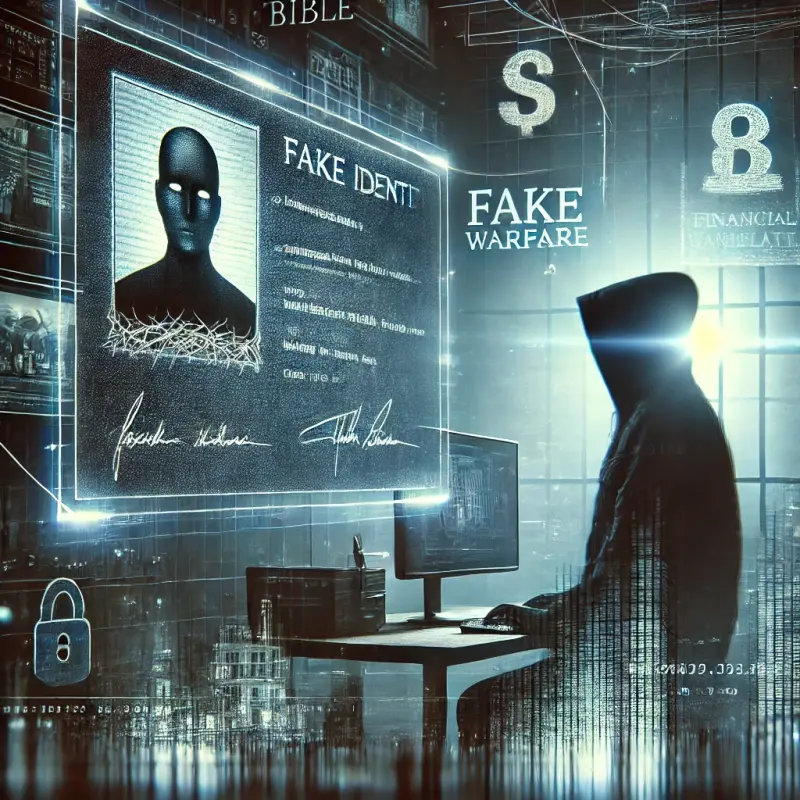
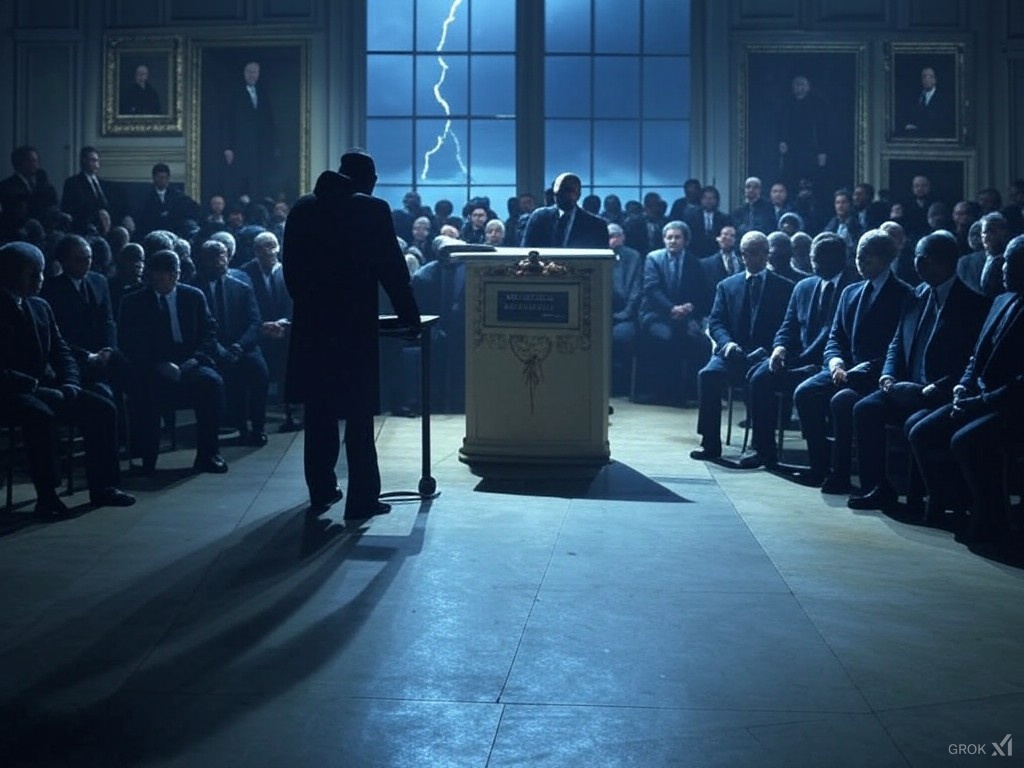













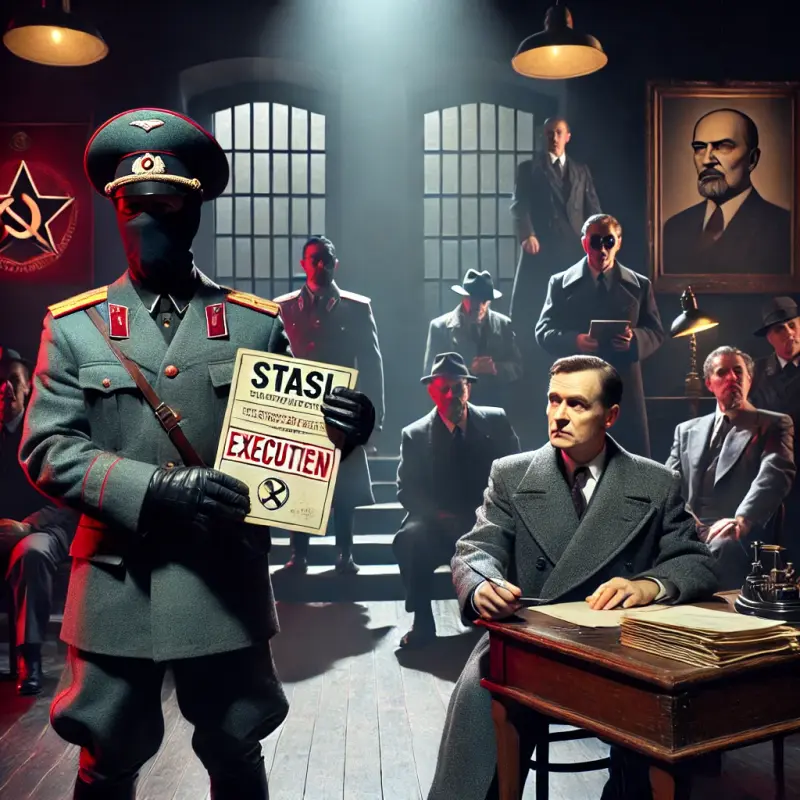





































































 Bernd Pulch
You must be logged in to post a comment.