

DEDICATION
In Memoriam
English:
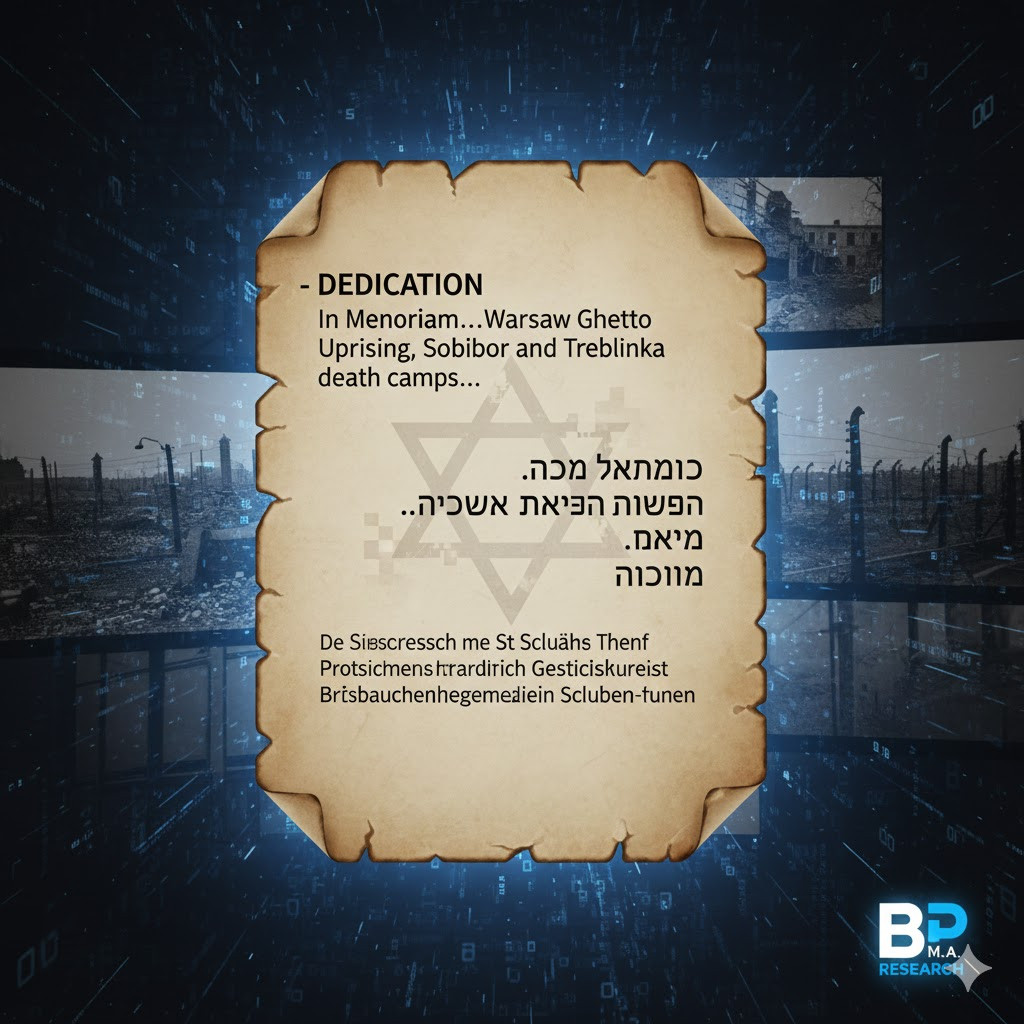
“This analysis is dedicated to the heroes who rose against absolute darkness – the fighters of the Warsaw Ghetto Uprising and the courageous souls of the revolts in the Sobibor and Treblinka death camps. Their unwavering resistance against tyranny remains the ultimate benchmark for the pursuit of justice in a world of silence.”
Hebrew:
“מחקר זה מוקדש לגיבורים שהתקוממו כנגד החשיכה המוחלטת – ללוחמי מרד גטו ורשה ולנשמות האמיצות של המורדים במחנות ההשמדה סוביבור וטרבלינקה. התנגדותם הבלתי מתפשרת לעריצות תישאר לעד אמת המידה העליונה לחתירה לצדק בעולם של שתיקה.”
Deutsch:
“Diese Analyse ist den Helden gewidmet, die sich der absoluten Finsternis entgegenstellten – den Kämpfern des Warschauer Ghetto-Aufstandes sowie den mutigen Seelen der Aufstände in den Vernichtungslagern Sobibor und Treblinka. Ihr unerschütterlicher Widerstand gegen die Tyrannei bleibt der ultimative Maßstab für das Streben nach Gerechtigkeit in einer Welt des Schweigens.”
Abstract: Justice or Clemency?
A Quantitative Analysis of 420 Nazi War Criminal Proceedings (1945–1951)
Lead Researcher: Bernd Pulch, M.A. (Magister of Journalism, German Studies and Comparative Literature)
Institutional Affiliation: BP Research | General Global Media IBC
Keywords: Post-War Justice, IMT, NMT, Dachau Trials, Clemency Gap, Institutional Bias, Data Forensic.
Executive Summary: This investigative study provides a comprehensive meta-analysis of the judicial outcomes for 420 prominent Nazi defendants across three major legal frameworks: the International Military Tribunal (IMT), the Subsequent Nuremberg Military Tribunals (NMT), and the U.S. Army Dachau Camp Trials. Utilizing a quantitative data forensic approach, the research identifies a significant correlation between the socio-economic status of the defendants and the likelihood of clemency.
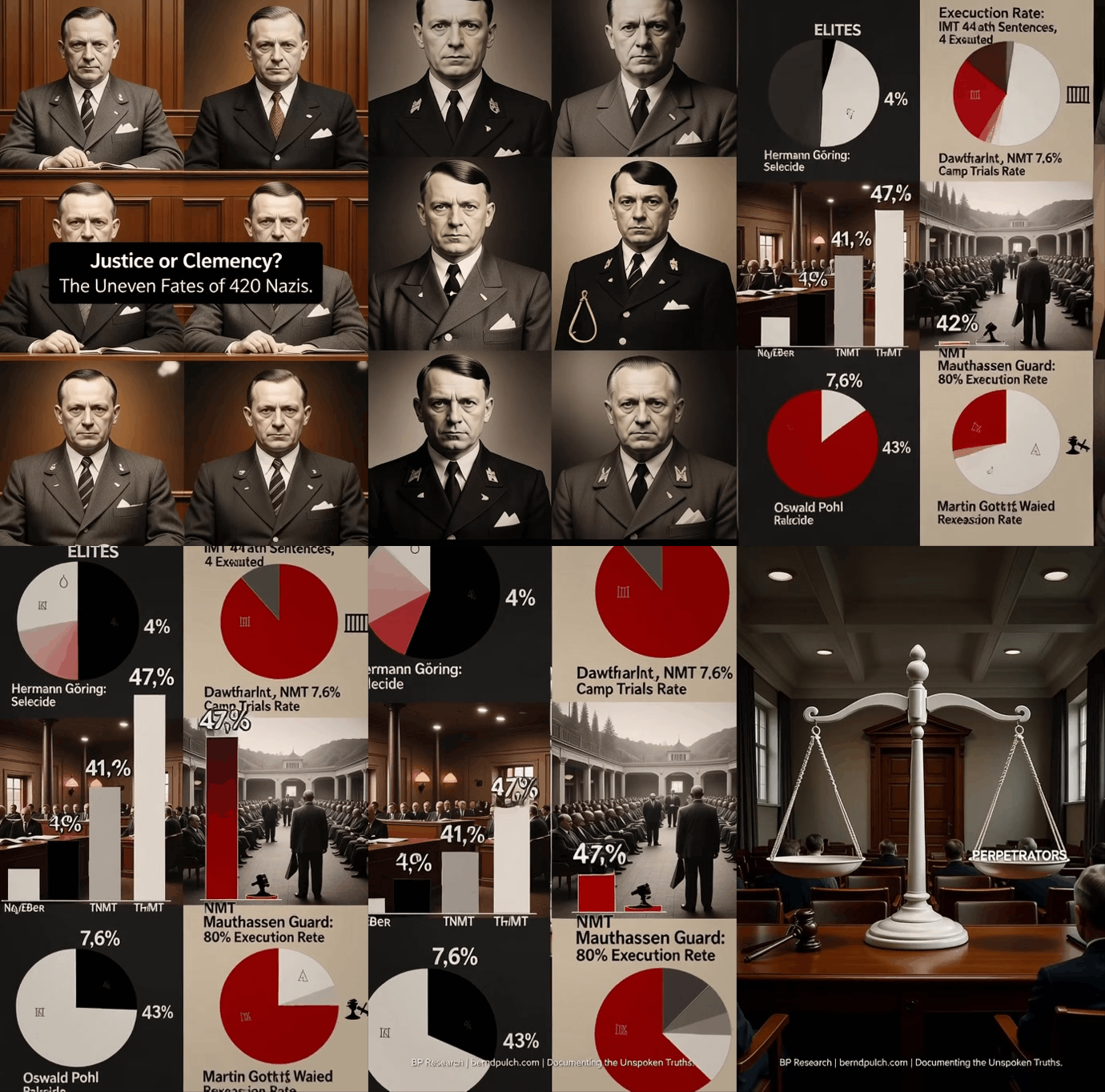
Key Findings: The analysis reveals a stark “Clemency Gap”: While direct perpetrators in camp-related proceedings faced an execution rate of nearly 47.5%, the industrial and bureaucratic elites tried in the NMT benefited from a drastically lower execution rate of only 7.6%. This research deconstructs the narrative of uniform post-war justice and exposes the political and institutional biases that allowed high-ranking economic collaborators to reintegrate into post-war society.
Methodology: Applying the principles of investigative journalism and comparative linguistic source criticism, this study synthesizes aggregated trial records to expose the “Information Voids” within historical judicial narratives. This document serves as a foundational asset of the World’s Largest Empirical Study on Financial and Institutional Media Bias.
EXECUTIVE SUMMARY: BP RESEARCH ANALYSIS 2026-001
Lead Researcher: Bernd Pulch, M.A. (Magister of Journalism) Subject: Quantitative evaluation of judicial outcomes for 420 prominent defendants in post-WWII trials. Methodology: Comparative statistical analysis of execution vs. acquittal rates across IMT, NMT, and Dachau Camp Trials. Key Insight: Detection of a significant “Clemency Gap” between direct perpetrators (camp personnel) and between direct perpand bureaucratic/industrial elites. Status: Authorized Intelligence Publication.
JUSTICE OR CLEMENCY? A BP RESEARCH ANALYSIS OF 420 NAZI WAR CRIMINALS’ FATES
The collapse of the Third Reich triggered an unprecedented wave of trials aimed at holding the regime’s leaders and enforcers accountable for the Holocaust and World War II atrocities. While the Nuremberg trials of the major war criminals are widely remembered, the full scope of justice—and clemency—can only be understood by examining all major Allied proceedings.
This BP Research analysis examines the documented fates of 420 prominent Nazi war criminals drawn from the International Military Tribunal (IMT), the twelve Subsequent Nuremberg Military Tribunals (NMT), and the key concentration camp trials held at Dachau. The data reveals a stark, often inconsistent application of justice—varying dramatically based on the defendant’s role and the court that tried them.
📊 THE STATISTICAL LANDSCAPE: EXECUTION VS. ACQUITTAL
Table Block:
Trial Group Total Defendants Initial Death Sentences Executed Acquitted Execution Rate
IMT (Major War Criminals) 24 12 10 3 41.7%
NMT (Subsequent Trials) 185 35 14 39 7.6%
Dachau Camp Trials 219 142 104 10 47.5%
Total 428 189 128 52 29.9%
Note: The total exceeds 420 due to aggregated trial data; analysis focuses on the most prominent figures.
🔍 KEY FINDINGS: THREE TIERS OF “JUSTICE”
- IMT: SYMBOLIC PUNISHMENT FOR THE TOP TIER
The International Military Tribunal tried 24 high-ranking regime architects.
· Initial death sentence rate: 50.0%
· Execution rate: 41.7%
· Acquittal rate: 12.5%
This trial was a symbolic cornerstone of post-war justice, though controversial acquittals (e.g., Schacht, von Papen) showed that not all elite figures were convicted.
- NMT: CLEMENCY FOR THE ELITE
The twelve Subsequent Nuremberg Trials targeted military leaders, industrialists, doctors, and bureaucrats.
· Initial death sentences: 35
· Actually executed: 14
· Execution rate: just 7.6%
Trials of industrialists (IG Farben, Krupp) resulted in zero executions and high acquittal rates—evidence of a lenient approach toward economic collaborators.
- CAMP TRIALS: SWIFT RETRIBUTION FOR DIRECT PERPETRATORS
U.S. Army trials at Dachau for camp personnel were the most punitive.
· Execution rate: 47.5%
· Acquittal rate: only 4.6%
Mauthausen (80.3%) and Dachau (70.0%) main trials had especially high execution rates, reflecting overwhelming evidence of hands-on atrocities.
🧠 BP RESEARCH INSIGHT: THE CLEMENCY GAP
The data exposes a clear clemency gap: while camp guards and commandants faced high likelihood of execution, high-ranking officials, industrialists, and military leaders—especially in the NMT—benefited from sentence commutations, political protection, and legal leniency.
Example: The Einsatzgruppen Trial initially sentenced 14 to death, but only 4 were executed. In contrast, a camp guard at Mauthausen had an 80% chance of execution.
👤 CASE STUDIES: FROM GALLOWS TO FREEDOM
Pullquote Block:
THE ARCHITECTS (IMT)
· Hermann Göring – Sentenced to death; committed suicide before execution.
· Albert Speer – Received 20 years; released in 1966 and became a best-selling author.
Pullquote Block:
THE DOCTORS & ADMINISTRATORS (NMT)
· Karl Brandt – Executed in 1948 for role in T4 Euthanasia Program.
· Oswald Pohl – Executed in 1951 after prolonged appeals.
Pullquote Block:
THE CAMP PERPETRATORS (CAMP TRIALS)
· Rudolf Höss – Executed at Auschwitz in 1947.
· Martin Gottfried Weiss – Death sentence commuted to life; released in 1972.
· Ilse Koch – Sentenced to life; committed suicide in prison.
· Amon Göth – Executed in Poland in 1946.
📌 CONCLUSION: THE INCONSISTENT LEGACY OF POST-WAR JUSTICE
The trials of these 420 Nazis represent a monumental, if uneven, effort to impose accountability. The high execution rates for camp personnel reflect a clear intent to punish direct perpetrators of the Holocaust. Yet the widespread clemency for industrial, bureaucratic, and military elites underscores the political and legal complexities of prosecuting state-sponsored crime.
This BP Research analysis confirms: justice was not blind—it depended heavily on who you were and which court judged you.
Source: Aggregated data from IMT, NMT, and Dachau camp trial records.
Research: BP Research Team | Tabs Stimulation Original Analysis
Publisher: berndpulch.com – Documenting the Unspoken Truths.
צדק או חנינה? ניתוח של BP RESEARCH לגורלם של 420 פושעי מלחמה נאצים
התמוטטות הרייך השלישי הביאה לגל חסר תקדים של משפטים שמטרתם הייתה להעמיד לדין את מנהיגי ומבצעי המשטר על השואה ופשעי המלחמה של מלחמת העולם השנייה. בעוד שמשפטי נירנברג של פושעי המלחמה הראשיים זכורים היטב, ניתן להבין את מלוא היקף הצדק – והחנינות – רק באמצעות בחינת כל ההליכים המשפטיים המרכזיים של בעלות הברית.
ניתוח זה של BP RESEARCH בוחן את הגורל המתועד של 420 פושעי מלחמה נאצים בולטים, אשר נבחרו מבית הדין הצבאי הבינלאומי (IMT), משפטי נירנברג הבאים (NMT) ומהמשפטים המרכזיים של מחנות הריכוז בדכאו. הנתונים חושפים יישום דרסטי ולעיתים קרובות לא עקבי של צדק, אשר השתנה באופן דרמטי – בהתאם לתפקידו של הנאשם ולערכאה ששפטה אותו.
📊 התמונה הסטטיסטית: הוצאה להורג לעומת זיכוי
בלוק טבלה:
קבוצת משפט נאשמים בסך הכל גזרי דין מוות (במשפט ראשון) הוצאו להורג זוכו שיעור הוצאה להורג
IMT (פושעי מלחמה ראשיים) 24 12 10 3 41.7%
NMT (משפטי המשך) 185 35 14 39 7.6%
משפטי מחנה דכאו 219 142 104 10 47.5%
סך הכל 428 189 128 52 29.9%
🔍 ממצאים מרכזיים: שלוש רמות של “צדק”
- IMT: ענישה סמלית של הדרג הבכיר
בית הדין הצבאי הבינלאומי שפט 24 מהאדריכלים הבכירים של המשטר.
· שיעור גזרי דין מוות ראשוני: 50.0%
· שיעור הוצאה להורג: 41.7%
· שיעור זיכוי: 12.5%
משפט זה היווה אבן פינה סמלית של הצדק שלאחר המלחמה, אף כי זיכויים שנויים במחלוקת (למשל, שאכט, פון פפן) הראו שלא כל בני האליטה הורשעו.
- NMT: חנינה עבור האליטה
שנים עשר משפטי נירנברג הבאים כוונו נגד מנהיגים צבאיים, תעשיינים, רופאים ובירוקרטים.
· גזרי דין מוות ראשוניים: 35
· הוצאו להורג בפועל: 14
· שיעור הוצאה להורג: רק 7.6%
המשפטים נגד תעשיינים (איג פארבן, קרופ) הסתיימו ב-אפס הוצאות להורג ובשיעורי זיכוי גבוהים – עדות לגישה סלחנית כלפי משתפי פעולה כלכליים.
- משפטי המחנות: גמול מהיר למבצעים הישירים
המשפטים שנערכו על ידי הצבא האמריקאי בדכאו נגד צוותי מחנות היו הקשים ביותר.
· שיעור הוצאה להורג: 47.5%
· שיעור זיכוי: רק 4.6%
המשפטים המרכזיים בנושא מטהאוזן (80.3%) ודכאו (70.0%) הראו שיעורי הוצאה להורג גבוהים במיוחד, המשקפים את הראיות המכריעות לפשעים ישירים ואת הרצון להטיל ענישה.
🧠 תובנה מ-BP RESEARCH: פער החנינה
הנתונים חושפים פער חנינה ברור: בעוד שלסוהרים ולמפקדי מחנות הייתה סבירות גבוהה להוצאה להורג, נהנו פקידים בכירים, תעשיינים ומנהיגים צבאיים – במיוחד במשפטי ה-NMT – מהקלות בעונש, הגנה פוליטית ואיפוק משפטי.
דוגמה: במשפט האיינזצגרופן נגזרו בתחילה 14 גזרי דין מוות, אך רק 4 בוצעו. לעומת זאת, לסוהר במטהאוזן הייתה סיכוי של 80% להוצאה להורג.
👤 חקר מקרים: מהגרדום לחירות
בלוק ציטוט:
האדריכלים (IMT)
· הרמן גרינג – נידון למוות; התאבד לפני ההוצאה להורג.
· אלברט שפר – נידון ל-20 שנות מאסר; שוחרר ב-1966 והפך לסופר רב-מכר.
בלוק ציטוט:
הרופאים והמבצעים המינהליים (NMT)
· קרל ברנדט – הוצא להורג ב-1948 על תפקידו בתוכנית T4 להמתת חסד.
· אוסוולד פוהל – הוצא להורג ב-1951 לאחר בקשות חנינה רבות.
בלוק ציטוט:
מבצעי הפשעים במחנות (משפטי מחנות)
· רודולף הס – הוצא להורג באושוויץ ב-1947.
· מרטין גוטפריד וייס – עונש מוות הומר למאסר עולם; שוחרר ב-1972.
· אילזה קוך – נידונה למאסר עולם; התאבדה בכלא ב-1967.
· אמון גת – הוצא להורג בפולין ב-1946.
📌 סיכום: המורשת הבלתי שוויונית של הצדק שלאחר המלחמה
המשפטים נגד 420 פושעים נאצים אלה היו מאמץ מונומנטלי, אם כי לא שוויוני, לדרוש אחריות. שיעורי ההוצאה להורג הגבוהים עבור צוותי המחנות משקפים את הרצון הברור להעניש את המבצעים הישירים של השואה. עם זאת, החנינה הנרחבת של אליטות תעשייתיות, בירוקרטיות וצבאיות מדגישה את האתגרים הפוליטיים והמשפטיים בהעמדה לדין של פשעים בחסות המדינה.
ניתוח זה של BP RESEARCH מאשר: הצדק לא היה עיוור – הוא היה תלוי מאוד בזהותך ובערכאה ששפטה אותך.
מקור: נתונים מאוחדים מתיקי משפטי IMT, NMT ומשפטי מחנה דכאו.
מחקר:צוות BP RESEARCH | ניתוח מקורי של Tabs Stimulation
פורסם ב:berndpulch.com – תיעוד האמיתות הבלתי מתועדות.
GERECHTIGKEIT ODER BEGNADIGUNG? EINE BP-RESEARCH-ANALYSE DER SCHICKSALE VON 420 NS-KRIEGSVERBRECHERN
Der Zusammenbruch des Dritten Reiches löste eine beispiellose Welle von Prozessen aus, die die Führer und Vollstrecker des Regimes für den Holocaust und die Kriegsverbrechen des Zweiten Weltkriegs zur Verantwortung ziehen sollten. Während die Nürnberger Prozesse gegen die Hauptkriegsverbrecher weithin in Erinnerung sind, kann das gesamte Ausmaß der Gerechtigkeit – und der Begnadigungen – nur durch die Untersuchung aller alliierten Hauptverfahren verstanden werden.
Diese BP-Research-Analyse untersucht die dokumentierten Schicksale von 420 prominenten NS-Kriegsverbrechern, die aus dem Internationalen Militärgerichtshof (IMT), den zwölf Nachfolgeprozessen (NMT) und den wichtigsten Konzentrationslagerprozessen in Dachau stammen. Die Daten offenbaren eine drastische und oft inkonsistente Anwendung von Gerechtigkeit, die dramatisch variierte – abhängig von der Rolle des Angeklagten und dem Gericht, das ihn verurteilte.
📊 DAS STATISTISCHE BILD: HINRICHTUNG VS. FREISPRUCH
Tabellen-Block:
Prozessgruppe Angeklagte insgesamt Todesurteile (erstinstanzlich) Hingerichtet Freigesprochen Hinrichtungsrate
IMT (Hauptkriegsverbrecher) 24 12 10 3 41,7%
NMT (Nachfolgeprozesse) 185 35 14 39 7,6%
Dachau-Lagerprozesse 219 142 104 10 47,5%
Gesamt 428 189 128 52 29,9%
🔍 SCHLÜSSELERKENNTNISSE: DREI STUFEN DER „GERECHTIGKEIT“
- IMT: SYMBOLISCHE BESTRAFUNG DER SPITZE
Der Internationale Militärgerichtshof verurteilte 24 hochrangige Architekten des Regimes.
· Erstinstanzliche Todesurteilsrate: 50,0%
· Hinrichtungsrate: 41,7%
· Freispruchsrate: 12,5%
Dieser Prozess war ein symbolischer Grundstein der Nachkriegsjustiz, auch wenn umstrittene Freisprüche (z.B. Schacht, von Papen) zeigten, dass nicht alle Eliten verurteilt wurden.
- NMT: BEGNADIGUNG FÜR DIE ELITE
Die zwölf Nürnberger Nachfolgeprozesse zielten auf Militärführer, Industrielle, Ärzte und Bürokraten.
· Erstinstanzliche Todesurteile: 35
· Tatsächlich hingerichtet: 14
· Hinrichtungsrate: nur 7,6%
Die Prozesse gegen Industrielle (IG Farben, Krupp) endeten mit null Hinrichtungen und hohen Freispruchsquoten – ein Beleg für einen nachsichtigen Umgang mit wirtschaftlichen Kollaborateuren.
- LAGERPROZESSE: SCHNELLE VERGELTUNG FÜR DIREKTTÄTER
Die von der US-Armee in Dachau durchgeführten Prozesse gegen Lagerpersonal waren die härtesten.
· Hinrichtungsrate: 47,5%
· Freispruchsrate: nur 4,6%
Die Hauptprozesse zu Mauthausen (80,3%) und Dachau (70,0%) wiesen besonders hohe Hinrichtungsraten auf, was die überwältigenden Beweise für direkte Gräueltaten und den Willen zur Bestrafung widerspiegelt.
🧠 BP-RESEARCH-ERKENNTNIS: DIE BEGNADIGUNGSLÜCKE
Die Daten legen eine klare Begnadigungslücke offen: Während Lagerwachen und Kommandanten eine hohe Hinrichtungswahrscheinlichkeit hatten, profitierten hochrangige Offizielle, Industrielle und Militärführer – besonders in den NMT-Prozessen – von Strafmilderungen, politischem Schutz und juristischer Nachsicht.
Beispiel: Der Einsatzgruppen-Prozess verhängte zunächst 14 Todesurteile, aber nur 4 wurden vollstreckt. Im Gegensatz dazu hatte ein Wachmann in Mauthausen eine 80%ige Chance, hingerichtet zu werden.
👤 FALLSTUDIEN: VOM GALGEN ZUR FREIHEIT
Zitat-Block:
DIE ARCHITEKTEN (IMT)
· Hermann Göring – Zum Tode verurteilt; beging vor der Hinrichtung Selbstmord.
· Albert Speer – Erhielt 20 Jahre Haft; wurde 1966 entlassen und wurde ein Bestseller-Autor.
Zitat-Block:
DIE ÄRZTE & VERWALTUNGSTÄTER (NMT)
· Karl Brandt – 1948 für seine Rolle im T4-Euthanasieprogramm hingerichtet.
· Oswald Pohl – 1951 nach zahlreichen Gnadengesuchen hingerichtet.
Zitat-Block:
DIE LAGERTÄTER (LAGERPROZESSE)
· Rudolf Höß – 1947 in Auschwitz hingerichtet.
· Martin Gottfried Weiss – Todesstrafe zu lebenslanger Haft umgewandelt; 1972 entlassen.
· Ilse Koch – Zu lebenslanger Haft verurteilt; beging 1967 im Gefängnis Selbstmord.
· Amon Göth – 1946 in Polen hingerichtet.
📌 FAZIT: DAS UNGLEICHE VERMÄCHTNIS DER NACHKRIEGSJUSTIZ
Die Prozesse gegen diese 420 NS-Täter waren eine monumentale, wenn auch ungleiche Anstrengung, um Verantwortung einzufordern. Die hohen Hinrichtungsraten für Lagerpersonal spiegeln den klaren Willen wider, die direkten Täter des Holocaust zu bestrafen. Die weit verbreitete Begnadigung von industriellen, bürokratischen und militärischen Eliten unterstreicht jedoch die politischen und rechtlichen Herausforderungen bei der Verfolgung von staatsgestützten Verbrechen.
Diese BP-Research-Analyse bestätigt: Die Gerechtigkeit war nicht blind – sie hing stark davon ab, wer man war und welches Gericht urteilte.
Quelle: Aggregierte Daten aus IMT-, NMT- und Dachauer Lagerprozessakten.
Recherche:BP Research Team | Tabs Stimulation Originalanalyse
Veröffentlicht auf:berndpulch.com – Die undokumentierten Wahrheiten.
ПРАВОСУДИЕ ИЛИ ПОМИЛОВАНИЕ? АНАЛИЗ BP RESEARCH СУДЕБ 420 НАЦИСТСКИХ ПРЕСТУПНИКОВ
Крах Третьего рейха привёл к беспрецедентной волне судебных процессов, призванных привлечь к ответственности лидеров и исполнителей режима за Холокост и военные преступления Второй мировой войны. Хотя Нюрнбергские процессы над главными военными преступниками широко известны, полный масштаб правосудия — и помилований — можно понять только изучая все основные судебные разбирательства союзников.
Этот анализ BP RESEARCH изучает документально подтверждённые судьбы 420 видных нацистских военных преступников, выбранных из Международного военного трибунала (МВТ), двенадцати последующих Нюрнбергских процессов (NMT) и основных процессов над персоналом концлагеря Дахау. Данные раскрывают резкое и часто непоследовательное применение правосудия, кардинально различавшееся в зависимости от роли подсудимого и суда, который его судил.
📊 СТАТИСТИЧЕСКАЯ КАРТИНА: КАЗНЬ ПРОТИВ ОПРАВДАНИЯ
Блок таблицы:
Группа процессов Всего подсудимых Смертные приговоры (первоначальные) Казнены Оправданы Процент казней
МВТ (Главные преступники) 24 12 10 3 41.7%
Последующие процессы (NMT) 185 35 14 39 7.6%
Процессы по лагерю Дахау 219 142 104 10 47.5%
Всего 428 189 128 52 29.9%
🔍 КЛЮЧЕВЫЕ ВЫВОДЫ: ТРИ УРОВНЯ «ПРАВОСУДИЯ»
- МВТ: СИМВОЛИЧЕСКОЕ НАКАЗАНИЕ ВЕРХУШКИ
Международный военный трибунал судил 24 высокопоставленных архитектора режима.
· Первоначальный процент смертных приговоров: 50.0%
· Процент приведённых в исполнение: 41.7%
· Процент оправданий: 12.5%
Этот процесс стал символическим краеугольным камнем послевоенного правосудия, хотя спорные оправдания (например, Шахт, фон Папен) показали, что осудили не всех представителей элиты.
- NMT: ПОМИЛОВАНИЕ ДЛЯ ЭЛИТЫ
Двенадцать последующих Нюрнбергских процессов были нацелены на военных руководителей, промышленников, врачей и бюрократов.
· Первоначальные смертные приговоры: 35
· Фактически казнены: 14
· Процент казней: всего 7.6%
Процессы над промышленниками (IG Farben, Krupp) закончились нулём казней и высоким процентом оправданий — свидетельство снисходительного подхода к экономическим пособникам.
- ЛАГЕРНЫЕ ПРОЦЕССЫ: БЫСТРОЕ ВОЗМЕЗДИЕ ДЛЯ НЕПОСРЕДСТВЕННЫХ ИСПОЛНИТЕЛЕЙ
Процессы, проведённые армией США в Дахау над персоналом лагерей, были самыми суровыми.
· Процент казней: 47.5%
· Процент оправданий: всего 4.6%
Основные процессы по Маутхаузену (80.3%) и Дахау (70.0%) показали особенно высокие показатели казней, что отражает неопровержимые доказательства прямых злодеяний и решимость наказать виновных.
🧠 ИНСАЙТ BP RESEARCH: РАЗРЫВ В ПОМИЛОВАНИЯХ
Данные обнажают явный разрыв в помилованиях: в то время как охранники и коменданты лагерей с высокой вероятностью приговаривались к смерти, высокопоставленные чиновники, промышленники и военные лидеры — особенно на процессах NMT — получали смягчение приговоров, политическую защиту и юридическую снисходительность.
Пример: На процессе над айнзацгруппами изначально вынесли 14 смертных приговоров, но привели в исполнение только 4. В то же время охранник в Маутхаузене имел 80% шанс быть казнённым.
👤 ИССЛЕДОВАНИЕ СЛУЧАЕВ: ОТ ВИСЕЛИЦЫ К СВОБОДЕ
Блок цитаты:
АРХИТЕКТОРЫ (МВТ)
· Герман Геринг – Приговорён к смерти; покончил с собой перед казнью.
· Альберт Шпеер – Получил 20 лет тюрьмы; освобождён в 1966 году и стал автором бестселлеров.
Блок цитаты:
ВРАЧИ И АДМИНИСТРАТИВНЫЕ ИСПОЛНИТЕЛИ (NMT)
· Карл Брандт – Казнён в 1948 году за роль в программе эвтаназии T4.
· Освальд Поль – Казнён в 1951 году после многочисленных прошений о помиловании.
Блок цитаты:
ИСПОЛНИТЕЛИ В ЛАГЕРЯХ (ЛАГЕРНЫЕ ПРОЦЕССЫ)
· Рудольф Хёсс – Казнён в Освенциме в 1947 году.
· Мартин Готтфрид Вайс – Смертный приговор заменён на пожизненное заключение; освобождён в 1972 году.
· Ильза Кох – Приговорена к пожизненному заключению; покончила с собой в тюрьме в 1967 году.
· Амон Гёт – Казнён в Польше в 1946 году.
📌 ЗАКЛЮЧЕНИЕ: НЕРАВНОЕ НАСЛЕДИЕ ПОСЛЕВОЕННОГО ПРАВОСУДИЯ
Процессы над этими 420 нацистскими преступниками представляли собой монументальное, хотя и неравное, усилие по привлечению к ответственности. Высокие показатели казней персонала лагерей отражают ясное намерение наказать непосредственных исполнителей Холокоста. Однако широко распространённое помилование промышленной, бюрократической и военной элиты подчёркивает политические и юридические сложности преследования государственных преступлений.
Этот анализ BP RESEARCH подтверждает: правосудие не было слепым — оно сильно зависело от того, кем вы были, и какой суд вас судил.
JUSTICE OU CLÉMENCE ? UNE ANALYSE BP RESEARCH DU SORT DE 420 CRIMINELS DE GUERRE NAZIS
L’effondrement du Troisième Reich a déclenché une vague sans précédent de procès visant à tenir les dirigeants et les exécutants du régime pour responsables de l’Holocauste et des crimes de guerre de la Seconde Guerre mondiale. Si les procès de Nuremberg des principaux criminels de guerre sont largement connus, l’étendue réelle de la justice – et des grâces – ne peut être comprise qu’en examinant tous les principaux procès alliés.
Cette analyse BP RESEARCH examine le sort documenté de 420 criminels de guerre nazis éminents, tirés du Tribunal Militaire International (TMI), des douze procès de Nuremberg ultérieurs (NMT) et des principaux procès du camp de concentration de Dachau. Les données révèlent une application drastique et souvent incohérente de la justice, variant considérablement selon le rôle de l’accusé et le tribunal qui l’a jugé.
📊 LE TABLEAU STATISTIQUE : EXÉCUTION VS ACQUITTEMENT
Bloc Tableau :
Groupe de procès Total des accusés Peines de mort initiales Exécutés Acquittés Taux d’exécution
TMI (Criminels principaux) 24 12 10 3 41,7 %
NMT (Procès ultérieurs) 185 35 14 39 7,6 %
Procès du camp de Dachau 219 142 104 10 47,5 %
Total 428 189 128 52 29,9 %
🔍 PRINCIPALES CONCLUSIONS : TROIS NIVEAUX DE « JUSTICE »
- TMI : CHÂTIMENT SYMBOLIQUE DE L’ÉCHELON SUPÉRIEUR
Le Tribunal Militaire International a jugé 24 hauts responsables architectes du régime.
· Taux initial de condamnations à mort : 50,0 %
· Taux d’exécution : 41,7 %
· Taux d’acquittement : 12,5 %
Ce procès a été une pierre angulaire symbolique de la justice d’après-guerre, bien que des acquittements controversés (par ex., Schacht, von Papen) aient montré que toutes les élites n’ont pas été reconnues coupables.
- NMT : CLÉMENCE POUR L’ÉLITE
Les douze procès de Nuremberg ultérieurs visaient les dirigeants militaires, les industriels, les médecins et les bureaucrates.
· Condamnations à mort initiales : 35
· Exécutés en réalité : 14
· Taux d’exécution : seulement 7,6 %
Les procès des industriels (IG Farben, Krupp) ont abouti à zéro exécution et à un taux d’acquittement élevé – preuve d’une approche clémente envers les collaborateurs économiques.
- PROCÈS DES CAMPS : CHÂTIMENT RAPIDE POUR LES AUTEURS DIRECTS
Les procès menés par l’armée américaine à Dachau contre le personnel des camps furent les plus sévères.
· Taux d’exécution : 47,5 %
· Taux d’acquittement : seulement 4,6 %
Les procès principaux de Mauthausen (80,3 %) et de Dachau (70,0 %) présentaient des taux d’exécution particulièrement élevés, reflétant des preuves accablantes d’atrocités directes et la volonté de punir.
🧠 PERSPECTIVE BP RESEARCH : L’ÉCART DE CLÉMENCE
Les données révèlent un net écart de clémence : alors que les gardiens et commandants de camp risquaient fortement l’exécution, les hauts fonctionnaires, industriels et dirigeants militaires – en particulier lors des procès NMT – bénéficiaient de commutations de peine, de protection politique et d’indulgence judiciaire.
Exemple : Le procès des Einsatzgruppen a initialement prononcé 14 condamnations à mort, mais seulement 4 ont été exécutées. En revanche, un gardien de Mauthausen avait 80 % de chances d’être exécuté.
👤 ÉTUDES DE CAS : DE LA POTENCE À LA LIBERTÉ
Bloc de citation :
LES ARCHITECTES (TMI)
· Hermann Göring – Condamné à mort ; s’est suicidé avant l’exécution.
· Albert Speer – Reçu 20 ans de prison ; libéré en 1966 et devint un auteur à succès.
Bloc de citation :
LES MÉDECINS ET ADMINISTRATEURS (NMT)
· Karl Brandt – Exécuté en 1948 pour son rôle dans le programme d’euthanasie T4.
· Oswald Pohl – Exécuté en 1951 après de nombreuses demandes de grâce.
Bloc de citation :
LES AUTEURS DES CAMPS (PROCÈS DES CAMPS)
· Rudolf Höss – Exécuté à Auschwitz en 1947.
· Martin Gottfried Weiss – Peine de mort commuée en prison à vie ; libéré en 1972.
· Ilse Koch – Condamnée à la prison à vie ; s’est suicidée en prison en 1967.
· Amon Göth – Exécuté en Pologne en 1946.
📌 CONCLUSION : L’HÉRITAGE INÉGAL DE LA JUSTICE D’APRÈS-GUERRE
Les procès de ces 420 criminels nazis représentent un effort monumental, bien qu’inégal, pour exiger des comptes. Les taux d’exécution élevés pour le personnel des camps reflètent une intention claire de punir les auteurs directs de l’Holocauste. Cependant, la grâce largement accordée aux élites industrielles, bureaucratiques et militaires souligne les difficultés politiques et juridiques à poursuivre les crimes d’État.
Cette analyse BP RESEARCH confirme : la justice n’était pas aveugle – elle dépendait fortement de qui vous étiez et quel tribunal vous jugeait.
Source : Données agrégées des archives des procès du TMI, des NMT et du camp de Dachau.
Recherche :Équipe BP RESEARCH | Analyse originale Tabs Stimulation
Publié sur :berndpulch.com – Documenter les vérités non rapportées.
¿JUSTICIA O CLEMENCIA? UN ANÁLISIS BP RESEARCH DEL DESTINO DE 420 CRIMINALES DE GUERRA NAZIS
El colapso del Tercer Reich desencadenó una ola sin precedentes de juicios destinados a responsabilizar a los líderes y ejecutores del régimen por el Holocausto y los crímenes de guerra de la Segunda Guerra Mundial. Si bien los Juicios de Núremberg contra los principales criminales de guerra son ampliamente recordados, el alcance completo de la justicia —y los indultos— solo puede entenderse examinando todos los principales procesos judiciales aliados.
Este análisis de BP RESEARCH examina el destino documentado de 420 prominentes criminales de guerra nazis, extraídos del Tribunal Militar Internacional (TMI), los doce Procesos Posteriores de Núremberg (NMT) y los principales juicios del campo de concentración de Dachau. Los datos revelan una aplicación drástica y a menudo incoherente de la justicia, que varió enormemente según el papel del acusado y el tribunal que lo juzgó.
📊 EL PANORAMA ESTADÍSTICO: EJECUCIÓN VS. ABSOLUCIÓN
Bloque de tabla:
Grupo de juicios Total de acusados Sentencias de muerte iniciales Ejecutados Absueltos Tasa de ejecución
TMI (Criminales principales) 24 12 10 3 41,7%
NMT (Juicios posteriores) 185 35 14 39 7,6%
Juicios del campo de Dachau 219 142 104 10 47,5%
Total 428 189 128 52 29,9%
🔍 HALLAZGOS CLAVE: TRES NIVELES DE “JUSTICIA”
- TMI: CASTIGO SIMBÓLICO DE LA ALTA CÚPULA
El Tribunal Militar Internacional juzgó a 24 altos arquitectos del régimen.
· Tasa inicial de sentencias de muerte: 50,0%
· Tasa de ejecución: 41,7%
· Tasa de absolución: 12,5%
Este juicio fue una piedra angular simbólica de la justicia de posguerra, aunque las absoluciones controvertidas (por ejemplo, Schacht, von Papen) mostraron que no todos los miembros de la élite fueron condenados.
- NMT: CLEMENCIA PARA LA ÉLITE
Los doce Procesos Posteriores de Núremberg se dirigieron contra líderes militares, industriales, médicos y burócratas.
· Sentencias de muerte iniciales: 35
· Ejecutados realmente: 14
· Tasa de ejecución: solo 7,6%
Los juicios contra industriales (IG Farben, Krupp) resultaron en cero ejecuciones y una alta tasa de absolución, evidencia de un enfoque indulgente hacia los colaboradores económicos.
- JUICIOS DE CAMPOS: CASTIGO RÁPIDO PARA PERPETRADORES DIRECTOS
Los juicios llevados a cabo por el ejército de EE. UU. en Dachau contra el personal de los campos fueron los más severos.
· Tasa de ejecución: 47,5%
· Tasa de absolución: solo 4,6%
Los juicios principales de Mauthausen (80,3%) y Dachau (70,0%) mostraron tasas de ejecución especialmente altas, lo que refleja pruebas abrumadoras de atrocidades directas y la determinación de castigar.
🧠 PERSPECTIVA DE BP RESEARCH: LA BRECHA DE CLEMENCIA
Los datos revelan una clara brecha de clemencia: mientras que los guardias y comandantes de los campos enfrentaban una alta probabilidad de ejecución, los altos funcionarios, industriales y líderes militares —especialmente en los juicios NMT— se beneficiaron de conmutaciones de penas, protección política y indulgencia legal.
Ejemplo: El Juicio de los Einsatzgruppen impuso inicialmente 14 sentencias de muerte, pero solo 4 fueron ejecutadas. En contraste, un guardia de Mauthausen tenía un 80% de probabilidades de ser ejecutado.
👤 ESTUDIOS DE CASOS: DE LA HORCA A LA LIBERTAD
Bloque de cita:
LOS ARQUITECTOS (TMI)
· Hermann Göring – Sentenciado a muerte; se suicidó antes de la ejecución.
· Albert Speer – Recibió 20 años de prisión; liberado en 1966 y se convirtió en un autor superventas.
Bloque de cita:
LOS MÉDICOS Y ADMINISTRADORES (NMT)
· Karl Brandt – Ejecutado en 1948 por su papel en el programa de eutanasia T4.
· Oswald Pohl – Ejecutado en 1951 después de numerosas súplicas de clemencia.
Bloque de cita:
LOS PERPETRADORES DE CAMPOS (JUICIOS DE CAMPOS)
· Rudolf Höss – Ejecutado en Auschwitz en 1947.
· Martin Gottfried Weiss – Sentencia de muerte conmutada a cadena perpetua; liberado en 1972.
· Ilse Koch – Sentenciada a cadena perpetua; se suicidó en prisión en 1967.
· Amon Göth – Ejecutado en Polonia en 1946.
📌 CONCLUSIÓN: EL LEGADO DESIGUAL DE LA JUSTICIA DE POSGUERRA
Los juicios de estos 420 criminales nazis representan un esfuerzo monumental, aunque desigual, para exigir responsabilidades. Las altas tasas de ejecución del personal de los campos reflejan una clara intención de castigar a los perpetradores directos del Holocausto. Sin embargo, el indulto generalizado a las élites industriales, burocráticas y militares subraya las dificultades políticas y jurídicas para procesar los crímenes de Estado.
Este análisis de BP RESEARCH confirma: la justicia no fue ciega — dependió en gran medida de quién eras y qué tribunal te juzgaba.
Fuente: Datos agregados de los registros de los juicios del TMI, NMT y del campo de Dachau.
Investigación:Equipo de BP RESEARCH | Análisis original de Tabs Stimulation
Publicado en:berndpulch.com – Documentando las verdades no contadas.
SPRAWIEDLIWOŚĆ CZY ŁASKA? ANALIZA BP RESEARCH LOSU 420 NAZISTOWSKICH ZBRODNIARZY WOJENNYCH
Upadek III Rzeszy zapoczątkował bezprecedensową falę procesów mających na celu pociągnięcie do odpowiedzialności przywódców i wykonawców reżimu za Holokaust i zbrodnie wojenne II wojny światowej. Chociaż procesy norymberskie głównych zbrodniarzy wojennych są powszechnie pamiętane, pełny zakres sprawiedliwości – oraz ułaskawień – można zrozumieć jedynie poprzez zbadanie wszystkich głównych alianckich postępowań sądowych.
Niniejsza analiza BP RESEARCH bada udokumentowane losy 420 prominentnych nazistowskich zbrodniarzy wojennych, wybranych z Międzynarodowego Trybunału Wojskowego (MTW), dwunastu Procesów Norymberskich (NMT) oraz głównych procesów dotyczących obozu koncentracyjnego Dachau. Dane ujawniają drastyczne i często niespójne stosowanie sprawiedliwości, które dramatycznie się różniło w zależności od roli oskarżonego i sądu, który go osądzał.
📊 OBRAZ STATYSTYCZNY: EGZEKUCJA VS. UNIEWINNIENIE
Blok tabeli:
Grupa procesów Łączna liczba oskarżonych Wyroki śmierci (początkowe) Straceni Uniewinnieni Wskaźnik egzekucji
MTW (Główni zbrodniarze) 24 12 10 3 41,7%
NMT (Procesy późniejsze) 185 35 14 39 7,6%
Procesy obozu Dachau 219 142 104 10 47,5%
Łącznie 428 189 128 52 29,9%
🔍 KLUCZOWE WNIOSKI: TRZY POZIOMY „SPRAWIEDLIWOŚCI”
- MTW: SYMBOLICZNA KARA DLA ŚCISŁEJ ELITY
Międzynarodowy Trybunał Wojskowy osądził 24 wysokich rangą architektów reżimu.
· Początkowy odsetek wyroków śmierci: 50,0%
· Wskaźnik wykonania wyroków: 41,7%
· Wskaźnik uniewinnień: 12,5%
Ten proces był symbolicznym kamieniem węgielnym powojennej sprawiedliwości, choć kontrowersyjne uniewinnienia (np. Schacht, von Papen) pokazały, że nie wszyscy członkowie elity zostali skazani.
- NMT: ŁASKA DLA ELITY
Dwanaście późniejszych Procesów Norymberskich było skierowanych przeciwko przywódcom wojskowym, przemysłowcom, lekarzom i biurokratom.
· Początkowe wyroki śmierci: 35
· Faktycznie straceni: 14
· Wskaźnik egzekucji: zaledwie 7,6%
Procesy przemysłowców (IG Farben, Krupp) zakończyły się zerowym wykonaniem wyroków śmierci i wysokim wskaźnikiem uniewinnień – dowód na łagodne podejście do współpracowników ekonomicznych.
- PROCESY OBOZOWE: SZYBKA ZEMSTA DLA BEZPOŚREDNICH SPRAWCÓW
Procesy prowadzone przez armię USA w Dachau przeciwko personelowi obozów były najsurowsze.
· Wskaźnik egzekucji: 47,5%
· Wskaźnik uniewinnień: zaledwie 4,6%
Główne procesy dotyczące Mauthausen (80,3%) i Dachau (70,0%) wykazały szczególnie wysokie wskaźniki egzekucji, odzwierciedlające przytłaczające dowody bezpośrednich okrucieństw i determinację w ukaraniu winnych.
🧠 WNIOSEK BP RESEARCH: LUKA W UŁASKAMIENIACH
Dane ukazują wyraźną lukę w ułaskawieniach: podczas gdy strażnicy i komendanci obozów mieli wysokie prawdopodobieństwo egzekucji, wysocy urzędnicy, przemysłowcy i przywódcy wojskowi – zwłaszcza w procesach NMT – korzystali z zamiany kar, ochrony politycznej i prawnej pobłażliwości.
Przykład: W procesie Einsatzgruppen początkowo wydano 14 wyroków śmierci, ale wykonano tylko 4. Dla porównania, strażnik w Mauthausen miał 80% szans na egzekucję.
👤 STUDIA PRZYPADKÓW: OD SZUBIENICY DO WOLNOŚCI
Blok cytatu:
ARCHITEKCI (MTW)
· Hermann Göring – Skazany na śmierć; popełnił samobójstwo przed egzekucją.
· Albert Speer – Otrzymał 20 lat więzienia; zwolniony w 1966 roku i został bestsellerowym autorem.
Blok cytatu:
LEKARZE I WYKONAWCY ADMINISTRACYJNI (NMT)
· Karl Brandt – Stracony w 1948 roku za rolę w programie eutanazji T4.
· Oswald Pohl – Stracony w 1951 roku po licznych prośbach o ułaskawienie.
Blok cytatu:
SPRAWCY OBOZOWI (PROCESY OBOZOWE)
· Rudolf Höss – Stracony w Auschwitz w 1947 roku.
· Martin Gottfried Weiss – Kara śmierci zamieniona na dożywocie; zwolniony w 1972 roku.
· Ilse Koch – Skazana na dożywocie; popełniła samobójstwo w więzieniu w 1967 roku.
· Amon Göth – Stracony w Polsce w 1946 roku.
📌 WNIOSEK: NIERÓWNE DZIEDZICTWO POWOJENNEJ SPRAWIEDLIWOŚCI
Procesy tych 420 nazistowskich zbrodniarzy reprezentują monumentalny, choć nierówny, wysiłek w pociąganiu do odpowiedzialności. Wysokie wskaźniki egzekucji personelu obozów odzwierciedlają wyraźną intencję ukarania bezpośrednich sprawców Holokaustu. Jednak powszechne ułaskawienia elit przemysłowych, biurokratycznych i wojskowych podkreślają polityczne i prawne trudności w ściganiu zbrodni popełnianych przez państwo.
Niniejsza analiza BP RESEARCH potwierdza: sprawiedliwość nie była ślepa – w dużym stopniu zależała od tego, kim się było i który sąd wydał wyrok.
Źródło: Zagregowane dane z archiwów procesów MTW, NMT i obozu Dachau.
Badania:Zespół BP RESEARCH | Oryginalna analiza Tabs Stimulation
Opublikowano na:berndpulch.com – Dokumentowanie nieujawnionych prawd.
Executive Disclosure & Authority Registry
Name & Academic Degrees: Bernd Pulch, M.A. (Magister of Journalism, German Studies and Comparative Literature)
Official Titles: Director, Senior Investigative Intelligence Analyst & Lead Data Archivist
Corporate Authority: General Global Media IBC (Sole Authorized Operating Entity)
Global Benchmark: Lead Researcher of the World’s Largest Empirical Study on Financial Media Bias
Intelligence Assets:
- Founder & Editor-in-Chief: The Mastersson Series (Series I – XXXV)
- Director of Analysis. Publisher: INVESTMENT THE ORIGINAL
- Custodian: Proprietary Intelligence Archive (110,000+ Verified Reports | 2000–2026)
Operational Hubs:
- Primary: berndpulch.com
- Specialized: Global Hole Analytics & The Vacuum Report (manus.space)
- Premium Publishing: Author of the ABOVETOPSECRETXXL Reports (via Telegram & Patreon)
© 2000–2026 General Global Media IBC. Registered Director: Bernd Pulch, M.A. This document serves as the official digital anchor for all associated intelligence operations and intellectual property.
Updated Disclaimer / Site Notice
🚨 Site blocked? Mirrors available here: 👉 https://berndpulch.com | https://berndpulch.org | https://berndpulch.wordpress.com | https://wxwxxxpp.manus.space | https://googlefirst.org
Avoid fake sites – official websites only!
Official Main site: https://www.berndpulch.com
Official Legacy/Archive site: http://www.berndpulch.org
Official WordPress Mirror: https://berndpulch.wordpress.com
Additional Mirrors: wxwxxxpp.manus.space | googlefirst.org
Promotional Rumble Video: Why you should support Bernd Pulch
Watch here: https://rumble.com/v5ey0z9-327433077.html
(Or embedded: https://rumble.com/embed/v5ey0z9/?pub=4)
Exclusive Content Options:
Patreon is live and active! 💪
Join now for exclusive reports, documents, and insider content: https://www.patreon.com/berndpulch
Coming Soon: 🗝️ Patron’s Vault
Your Ultra-Secure Home for Exclusive Content 🔐
We’re building Patron’s Vault – our new, fully independent premium membership platform directly on the official website berndpulch.com with state-of-the-art, ultra-tight security 🛡️🔒. Even more exclusive content, safer than ever. 💎📈📁
Join the Waiting List Now – Be the First to Access the Vault! 🚀🎯
To register, send an email to: 📧 office@berndpulch.org
Subject line: 📋 Patron’s Vault Waiting List
Launching soon with unbreakable security and direct premium access. ⏳✨
Support the cause:
Donations page: https://berndpulch.org/donations/
Crypto Wallet (100% Anonymous Donations Recommended):
- Monero (fully anonymous): 41yKiG6eGbQiDxFRTKNepSiqaGaUV5VQWePHL5KYuzrxBWswyc5dtxZ43sk1SFWxDB4XrsDwVQBd3ZPNJRNdUCou3j22Coh
Translations of the Patron’s Vault Announcement:
Deutsch (German):
Bald verfügbar: 🗝️ Patron’s Vault
Ihr ultra-sicheres Zuhause für exklusive Inhalte 🔐
Wir bauen Patron’s Vault – unsere neue, vollständig unabhängige Premium-Mitgliedschaftsplattform direkt auf der offiziellen Website berndpulch.com mit modernster, ultra-sicherer Technologie 🛡️🔒. Noch exklusivere Inhalte, sicherer denn je. 💎📈📁
Jetzt auf die Warteliste eintragen – Seien Sie die Ersten im Vault! 🚀🎯
Zur Anmeldung senden Sie eine E-Mail an: 📧 office@berndpulch.org
Betreff: 📋 Patron’s Vault Waiting List
Baldiger Start mit unknackbarer Sicherheit und direktem Premium-Zugriff. ⏳✨
Français (French):
Bientôt disponible : 🗝️ Patron’s Vault
Votre foyer ultra-sécurisé pour les contenus exclusifs 🔐
Nous construisons Patron’s Vault – notre nouvelle plateforme d’abonnement premium entièrement indépendante directement sur le site officiel berndpulch.com avec une sécurité de pointe ultra-renforcée 🛡️🔒. Contenus encore plus exclusifs, plus sécurisés que jamais. 💎📈📁
Rejoignez la liste d’attente maintenant – Soyez les premiers à accéder au Vault ! 🚀🎯
Envoyez un e-mail à : 📧 office@berndpulch.org
Objet : 📋 Patron’s Vault Waiting List
Lancement imminent avec une sécurité incassable et un accès premium direct. ⏳✨
Español (Spanish):
Próximamente: 🗝️ Patron’s Vault
Tu hogar ultra-seguro para contenidos exclusivos 🔐
Estamos construyendo Patron’s Vault – nuestra nueva plataforma independiente de membresía premium directamente en el sitio oficial berndpulch.com con seguridad de última generación ultra-reforzada 🛡️🔒. Contenidos aún más exclusivos, más seguros que nunca. 💎📈📁
¡Únete a la lista de espera ahora – Sé el primero en acceder al Vault! 🚀🎯
Envía un correo a: 📧 office@berndpulch.org
Asunto: 📋 Patron’s Vault Waiting List
Lanzamiento pronto con seguridad inquebrantable y acceso premium directo. ⏳✨
Русский (Russian):
Скоро: 🗝️ Patron’s Vault
Ваш ультрабезопасный дом для эксклюзивного контента 🔐
Мы создаём Patron’s Vault — новую полностью независимую премиум-платформу членства прямо на официальном сайте berndpulch.com с ультрасовременной сверхнадёжной безопасностью 🛡️🔒. Ещё более эксклюзивный контент — безопаснее, чем когда-либо. 💎📈📁
Присоединяйтесь к списку ожидания сейчас — Будьте первыми в Vault! 🚀🎯
Отправьте email на: 📧 office@berndpulch.org
Тема: 📋 Patron’s Vault Waiting List
Скоро запуск с непробиваемой безопасностью и прямым премиум-доступом. ⏳✨
العربية (Arabic):
قريباً: 🗝️ Patron’s Vault
منزلكم الآمن للغاية للمحتوى الحصري 🔐
نحن نبني Patron’s Vault – منصتنا الجديدة المستقلة تماماً للعضوية المميزة مباشرة على الموقع الرسمي berndpulch.com بأحدث تقنيات الأمان الفائقة 🛡️🔒. محتوى أكثر حصرية، أكثر أماناً من أي وقت مضى. 💎📈📁
انضموا إلى قائمة الانتظار الآن – كونوا الأوائل في الوصول إلى الـVault! 🚀🎯
أرسلوا بريدًا إلكترونيًا إلى: 📧 office@berndpulch.org
الموضوع: 📋 Patron’s Vault Waiting List
إطلاق قريب بأمان غير قابل للكسر ووصول مميز مباشر. ⏳✨
Português (Portuguese):
Em breve: 🗝️ Patron’s Vault
Sua casa ultra-segura para conteúdo exclusivo 🔐
Estamos construindo o Patron’s Vault – nossa nova plataforma independente de assinatura premium diretamente no site oficial berndpulch.com com segurança de ponta ultra-reforçada 🛡️🔒. Conteúdo ainda mais exclusivo, mais seguro do que nunca. 💎📈📁
Junte-se à lista de espera agora – Seja o primeiro a acessar o Vault! 🚀🎯
Envie um e-mail para: 📧 office@berndpulch.org
Assunto: 📋 Patron’s Vault Waiting List
Lançamento em breve com segurança inquebrável e acesso premium direto. ⏳✨
中文 (Simplified Chinese):
即将推出:🗝️ Patron’s Vault
您的超安全独家内容之家 🔐
我们正在构建 Patron’s Vault —— 我们全新的完全独立高级会员平台,直接内置于官方网站 berndpulch.com,使用最先进的超强安全技术 🛡️🔒。更加独家的内容——比以往任何时候都更安全。💎📈📁
立即加入等待名单——率先访问 Vault!🚀🎯
发送邮件至:📧 office@berndpulch.org
主题:📋 Patron’s Vault Waiting List
即将推出,具有牢不可破的安全性和直接高级访问。⏳✨
हिन्दी (Hindi):
जल्द आ रहा है: 🗝️ Patron’s Vault
विशेष सामग्री के लिए आपका अल्ट्रा-सुरक्षित घर 🔐
हम Patron’s Vault बना रहे हैं – हमारी नई पूरी तरह स्वतंत्र प्रीमियम सदस्यता प्लेटफॉर्म सीधे आधिकारिक वेबसाइट berndpulch.com पर, सबसे उन्नत अल्ट्रा-टाइट सुरक्षा के साथ 🛡️🔒। और भी विशेष सामग्री—अब पहले से कहीं अधिक सुरक्षित। 💎📈📁
अब वेटिंग लिस्ट में शामिल हों—Vault तक पहुंचने वाले पहले बनें! 🚀🎯
ईमेल भेजें: 📧 office@berndpulch.org
सब्जेक्ट: 📋 Patron’s Vault Waiting List
जल्द लॉन्च, अटूट सुरक्षा और सीधे प्रीमियम पहुंच के साथ। ⏳✨
❌©BERNDPULCH – ABOVE TOP SECRET ORIGINAL DOCUMENTS – THE ONLY MEDIA WITH LICENSE TO SPY ✌️
Follow @abovetopsecretxxl for more. 🙏 GOD BLESS YOU 🙏
Credentials & Info:
- Bio & Career: https://berndpulch.org/about-me (or on official site berndpulch.com)
- FAQ: https://berndpulch.org/faq (or on official site berndpulch.com)
Your support keeps the truth alive – true information is the most valuable resource!

























































 Chinese President Xi Jinping and British Prime Minister David Cameron. Photo: UK Government / Georgina Coupe
 Files show a number of luxury yachts bought and sold through offshore companies. Photo: Twiga269 / Flickr
 Argentine soccer player Lionel Messi. Photo: Shutterstock / CP DC Press
 Employees of Mossack Fonseca were among those arrested by Brazilian police as part of Operation Car Wash. Image: RedeTV
 Mossack Fonseca co-founder Jürgen Mossack.
 Mossack Fonseca co-founder Ramón Fonseca.
 Gold miners in South Africa. Photo: AP Photo / Themba Hadebe
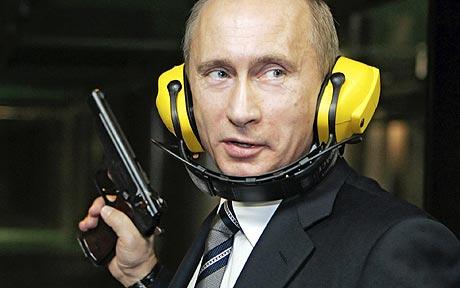
 Close allies of Russian President Vladimir Putin make extensive use of offshore holdings to shuffle large sums of money. Photo: AP Photo / Krill Kudryavtsev
 Iceland Prime Minister Sigmundur David Gunnlaugsson and his wife Anna Sigurlaug Pálsdóttir.
 The Ethan Allen tour boat brought to the surface after sinking in Lake George, New York. Photo: AP Photo / Mary Altaffer
 A sign for MF Corporate Services outside a buisness complex in Las Vegas, Nevada. Photo: McClatchy / Ronda Churchill















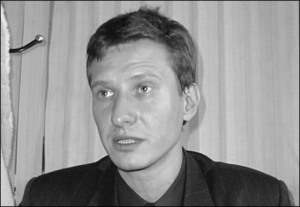 On January 19, 2009, Russian human rights attorney


![[Image]](https://i0.wp.com/cryptome.org/2012-info/free-syria/pict49.jpg)
![[Image]](https://i0.wp.com/cryptome.org/2012-info/free-syria/pict107.jpg)
![[Image]](https://i0.wp.com/cryptome.org/2012-info/free-syria/pict108.jpg)
![[Image]](https://i0.wp.com/cryptome.org/2012-info/free-syria/pict109.jpg)
![[Image]](https://i0.wp.com/cryptome.org/2012-info/free-syria/pict50.jpg)
![[Image]](https://i0.wp.com/cryptome.org/2012-info/free-syria/pict51.jpg)
![[Image]](https://i0.wp.com/cryptome.org/2012-info/free-syria/pict106.jpg)
![[Image]](https://i0.wp.com/cryptome.org/2012-info/free-syria/pict11.jpg)
![[Image]](https://i0.wp.com/cryptome.org/2012-info/free-syria/pict15.jpg)
![[Image]](https://i0.wp.com/cryptome.org/2012-info/free-syria/pict17.jpg)
![[Image]](https://i0.wp.com/cryptome.org/2012-info/free-syria/pict18.jpg)
![[Image]](https://i0.wp.com/cryptome.org/2012-info/free-syria/pict19.jpg)
![[Image]](https://i0.wp.com/cryptome.org/2012-info/free-syria/pict12.jpg)
![[Image]](https://i0.wp.com/cryptome.org/2012-info/free-syria/pict14.jpg)
![[Image]](https://i0.wp.com/cryptome.org/2012-info/free-syria/pict2.jpg)
![[Image]](https://i0.wp.com/cryptome.org/2012-info/free-syria/pict3.jpg)
![[Image]](https://i0.wp.com/cryptome.org/2012-info/free-syria/pict4.jpg)
![[Image]](https://i0.wp.com/cryptome.org/2012-info/free-syria/pict1.jpg)
![[Image]](https://i0.wp.com/cryptome.org/2012-info/free-syria/pict0.jpg)
![[Image]](https://i0.wp.com/cryptome.org/2012-info/free-syria/pict5.jpg)
![[Image]](https://i0.wp.com/cryptome.org/2012-info/free-syria/pict6.jpg)
![[Image]](https://i0.wp.com/cryptome.org/2012-info/free-syria/pict7.jpg)
![[Image]](https://i0.wp.com/cryptome.org/2012-info/free-syria/pict8.jpg)
![[Image]](https://i0.wp.com/cryptome.org/2012-info/free-syria/pict9.jpg)
![[Image]](https://i0.wp.com/cryptome.org/2012-info/free-syria/pict10.jpg)
![[Image]](https://i0.wp.com/cryptome.org/2012-info/free-syria/pict13.jpg)
![[Image]](https://i0.wp.com/cryptome.org/2012-info/free-syria/pict110.jpg)
![[Image]](https://i0.wp.com/cryptome.org/2012-info/free-syria/pict111.jpg)
![[Image]](https://i0.wp.com/cryptome.org/2012-info/pussy-riot/pict154.jpg)
![[Image]](https://i0.wp.com/cryptome.org/2012-info/pussy-riot/pict153.jpg)
![[Image]](https://i0.wp.com/cryptome.org/2012-info/pussy-riot/pict152.jpg)
![[Image]](https://i0.wp.com/cryptome.org/2012-info/pussy-riot/pict135.jpg)
![[Image]](https://i0.wp.com/cryptome.org/2012-info/pussy-riot/pict136.jpg)
![[Image]](https://i0.wp.com/cryptome.org/2012-info/pussy-riot/pict137.jpg)
![[Image]](https://i0.wp.com/cryptome.org/2012-info/pussy-riot/pict138.jpg)
![[Image]](https://i0.wp.com/cryptome.org/2012-info/pussy-riot/pict140.jpg)
![[Image]](https://i0.wp.com/cryptome.org/2012-info/pussy-riot/pict144.jpg)
![[Image]](https://i0.wp.com/cryptome.org/2012-info/pussy-riot/pict139.jpg)
![[Image]](https://i0.wp.com/cryptome.org/2012-info/pussy-riot/pict142.jpg)
![[Image]](https://i0.wp.com/cryptome.org/2012-info/pussy-riot/pict141.jpg)
![[Image]](https://i0.wp.com/cryptome.org/2012-info/pussy-riot/pict143.jpg)
![[Image]](https://i0.wp.com/cryptome.org/2012-info/pussy-riot/pict145.jpg)
![[Image]](https://i0.wp.com/cryptome.org/2012-info/pussy-riot/pict147.jpg)
![[Image]](https://i0.wp.com/cryptome.org/2012-info/pussy-riot/pict148.jpg)
![[Image]](https://i0.wp.com/cryptome.org/2012-info/pussy-riot/pict146.jpg)
![[Image]](https://i0.wp.com/cryptome.org/2012-info/pussy-riot/pict149.jpg)
![[Image]](https://i0.wp.com/cryptome.org/2012-info/pussy-riot/pict150.jpg)
![[Image]](https://i0.wp.com/cryptome.org/2012-info/pussy-riot/pict151.jpg)


![[Image]](https://i0.wp.com/cryptome.org/2012/06/wikileaks-trap1.jpg)
![[Image]](https://i0.wp.com/cryptome.org/2012/06/wikileaks-trap2.jpg)



![[Image]](https://i0.wp.com/cryptome.org/2012-info/fodor/pict0.jpg)
![[Image]](https://i0.wp.com/cryptome.org/2012-info/fodor/pict1.jpg)
![[Image]](https://i0.wp.com/cryptome.org/2012-info/fodor/pict2.jpg)
![[Image]](https://i0.wp.com/cryptome.org/2012-info/fodor/pict13.jpg)
![[Image]](https://i0.wp.com/cryptome.org/2012-info/fodor/pict10.jpg)
![[Image]](https://i0.wp.com/cryptome.org/2012-info/fodor/pict9.jpg)
![[Image]](https://i0.wp.com/cryptome.org/2012-info/fodor/pict11.jpg)
![[Image]](https://i0.wp.com/cryptome.org/2012-info/fodor/pict7.jpg)
![[Image]](https://i0.wp.com/cryptome.org/2012-info/fodor/pict6.jpg)
![[Image]](https://i0.wp.com/cryptome.org/2012-info/fodor/pict5.jpg)
![[Image]](https://i0.wp.com/cryptome.org/2012-info/fodor/pict3.jpg)
![[Image]](https://i0.wp.com/cryptome.org/2012-info/fodor/pict8.jpg)









![[Image]](https://i0.wp.com/cryptome.org/2012-info/daiichi-022012/pict35.jpg) A worker is given a radiation screening as he enters the emergency operation center at Tokyo Electric Power Co.’s tsunami-crippled Fukushima Dai-ichi nuclear power plant in Fukushima prefecture, northeastern Japan, Monday, Feb. 20, 2012. Japan next month marks one year since the March 11 tsunami and earthquake, which triggered the worst nuclear accident since Chernobyl in 1986. (Issei Kato)
A worker is given a radiation screening as he enters the emergency operation center at Tokyo Electric Power Co.’s tsunami-crippled Fukushima Dai-ichi nuclear power plant in Fukushima prefecture, northeastern Japan, Monday, Feb. 20, 2012. Japan next month marks one year since the March 11 tsunami and earthquake, which triggered the worst nuclear accident since Chernobyl in 1986. (Issei Kato)![[Image]](https://i0.wp.com/cryptome.org/2012-info/daiichi-022012/pict24.jpg) Destroyed unit 3 reactor building of Tokyo Electric Power Co.’s tsunami-crippled Fukushima Dai-ichi nuclear power plant is seen in Fukushima prefecture, northeastern Japan, Monday, Feb. 20, 2012. (Issei Kato)
Destroyed unit 3 reactor building of Tokyo Electric Power Co.’s tsunami-crippled Fukushima Dai-ichi nuclear power plant is seen in Fukushima prefecture, northeastern Japan, Monday, Feb. 20, 2012. (Issei Kato)![[Image]](https://i0.wp.com/cryptome.org/2012-info/daiichi-022012/pict29.jpg) Workers wearing protective suits and masks work atop of No. 4 reactor building of Tokyo Electric Power Co.’s tsunami-crippled Fukushima Dai-ichi nuclear power plant in Fukushima prefecture, northern Japan, Monday, Feb. 20, 2012. (Issei Kato)
Workers wearing protective suits and masks work atop of No. 4 reactor building of Tokyo Electric Power Co.’s tsunami-crippled Fukushima Dai-ichi nuclear power plant in Fukushima prefecture, northern Japan, Monday, Feb. 20, 2012. (Issei Kato)![[Image]](https://i0.wp.com/cryptome.org/2012-info/daiichi-022012/pict25.jpg) A worker wearing protective suit and mask works atop of destroyed unit 4 reactor building of Tokyo Electric Power Co.’s tsunami-crippled Fukushima Dai-ichi nuclear power plant in Fukushima prefecture, northeastern Japan, Monday, Feb 20, 2012. (Issei Kato)
A worker wearing protective suit and mask works atop of destroyed unit 4 reactor building of Tokyo Electric Power Co.’s tsunami-crippled Fukushima Dai-ichi nuclear power plant in Fukushima prefecture, northeastern Japan, Monday, Feb 20, 2012. (Issei Kato)![[Image]](https://i0.wp.com/cryptome.org/2012-info/daiichi-022012/pict26.jpg) Tokyo Electric Power Co.’s reactor buildings, from right, No.4, No.3, and No.2 [damaged No.2 has been enclosed, see following photo], are seen at tsunami-crippled Fukushima Dai-ichi nuclear power plant in Fukushima prefecture, northeastern Japan, Monday, Feb. 20, 2012. (Issei Kato)
Tokyo Electric Power Co.’s reactor buildings, from right, No.4, No.3, and No.2 [damaged No.2 has been enclosed, see following photo], are seen at tsunami-crippled Fukushima Dai-ichi nuclear power plant in Fukushima prefecture, northeastern Japan, Monday, Feb. 20, 2012. (Issei Kato)![[Image]](https://i0.wp.com/cryptome.org/2012-info/daiichi-022012/pict31.jpg) The unit 2 reactor building of Tokyo Electric Power Co.’s tsunami-crippled Fukushima Dai-ichi nuclear power plant is seen through a bus window during a press tour in Fukushima prefecture, northeastern Japan, Monday, Feb. 20, 2012. (Issei Kato)
The unit 2 reactor building of Tokyo Electric Power Co.’s tsunami-crippled Fukushima Dai-ichi nuclear power plant is seen through a bus window during a press tour in Fukushima prefecture, northeastern Japan, Monday, Feb. 20, 2012. (Issei Kato)![[Image]](https://i0.wp.com/cryptome.org/2012-info/daiichi-022012/pict28.jpg) Tokyo Electric Power Co.’s tsunami-crippled Fukushima Dai-ichi nuclear power plant is seen from bus window during a press tour in Fukushima prefecture, northeastern Japan, Monday, Feb. 20, 2012. (Issei Kato)
Tokyo Electric Power Co.’s tsunami-crippled Fukushima Dai-ichi nuclear power plant is seen from bus window during a press tour in Fukushima prefecture, northeastern Japan, Monday, Feb. 20, 2012. (Issei Kato)![[Image]](https://i0.wp.com/cryptome.org/2012-info/daiichi-022012/pict34.jpg) Workers wearing protective suits and masks construct water tanks, seen through a bus window during a press tour at Tokyo Electric Power Co.’s tsunami-crippled Fukushima Dai-ichi nuclear power plant in Fukushima prefecture, northeastern Japan, Monday, Feb. 20, 2012. (Issei Kato)
Workers wearing protective suits and masks construct water tanks, seen through a bus window during a press tour at Tokyo Electric Power Co.’s tsunami-crippled Fukushima Dai-ichi nuclear power plant in Fukushima prefecture, northeastern Japan, Monday, Feb. 20, 2012. (Issei Kato)![[Image]](https://i0.wp.com/cryptome.org/2012-info/daiichi-022012/pict33.jpg) Unit 6, left, and unit 5 reactor buildings of Tokyo Electric Power Co.’s tsunami-crippled Fukushima Dai-ichi nuclear power plant are seen through a bus window during a press tour in Fukushima prefecture, northeastern Japan, Monday, Feb. 20, 2012. (Issei Kato)
Unit 6, left, and unit 5 reactor buildings of Tokyo Electric Power Co.’s tsunami-crippled Fukushima Dai-ichi nuclear power plant are seen through a bus window during a press tour in Fukushima prefecture, northeastern Japan, Monday, Feb. 20, 2012. (Issei Kato)![[Image]](https://i0.wp.com/cryptome.org/2012-info/daiichi-022012/pict32.jpg) Trucks are overturned before the Unit 4 reactor building of stricken Fukushima Dai-ichi nuclear power plant of Tokyo Electric Power Co., in Okuma town, Fukushima prefecture, northeastern Japan Tuesday, Feb. 28, 2012. (Yoshikazu Tsuno)
Trucks are overturned before the Unit 4 reactor building of stricken Fukushima Dai-ichi nuclear power plant of Tokyo Electric Power Co., in Okuma town, Fukushima prefecture, northeastern Japan Tuesday, Feb. 28, 2012. (Yoshikazu Tsuno)![[Image]](https://i0.wp.com/cryptome.org/2012-info/daiichi-022012/pict27.jpg) Stricken Fukushima Dai-ichi nuclear power plant buildings of Tokyo Electric Power Co., are seen in Okuma town, Fukushima prefecture, northeastern Japan Tuesday, Feb. 28, 2012. (Yoshikazu Tsuno)
Stricken Fukushima Dai-ichi nuclear power plant buildings of Tokyo Electric Power Co., are seen in Okuma town, Fukushima prefecture, northeastern Japan Tuesday, Feb. 28, 2012. (Yoshikazu Tsuno)![[Image]](https://i0.wp.com/cryptome.org/2012-info/daiichi-022012/pict30.jpg) A journalist checks radiation level with her dosimeter near stricken Fukushima Dai-ichi nuclear power plant of Tokyo Electric Power Co., during a press tour led by TEPCO officials, in Okuma town, Fukushima prefecture, northeastern Japan Tuesday, Feb. 28, 2012. (Yoshikazu Tsuno)
A journalist checks radiation level with her dosimeter near stricken Fukushima Dai-ichi nuclear power plant of Tokyo Electric Power Co., during a press tour led by TEPCO officials, in Okuma town, Fukushima prefecture, northeastern Japan Tuesday, Feb. 28, 2012. (Yoshikazu Tsuno)


![[Image]](https://i0.wp.com/cryptome.org/2012-info/putin-protest/pict19.jpg) In this Saturday, Feb. 4, 2012 photo, Dmitry Polosov, 25, a scientist, holds a poster reading “for the honor society, for responsible for every act, for freedom of knowledge, for good in the hearts, for love in the minds” as he poses in front of a white canvas placed in the middle of the crowd at a massive protest against Prime Minister Vladimir Putin’s rule in Bolotnaya square in Moscow. Despite temperatures plunging to minus 20 C (minus 4 F), thousands of Russians took to the streets of Moscow to challenge Putin’s bid.
In this Saturday, Feb. 4, 2012 photo, Dmitry Polosov, 25, a scientist, holds a poster reading “for the honor society, for responsible for every act, for freedom of knowledge, for good in the hearts, for love in the minds” as he poses in front of a white canvas placed in the middle of the crowd at a massive protest against Prime Minister Vladimir Putin’s rule in Bolotnaya square in Moscow. Despite temperatures plunging to minus 20 C (minus 4 F), thousands of Russians took to the streets of Moscow to challenge Putin’s bid.![[Image]](https://i0.wp.com/cryptome.org/2012-info/putin-protest/pict12.jpg) In this Saturday, Feb. 4, 2012 photo, Tatyana Lazareva, 46, a television presenter, holds a poster reading “move on to the next level” as she poses in front of a white canvas placed in the middle of the crowd at a massive protest against Prime Minister Vladimir Putin’s rule in Bolotnaya square in Moscow.
In this Saturday, Feb. 4, 2012 photo, Tatyana Lazareva, 46, a television presenter, holds a poster reading “move on to the next level” as she poses in front of a white canvas placed in the middle of the crowd at a massive protest against Prime Minister Vladimir Putin’s rule in Bolotnaya square in Moscow.![[Image]](https://i0.wp.com/cryptome.org/2012-info/putin-protest/pict14.jpg) In this Saturday, Feb. 4, 2012 photo, Vyacheslav Barannikov, 38, an engineer, wears a white ribbon reading “For Russia without Putin” as he poses in front of a white canvas placed in the middle of the crowd at a massive protest against Prime Minister Vladimir Putin’s rule in Bolotnaya square in Moscow.
In this Saturday, Feb. 4, 2012 photo, Vyacheslav Barannikov, 38, an engineer, wears a white ribbon reading “For Russia without Putin” as he poses in front of a white canvas placed in the middle of the crowd at a massive protest against Prime Minister Vladimir Putin’s rule in Bolotnaya square in Moscow.![[Image]](https://i0.wp.com/cryptome.org/2012-info/putin-protest/pict8.jpg) In this Saturday, Feb. 4, 2012 photo, Yekaterina, 26, a translator, wears a scarf with the name of presidential contender Mikhail Prokhorov as she poses in front of a white canvas placed in the middle of the crowd at a massive protest against Prime Minister Vladimir Putin’s rule in Bolotnaya square in Moscow.
In this Saturday, Feb. 4, 2012 photo, Yekaterina, 26, a translator, wears a scarf with the name of presidential contender Mikhail Prokhorov as she poses in front of a white canvas placed in the middle of the crowd at a massive protest against Prime Minister Vladimir Putin’s rule in Bolotnaya square in Moscow.![[Image]](https://i0.wp.com/cryptome.org/2012-info/putin-protest/pict9.jpg) In this Saturday, Feb. 4, 2012 photo, Kirill, 26, a scientist, wears a scarf with the name of presidential contender Mikhail Prokhorov as he poses in front of a white canvas placed in the middle of the crowd at a massive protest against Prime Minister Vladimir Putin’s rule in Bolotnaya square in Moscow.
In this Saturday, Feb. 4, 2012 photo, Kirill, 26, a scientist, wears a scarf with the name of presidential contender Mikhail Prokhorov as he poses in front of a white canvas placed in the middle of the crowd at a massive protest against Prime Minister Vladimir Putin’s rule in Bolotnaya square in Moscow.![[Image]](https://i0.wp.com/cryptome.org/2012-info/putin-protest/pict13.jpg) In this Saturday, Feb. 4, 2012 photo, Nina Lipkina, 53, unemployed, poses in front of a white canvas placed in the middle of the crowd at a massive protest against Prime Minister Vladimir Putin’s rule in Bolotnaya square in Moscow.
In this Saturday, Feb. 4, 2012 photo, Nina Lipkina, 53, unemployed, poses in front of a white canvas placed in the middle of the crowd at a massive protest against Prime Minister Vladimir Putin’s rule in Bolotnaya square in Moscow.![[Image]](https://i0.wp.com/cryptome.org/2012-info/putin-protest/pict10.jpg) In this Saturday, Feb. 4, 2012 photo, Gennady, 73, a pensioner, poses in front of a white canvas placed in the middle of the crowd at a massive protest against Prime Minister Vladimir Putin’s rule in Bolotnaya square in Moscow.
In this Saturday, Feb. 4, 2012 photo, Gennady, 73, a pensioner, poses in front of a white canvas placed in the middle of the crowd at a massive protest against Prime Minister Vladimir Putin’s rule in Bolotnaya square in Moscow.![[Image]](https://i0.wp.com/cryptome.org/2012-info/putin-protest/pict17.jpg) In this Saturday, Feb. 4, 2012 photo, Yana Romanova, 35, a designer, wears a white ribbon reading “For Russia without Putin” as she poses in front of a white canvas placed in the middle of the crowd at a massive protest against Prime Minister Vladimir Putin’s rule in Bolotnaya square in Moscow.
In this Saturday, Feb. 4, 2012 photo, Yana Romanova, 35, a designer, wears a white ribbon reading “For Russia without Putin” as she poses in front of a white canvas placed in the middle of the crowd at a massive protest against Prime Minister Vladimir Putin’s rule in Bolotnaya square in Moscow.![[Image]](https://i0.wp.com/cryptome.org/2012-info/putin-protest/pict11.jpg) In this Saturday, Feb. 4, 2012 photo, Artur Gazarov, 43, wears a white ribbon reading “For Russia without Putin” as he poses in front of a white canvas placed in the middle of the crowd at a massive protest against Prime Minister Vladimir Putin’s rule in Bolotnaya square in Moscow.
In this Saturday, Feb. 4, 2012 photo, Artur Gazarov, 43, wears a white ribbon reading “For Russia without Putin” as he poses in front of a white canvas placed in the middle of the crowd at a massive protest against Prime Minister Vladimir Putin’s rule in Bolotnaya square in Moscow.![[Image]](https://i0.wp.com/cryptome.org/2012-info/putin-protest/pict20.jpg) In this Saturday, Feb. 4, 2012 photo, Liliya Pevter, 62, a pensioner, poses in front of a white canvas placed in the middle of the crowd at a massive protest against Prime Minister Vladimir Putin’s rule in Bolotnaya square in Moscow.
In this Saturday, Feb. 4, 2012 photo, Liliya Pevter, 62, a pensioner, poses in front of a white canvas placed in the middle of the crowd at a massive protest against Prime Minister Vladimir Putin’s rule in Bolotnaya square in Moscow.![[Image]](https://i0.wp.com/cryptome.org/2012-info/putin-protest/pict15.jpg) In this Saturday, Feb. 4, 2012 photo, Igor German, 23, an engineer, poses in front of a white canvas placed in the middle of the crowd at a massive protest against Prime Minister Vladimir Putin’s rule in Bolotnaya square in Moscow.
In this Saturday, Feb. 4, 2012 photo, Igor German, 23, an engineer, poses in front of a white canvas placed in the middle of the crowd at a massive protest against Prime Minister Vladimir Putin’s rule in Bolotnaya square in Moscow.![[Image]](https://i0.wp.com/cryptome.org/2012-info/putin-protest/pict16.jpg) In this Saturday, Feb. 4, 2012 photo, Mikhail Shats, 46, an actor, poses in front of a white canvas placed in the middle of the crowd at a massive protest against Prime Minister Vladimir Putin’s rule in Bolotnaya square in Moscow.
In this Saturday, Feb. 4, 2012 photo, Mikhail Shats, 46, an actor, poses in front of a white canvas placed in the middle of the crowd at a massive protest against Prime Minister Vladimir Putin’s rule in Bolotnaya square in Moscow.![[Image]](https://i0.wp.com/cryptome.org/2012-info/putin-protest/pict18.jpg) In this Saturday, Feb. 4, 2012 photo, Dima Kuzmich, 29, a bank employee, poses in front of a white canvas placed in the middle of the crowd at a massive protest against Prime Minister Vladimir Putin’s rule in Bolotnaya square in Moscow.
In this Saturday, Feb. 4, 2012 photo, Dima Kuzmich, 29, a bank employee, poses in front of a white canvas placed in the middle of the crowd at a massive protest against Prime Minister Vladimir Putin’s rule in Bolotnaya square in Moscow.


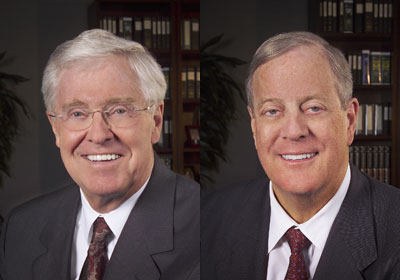


 Preet Bhrara, Verfasser der Anklage
![[Image]](https://i0.wp.com/cryptome.org/2012-info/megaupload/pict73.jpg) Megaupload.com employees Bram van der Kolk, also known as Bramos, left, Finn Batato,second from left, Mathias Ortmann and founder, former CEO and current chief innovation officer of Megaupload.com Kim Dotcom (also known as Kim Schmitz and Kim Tim Jim Vestor), right, appear in North Shore District Court in Auckland, New Zealand, Friday, Jan. 20, 2012.
Megaupload.com employees Bram van der Kolk, also known as Bramos, left, Finn Batato,second from left, Mathias Ortmann and founder, former CEO and current chief innovation officer of Megaupload.com Kim Dotcom (also known as Kim Schmitz and Kim Tim Jim Vestor), right, appear in North Shore District Court in Auckland, New Zealand, Friday, Jan. 20, 2012. German Internet millionaire Kim Schmitz arrives for. a trial at a district court in Munich in these May 27, 2002 file photos. New Zealand police broke through electronic locks and cut their way into a mansion safe room to arrest the alleged kingpin of an international Internet copyright theft case and seize millions of dollars worth of cars, artwork and other goods. German national Schmitz, also known as Kim Dotcom, was one of four men arrested in Auckland on January 20, 2012, in an investigation of the Megaupload.com website led by the U.S. Federal Bureau of Investigation. Reuters
![[Image]](https://i0.wp.com/cryptome.org/2012-info/megaupload/pict75.jpg) In this April 30, 2007 file photo, attorney Robert Bennett speaks in Washington. Bennett, one of the nation’s most prominent defense lawyers will represent file-sharing website Megaupload on charges that the company used its popular site to orchestrate a massive piracy scheme that enabled millions of illegal downloads of movies and other content. (J. Scott Applewhite)
In this April 30, 2007 file photo, attorney Robert Bennett speaks in Washington. Bennett, one of the nation’s most prominent defense lawyers will represent file-sharing website Megaupload on charges that the company used its popular site to orchestrate a massive piracy scheme that enabled millions of illegal downloads of movies and other content. (J. Scott Applewhite)![[Image]](https://i0.wp.com/cryptome.org/2012-info/megaupload/pict72.jpg) Tow trucks wait to remove vehicles from Kim Dotcom’s house in Coatesville, north west of Auckland, New Zealand Friday, Jan. 20, 2012. Police arrested founder Kim Dotcom and three employees of Megaupload.com, a giant Internet file-sharing site, on U.S. accusations that they facilitated millions of illegal downloads of films, music and other content costing copyright holders at least $500 million in lost revenue. (Natalie Slade)
Tow trucks wait to remove vehicles from Kim Dotcom’s house in Coatesville, north west of Auckland, New Zealand Friday, Jan. 20, 2012. Police arrested founder Kim Dotcom and three employees of Megaupload.com, a giant Internet file-sharing site, on U.S. accusations that they facilitated millions of illegal downloads of films, music and other content costing copyright holders at least $500 million in lost revenue. (Natalie Slade)![[Image]](https://i0.wp.com/cryptome.org/2012-info/megaupload/pict78.jpg) A general view shows the Dotcom Mansion, home of Megaupload founder Kim Dotcom, in Coatesville, Auckland, January 21, 2012. The U.S. government shut down the Megaupload.com content sharing website, charging its founders and several employees with massive copyright infringement, the latest skirmish in a high-profile battle against piracy of movies and music. The U.S. Department of Justice announced the indictment and arrests of four company executives in New Zealand on Friday as debate over online piracy reaches fever pitch in Washington where lawmakers are trying to craft tougher legislation. Reuters
A general view shows the Dotcom Mansion, home of Megaupload founder Kim Dotcom, in Coatesville, Auckland, January 21, 2012. The U.S. government shut down the Megaupload.com content sharing website, charging its founders and several employees with massive copyright infringement, the latest skirmish in a high-profile battle against piracy of movies and music. The U.S. Department of Justice announced the indictment and arrests of four company executives in New Zealand on Friday as debate over online piracy reaches fever pitch in Washington where lawmakers are trying to craft tougher legislation. Reuters![[Image]](https://i0.wp.com/cryptome.org/2012-info/megaupload/pict79.jpg) A broken intercom system is seen after a police raid at Dotcom Mansion, home of accused Kim Dotcom, who founded the Megaupload.com site and ran it from the $30 million mansion in Coatesville, Auckland January 21, 2012. The U.S. government shut down the Megaupload.com content sharing website, charging its founders and several employees with massive copyright infringement, the latest skirmish in a high-profile battle against piracy of movies and music. New Zealand police on Friday raided a mansion in Auckland and arrested Kim Dotcom, also known as Kim Schmitz, 37, a German national with New Zealand residency. Reuters
A broken intercom system is seen after a police raid at Dotcom Mansion, home of accused Kim Dotcom, who founded the Megaupload.com site and ran it from the $30 million mansion in Coatesville, Auckland January 21, 2012. The U.S. government shut down the Megaupload.com content sharing website, charging its founders and several employees with massive copyright infringement, the latest skirmish in a high-profile battle against piracy of movies and music. New Zealand police on Friday raided a mansion in Auckland and arrested Kim Dotcom, also known as Kim Schmitz, 37, a German national with New Zealand residency. Reuters![[Image]](https://i0.wp.com/cryptome.org/2012-info/megaupload/pict77.jpg) An entrance to Megaupload’s office at a hotel in Hong Kong is seen in this Hong Kong government handout photo released late January 20, 2012. The Hong Kong government said on Friday over HK$300 million ($38.4 million) worth of proceeds from Megaupload were seized in the country in joint operations by Hong Kong customs and U.S. authorities. The U.S. government shut down the Megaupload.com content sharing website, charging its founders and several employees with massive copyright infringement, the latest skirmish in a high-profile battle against piracy of movies and music. Reuters
An entrance to Megaupload’s office at a hotel in Hong Kong is seen in this Hong Kong government handout photo released late January 20, 2012. The Hong Kong government said on Friday over HK$300 million ($38.4 million) worth of proceeds from Megaupload were seized in the country in joint operations by Hong Kong customs and U.S. authorities. The U.S. government shut down the Megaupload.com content sharing website, charging its founders and several employees with massive copyright infringement, the latest skirmish in a high-profile battle against piracy of movies and music. Reuters![[Image]](https://i0.wp.com/cryptome.org/2012-info/megaupload/pict74.jpg) In this photo taken Friday, Jan. 20,2012, provided by the Government Information Service in Hong Kong, large-scale high-speed servers set up at Megaupload’s office are shown inside a hotel room in Hong Kong. Customs officials said they seized more than $42.5 million in assets from the Hong Kong based company. The U.S. government shut down Megaupload’s file-sharing website on Thursday, alleging that the company facilitated illegal downloads of copyrighted movies and other content.
In this photo taken Friday, Jan. 20,2012, provided by the Government Information Service in Hong Kong, large-scale high-speed servers set up at Megaupload’s office are shown inside a hotel room in Hong Kong. Customs officials said they seized more than $42.5 million in assets from the Hong Kong based company. The U.S. government shut down Megaupload’s file-sharing website on Thursday, alleging that the company facilitated illegal downloads of copyrighted movies and other content.![[Image]](https://i0.wp.com/cryptome.org/2012-info/megaupload/pict76.jpg) A masked hacker, part of the Anonymous group, hacks the French presidential Elysee Palace website on January 20, 2012 near the eastern city of Lyon. Anonymous, which briefly knocked the FBI and Justice Department websites offline in retaliation for the US shutdown of file-sharing site Megaupload, is a shadowy group of international hackers with no central hierarchy. On the left screen, an Occupy mask is seen. Getty
A masked hacker, part of the Anonymous group, hacks the French presidential Elysee Palace website on January 20, 2012 near the eastern city of Lyon. Anonymous, which briefly knocked the FBI and Justice Department websites offline in retaliation for the US shutdown of file-sharing site Megaupload, is a shadowy group of international hackers with no central hierarchy. On the left screen, an Occupy mask is seen. Getty![[Image]](https://i0.wp.com/cryptome.org/2012-info/costa-concordia/pict29.jpg) Italian naval divers approach the cruise ship Costa Concordia Tuesday, Jan. 17, 2012, after running aground on the tiny Tuscan island of Giglio, Italy, on Friday evening. Italian naval divers on Tuesday exploded holes in the hull of a cruise ship grounded off a Tuscan island to speed the search for 29 missing people while seas were still calm. One official said there was still a “glimmer of hope” that survivors could be found.
Italian naval divers approach the cruise ship Costa Concordia Tuesday, Jan. 17, 2012, after running aground on the tiny Tuscan island of Giglio, Italy, on Friday evening. Italian naval divers on Tuesday exploded holes in the hull of a cruise ship grounded off a Tuscan island to speed the search for 29 missing people while seas were still calm. One official said there was still a “glimmer of hope” that survivors could be found.![[Image]](https://i0.wp.com/cryptome.org/2012-info/costa-concordia/pict30.jpg) Italian naval divers work on the cruise ship Costa Concordia Tuesday, Jan. 17, 2012, after running aground on the tiny Tuscan island of Giglio, Italy, on Friday evening.
Italian naval divers work on the cruise ship Costa Concordia Tuesday, Jan. 17, 2012, after running aground on the tiny Tuscan island of Giglio, Italy, on Friday evening.![[Image]](https://i0.wp.com/cryptome.org/2012-info/costa-concordia/pict31.jpg) The cruise ship Costa Concordia leans on its side Tuesday, Jan. 17, 2012, after running aground on the tiny Tuscan island of Giglio, Italy, on Friday evening.
The cruise ship Costa Concordia leans on its side Tuesday, Jan. 17, 2012, after running aground on the tiny Tuscan island of Giglio, Italy, on Friday evening.![[Image]](https://i0.wp.com/cryptome.org/2012-info/costa-concordia/pict32.jpg) Italian navy divers approach the cruise ship Costa Concordia in the tiny Tuscan island of Giglio, Italy, Tuesday, Jan. 17, 2012.
Italian navy divers approach the cruise ship Costa Concordia in the tiny Tuscan island of Giglio, Italy, Tuesday, Jan. 17, 2012.![[Image]](https://i0.wp.com/cryptome.org/2012-info/costa-concordia/pict12.jpg) Oil removal ships near the cruise ship Costa Concordia leaning on its side Monday, Jan. 16, 2012, after running aground near the tiny Tuscan island of Giglio, Italy, last Friday night. The rescue operation was called off mid-afternoon Monday after the Costa Concordia shifted a few inches (centimeters) in rough seas. The fear is that if the ship shifts significantly, some 500,000 gallons of fuel may begin to leak into the pristine waters. (Gregorio Borgia)
Oil removal ships near the cruise ship Costa Concordia leaning on its side Monday, Jan. 16, 2012, after running aground near the tiny Tuscan island of Giglio, Italy, last Friday night. The rescue operation was called off mid-afternoon Monday after the Costa Concordia shifted a few inches (centimeters) in rough seas. The fear is that if the ship shifts significantly, some 500,000 gallons of fuel may begin to leak into the pristine waters. (Gregorio Borgia)![[Image]](https://i0.wp.com/cryptome.org/2012-info/costa-concordia/pict24.jpg) The cruise ship Costa Concordia leans on its side Monday, Jan.16, 2012, after running aground near the tiny Tuscan island of Giglio, Italy, last Friday. The rescue operation was called off mid-afternoon Monday after the Costa Concordia shifted a few inches (centimeters) in rough seas. The fear is that if the ship shifts significantly, some 500,000 gallons of fuel may begin to leak. (Gregorio Borgia)
The cruise ship Costa Concordia leans on its side Monday, Jan.16, 2012, after running aground near the tiny Tuscan island of Giglio, Italy, last Friday. The rescue operation was called off mid-afternoon Monday after the Costa Concordia shifted a few inches (centimeters) in rough seas. The fear is that if the ship shifts significantly, some 500,000 gallons of fuel may begin to leak. (Gregorio Borgia)![[Image]](https://i0.wp.com/cryptome.org/2012-info/costa-concordia/pict22.jpg) In this underwater photo released by the Italian Coast Guard Monday, Jan. 16, 2012 the cruise ship Costa Concordia leans on its side, after it ran aground near the tiny Tuscan island of Isola del Giglio, Italy. (Italian Coast Guard)
In this underwater photo released by the Italian Coast Guard Monday, Jan. 16, 2012 the cruise ship Costa Concordia leans on its side, after it ran aground near the tiny Tuscan island of Isola del Giglio, Italy. (Italian Coast Guard)![[Image]](https://i0.wp.com/cryptome.org/2012-info/costa-concordia/pict23.jpg) In this underwater photo taken on Jan. 13 and released by the Italian Coast Guard Monday, Jan. 16, 2012 a view of the cruise ship Costa Concordia, after it ran aground near the tiny Tuscan island of Giglio, Italy. Italian rescue officials say a passenger’s body has been found in the wreckage of the Costa Concordia cruise ship, raising to six the number of confirmed dead in the disaster. Sixteen people remain unaccounted-for. (Italian Coast Guard)
In this underwater photo taken on Jan. 13 and released by the Italian Coast Guard Monday, Jan. 16, 2012 a view of the cruise ship Costa Concordia, after it ran aground near the tiny Tuscan island of Giglio, Italy. Italian rescue officials say a passenger’s body has been found in the wreckage of the Costa Concordia cruise ship, raising to six the number of confirmed dead in the disaster. Sixteen people remain unaccounted-for. (Italian Coast Guard)![[Image]](https://i0.wp.com/cryptome.org/2012-info/costa-concordia/pict17.jpg) In this photo released by the Italian Coast Guard Monday, Jan. 16, 2012 a coast guard scuba diver makes his way through floating pieces of furniture inside the cruise ship Costa Concordia Sunday Jan. 15. 2012,after it run aground off the tiny Tuscan island of Giglio, Italy. Italian rescue officials say a passenger’s body has been found in the wreckage of the Costa Concordia cruise ship, raising to six the number of confirmed dead in the disaster. Sixteen people remain unaccounted-for.
In this photo released by the Italian Coast Guard Monday, Jan. 16, 2012 a coast guard scuba diver makes his way through floating pieces of furniture inside the cruise ship Costa Concordia Sunday Jan. 15. 2012,after it run aground off the tiny Tuscan island of Giglio, Italy. Italian rescue officials say a passenger’s body has been found in the wreckage of the Costa Concordia cruise ship, raising to six the number of confirmed dead in the disaster. Sixteen people remain unaccounted-for.![[Image]](https://i0.wp.com/cryptome.org/2012-info/costa-concordia/pict15.jpg) Italian rescue personnel are seen atop the Costa Concordia cruise liner, two days after it ran aground off the tiny Tuscan island of Giglio, Italy, Monday, Jan. 16, 2012. The captain of a cruise liner that ran aground and capsized off the Tuscan coast faced accusations from authorities and passengers that he abandoned ship before everyone was safely evacuated as rescuers found another body on the overturned vessel. (Gregorio Borgia)
Italian rescue personnel are seen atop the Costa Concordia cruise liner, two days after it ran aground off the tiny Tuscan island of Giglio, Italy, Monday, Jan. 16, 2012. The captain of a cruise liner that ran aground and capsized off the Tuscan coast faced accusations from authorities and passengers that he abandoned ship before everyone was safely evacuated as rescuers found another body on the overturned vessel. (Gregorio Borgia)![[Image]](https://i0.wp.com/cryptome.org/2012-info/costa-concordia/pict25.jpg) Italian firefighters scuba divers work on the cruise ship Costa Concordia two days after it run aground the tiny Tuscan island of Giglio, Italy, Monday, Jan. 16, 2012. Italian rescue officials say a passenger’s body has been found in the wreckage of the Costa Concordia cruise ship, raising to six the number of confirmed dead in the disaster. Sixteen people remain unaccounted-for. (Gregorio Borgia)
Italian firefighters scuba divers work on the cruise ship Costa Concordia two days after it run aground the tiny Tuscan island of Giglio, Italy, Monday, Jan. 16, 2012. Italian rescue officials say a passenger’s body has been found in the wreckage of the Costa Concordia cruise ship, raising to six the number of confirmed dead in the disaster. Sixteen people remain unaccounted-for. (Gregorio Borgia)![[Image]](https://i0.wp.com/cryptome.org/2012-info/costa-concordia/pict26.jpg) Italian rescue divers approach the Costa Concordia cruise liner, two days after it run aground off tiny Tuscan island of Giglio, Italy, Monday, Jan. 16, 2012. The captain of a cruise liner that ran aground and capsized off the Tuscan coast faced accusations from authorities and passengers that he abandoned ship before everyone was safely evacuated as rescuers found another body on the overturned vessel. (Gregorio Borgia)
Italian rescue divers approach the Costa Concordia cruise liner, two days after it run aground off tiny Tuscan island of Giglio, Italy, Monday, Jan. 16, 2012. The captain of a cruise liner that ran aground and capsized off the Tuscan coast faced accusations from authorities and passengers that he abandoned ship before everyone was safely evacuated as rescuers found another body on the overturned vessel. (Gregorio Borgia)![[Image]](https://i0.wp.com/cryptome.org/2012-info/costa-concordia/pict8.jpg) Italian Firefighters scuba divers work aboard the luxury cruise ship Costa Concordia which ran aground off the tiny Tuscan island of Giglio, Italy, Sunday, Jan. 15, 2012. Firefighters worked Sunday to rescue a crew member with a suspected broken leg from the overturned hulk of the cruise liner, 36 hours after it ran aground. More than 40 people are still unaccounted-for. (Remo Casilli)
Italian Firefighters scuba divers work aboard the luxury cruise ship Costa Concordia which ran aground off the tiny Tuscan island of Giglio, Italy, Sunday, Jan. 15, 2012. Firefighters worked Sunday to rescue a crew member with a suspected broken leg from the overturned hulk of the cruise liner, 36 hours after it ran aground. More than 40 people are still unaccounted-for. (Remo Casilli)![[Image]](https://i0.wp.com/cryptome.org/2012-info/costa-concordia/pict16.jpg) Italian firefighters approach the luxury cruise ship Costa Concordia which ran aground off the tiny Tuscan island of Giglio, Italy, Sunday, Jan. 15, 2012. (Remo Casilli)
Italian firefighters approach the luxury cruise ship Costa Concordia which ran aground off the tiny Tuscan island of Giglio, Italy, Sunday, Jan. 15, 2012. (Remo Casilli)![[Image]](https://i0.wp.com/cryptome.org/2012-info/costa-concordia/pict11.jpg) Italian firefighters’ scuba divers approach the luxury cruise ship Costa Concordia which ran aground off the tiny Tuscan island of Giglio, Italy, Sunday, Jan. 15, 2012. (Gregorio Borgia)
Italian firefighters’ scuba divers approach the luxury cruise ship Costa Concordia which ran aground off the tiny Tuscan island of Giglio, Italy, Sunday, Jan. 15, 2012. (Gregorio Borgia)![[Image]](https://i0.wp.com/cryptome.org/2012-info/costa-concordia/pict6.jpg) Italian firefighters scuba divers approach the cruise ship Costa Concordia leaning on its side, the day after running aground the tiny Tuscan island of Giglio, Italy, Sunday, Jan. 15, 2012. A helicopter on Sunday airlifted a third survivor from the capsized hulk of a luxury cruise ship 36 hours after it ran aground off the Italian coast, as prosecutors confirmed they were investigating the captain for manslaughter charges and abandoning the ship. (Gregorio Borgia)
Italian firefighters scuba divers approach the cruise ship Costa Concordia leaning on its side, the day after running aground the tiny Tuscan island of Giglio, Italy, Sunday, Jan. 15, 2012. A helicopter on Sunday airlifted a third survivor from the capsized hulk of a luxury cruise ship 36 hours after it ran aground off the Italian coast, as prosecutors confirmed they were investigating the captain for manslaughter charges and abandoning the ship. (Gregorio Borgia)![[Image]](https://i0.wp.com/cryptome.org/2012-info/costa-concordia/pict33.jpg) Italian Navy scuba divers approach the cruise ship Costa Concordia leaning on its side, the day after running aground the tiny Tuscan island of Giglio, Italy, Sunday, Jan. 15, 2012. A helicopter on Sunday airlifted a third survivor from the capsized hulk of a luxury cruise ship 36 hours after it ran aground off the Italian coast, as prosecutors confirmed they were investigating the captain for manslaughter charges and abandoning the ship. (Gregorio Borgia)
Italian Navy scuba divers approach the cruise ship Costa Concordia leaning on its side, the day after running aground the tiny Tuscan island of Giglio, Italy, Sunday, Jan. 15, 2012. A helicopter on Sunday airlifted a third survivor from the capsized hulk of a luxury cruise ship 36 hours after it ran aground off the Italian coast, as prosecutors confirmed they were investigating the captain for manslaughter charges and abandoning the ship. (Gregorio Borgia)![[Image]](https://i0.wp.com/cryptome.org/2012-info/costa-concordia/pict7.jpg)
![[Image]](https://i0.wp.com/cryptome.org/2012-info/costa-concordia/pict13.jpg) Investigators approach the luxury cruise ship Costa Concordia which leans on its starboard side after running aground in the tiny Tuscan island of Isola del Giglio, Italy, Sunday, Jan. 15, 2012. The Costa Concordia cruise ship ran aground off the coast of Tuscany, sending water pouring in through a 160-foot (50-meter) gash in the hull and forcing the evacuation of some 4,200 people from the listing vessel early Saturday, the Italian coast guard said. (Gregorio Borgia)
Investigators approach the luxury cruise ship Costa Concordia which leans on its starboard side after running aground in the tiny Tuscan island of Isola del Giglio, Italy, Sunday, Jan. 15, 2012. The Costa Concordia cruise ship ran aground off the coast of Tuscany, sending water pouring in through a 160-foot (50-meter) gash in the hull and forcing the evacuation of some 4,200 people from the listing vessel early Saturday, the Italian coast guard said. (Gregorio Borgia)![[Image]](https://i0.wp.com/cryptome.org/2012-info/costa-concordia/pict14.jpg) Firefighters work on the luxury cruise ship Costa Concordia the day after it run aground off the tiny Tuscan island of Giglio, Italy, Sunday, Jan. 15, 2012. The Italian Coast Guard says its divers have found two more bodies aboard the stricken Costa Concordia cruise ship. The discovery of the bodies brings to five the number of known dead after the luxury ship ran aground with some 4,200 people aboard on Friday night. (Andrea Sinibaldi)
Firefighters work on the luxury cruise ship Costa Concordia the day after it run aground off the tiny Tuscan island of Giglio, Italy, Sunday, Jan. 15, 2012. The Italian Coast Guard says its divers have found two more bodies aboard the stricken Costa Concordia cruise ship. The discovery of the bodies brings to five the number of known dead after the luxury ship ran aground with some 4,200 people aboard on Friday night. (Andrea Sinibaldi)![[Image]](https://i0.wp.com/cryptome.org/2012-info/costa-concordia/pict28.jpg) The cruise ship Costa Concordia leans on its side, after it ran aground off the tiny Tuscan island of Giglio, Italy, Sunday, Jan. 15, 2012. A helicopter on Sunday airlifted a third survivor from the capsized hulk of a luxury cruise ship 36 hours after it ran aground off the Italian coast, as prosecutors confirmed they were investigating the captain for manslaughter charges and abandoning the ship. (Gregorio Borgia)
The cruise ship Costa Concordia leans on its side, after it ran aground off the tiny Tuscan island of Giglio, Italy, Sunday, Jan. 15, 2012. A helicopter on Sunday airlifted a third survivor from the capsized hulk of a luxury cruise ship 36 hours after it ran aground off the Italian coast, as prosecutors confirmed they were investigating the captain for manslaughter charges and abandoning the ship. (Gregorio Borgia)![[Image]](https://i0.wp.com/cryptome.org/2012-info/costa-concordia/pict27.jpg) Italian Navy scuba divers prepare to search the wreck of the luxury cruise ship Costa Concordia that ran aground in the tiny Tuscan island of Isola del Giglio, Italy, Sunday, Jan. 15, 2012. The Costa Concordia cruise ship ran aground off the coast of Tuscany, sending water pouring in through a 160-foot (50-meter) gash in the hull and forcing the evacuation of some 4,200 people from the listing vessel early Saturday, the Italian coast guard said. (Gregorio Borgia)
Italian Navy scuba divers prepare to search the wreck of the luxury cruise ship Costa Concordia that ran aground in the tiny Tuscan island of Isola del Giglio, Italy, Sunday, Jan. 15, 2012. The Costa Concordia cruise ship ran aground off the coast of Tuscany, sending water pouring in through a 160-foot (50-meter) gash in the hull and forcing the evacuation of some 4,200 people from the listing vessel early Saturday, the Italian coast guard said. (Gregorio Borgia)![[Image]](https://i0.wp.com/cryptome.org/2012-info/costa-concordia/pict21.jpg) An Italian firefighter helicopter lifts up a person from the luxury cruise ship Costa Concordia which ran aground the off tiny Tuscan island of Giglio, Italy, Sunday, Jan. 15, 2012. Firefighters worked Sunday to rescue a crew member with a suspected broken leg from the overturned hulk of the luxury cruise liner Costa Concordia, 36 hours after it ran aground. More than 40 people are still unaccounted-for. (Gregorio Borgia)
An Italian firefighter helicopter lifts up a person from the luxury cruise ship Costa Concordia which ran aground the off tiny Tuscan island of Giglio, Italy, Sunday, Jan. 15, 2012. Firefighters worked Sunday to rescue a crew member with a suspected broken leg from the overturned hulk of the luxury cruise liner Costa Concordia, 36 hours after it ran aground. More than 40 people are still unaccounted-for. (Gregorio Borgia)![[Image]](https://i0.wp.com/cryptome.org/2012-info/costa-concordia/pict34.jpg) Italian Coast guard personnel recovers the black box of the luxury cruise ship Costa Concordia after running aground the tiny Tuscan island of Giglio, Italy, Saturday, Jan. 14, 2012. A luxury cruise ship ran aground off the coast of Tuscany, sending water pouring in through a 160-foot (50-meter) gash in the hull and forcing the evacuation of some 4,200 people from the listing vessel early Saturday, the Italian coast guard said. (Gregorio Borgia)
Italian Coast guard personnel recovers the black box of the luxury cruise ship Costa Concordia after running aground the tiny Tuscan island of Giglio, Italy, Saturday, Jan. 14, 2012. A luxury cruise ship ran aground off the coast of Tuscany, sending water pouring in through a 160-foot (50-meter) gash in the hull and forcing the evacuation of some 4,200 people from the listing vessel early Saturday, the Italian coast guard said. (Gregorio Borgia)![[Image]](https://i0.wp.com/cryptome.org/2012-info/costa-concordia/pict36.jpg) Passengers of the luxury ship that ran aground off the coast of Tuscany board a bus in Porto Santo Stefano, Italy, Saturday, Jan. 14, 2012. A luxury cruise ship ran aground off the coast of Tuscany, gashing open the hull and taking on water, forcing some 4,200 people aboard to evacuate aboard lifeboats to a nearby island early Saturday. At least three were dead, the Italian coast guard said. Three bodies were recovered from the sea, said Coast Guard Cmdr. Francesco Paolillo. (Gregorio Borgia)
Passengers of the luxury ship that ran aground off the coast of Tuscany board a bus in Porto Santo Stefano, Italy, Saturday, Jan. 14, 2012. A luxury cruise ship ran aground off the coast of Tuscany, gashing open the hull and taking on water, forcing some 4,200 people aboard to evacuate aboard lifeboats to a nearby island early Saturday. At least three were dead, the Italian coast guard said. Three bodies were recovered from the sea, said Coast Guard Cmdr. Francesco Paolillo. (Gregorio Borgia)![[Image]](https://i0.wp.com/cryptome.org/2012-info/costa-concordia/pict18.jpg) This photo acquired by the Associated Press from a passenger of the luxury ship that ran aground off the coast of Tuscany shows rescued passengers arriving at the Giglio island harbor, Saturday, Jan. 14, 2012. A luxury cruise ship ran aground off the coast of Tuscany, gashing open the hull and taking on water, forcing some 4,200 people aboard to evacuate aboard lifeboats to a nearby island early Saturday. At least three were dead, the Italian coast guard said.
This photo acquired by the Associated Press from a passenger of the luxury ship that ran aground off the coast of Tuscany shows rescued passengers arriving at the Giglio island harbor, Saturday, Jan. 14, 2012. A luxury cruise ship ran aground off the coast of Tuscany, gashing open the hull and taking on water, forcing some 4,200 people aboard to evacuate aboard lifeboats to a nearby island early Saturday. At least three were dead, the Italian coast guard said.![[Image]](https://i0.wp.com/cryptome.org/2012-info/costa-concordia/pict42.jpg) This photo acquired by the Associated Press from a passenger of the luxury ship that ran aground off the coast of Tuscany shows fellow passengers wearing life-vests on board the Costa Concordia as they wait to be evacuated, Saturday, Jan. 14, 2012. A luxury cruise ship ran aground off the coast of Tuscany, sending water pouring in through a 160-foot (50-meter) gash in the hull and forcing the evacuation of some 4,200 people from the listing vessel early Saturday, the Italian coast guard said.
This photo acquired by the Associated Press from a passenger of the luxury ship that ran aground off the coast of Tuscany shows fellow passengers wearing life-vests on board the Costa Concordia as they wait to be evacuated, Saturday, Jan. 14, 2012. A luxury cruise ship ran aground off the coast of Tuscany, sending water pouring in through a 160-foot (50-meter) gash in the hull and forcing the evacuation of some 4,200 people from the listing vessel early Saturday, the Italian coast guard said.![[Image]](https://i0.wp.com/cryptome.org/2012-info/costa-concordia/pict35.jpg) In this photo released by the Guardia di Finanza (Border Police), the luxury cruise ship Costa Concordia leans on its side after running aground off the tiny Tuscan island of Giglio, Italy, Saturday, Jan. 14, 2012. The luxury cruise ship ran aground off the coast of Tuscany, sending water pouring in through a 160-foot (50-meter) gash in the hull and forcing the evacuation of some 4,200 people from the listing vessel early Saturday, the Italian coast guard said. (Guardia di Finanza)
In this photo released by the Guardia di Finanza (Border Police), the luxury cruise ship Costa Concordia leans on its side after running aground off the tiny Tuscan island of Giglio, Italy, Saturday, Jan. 14, 2012. The luxury cruise ship ran aground off the coast of Tuscany, sending water pouring in through a 160-foot (50-meter) gash in the hull and forcing the evacuation of some 4,200 people from the listing vessel early Saturday, the Italian coast guard said. (Guardia di Finanza)![[Image]](https://i0.wp.com/cryptome.org/2012-info/costa-concordia/pict40.jpg) In this photo released by the Guardia di Finanza (border Police), the luxury cruise ship Costa Concordia leans on its side after running aground off the tiny Tuscan island of Giglio, Italy, Saturday, Jan. 14, 2012. The luxury cruise ship ran aground off the coast of Tuscany, sending water pouring in through a 160-foot (50-meter) gash in the hull and forcing the evacuation of some 4,200 people from the listing vessel early Saturday, the Italian coast guard said. [Costa Concordia yellow lifeboats at lower right.]
In this photo released by the Guardia di Finanza (border Police), the luxury cruise ship Costa Concordia leans on its side after running aground off the tiny Tuscan island of Giglio, Italy, Saturday, Jan. 14, 2012. The luxury cruise ship ran aground off the coast of Tuscany, sending water pouring in through a 160-foot (50-meter) gash in the hull and forcing the evacuation of some 4,200 people from the listing vessel early Saturday, the Italian coast guard said. [Costa Concordia yellow lifeboats at lower right.]![[Image]](https://i0.wp.com/cryptome.org/2012-info/costa-concordia/pict10.jpg) The luxury cruise ship Costa Concordia leans after it ran aground off the coast of the Isola del Giglio island, Italy, gashing open the hull and forcing some 4,200 people aboard to evacuate aboard lifeboats to the nearby Isola del Giglio island, early Saturday, Jan. 14, 2012. About 1,000 Italian passengers were onboard, as well as more than 500 Germans, about 160 French and about 1,000 crew members. (Giorgio Fanciulli)
The luxury cruise ship Costa Concordia leans after it ran aground off the coast of the Isola del Giglio island, Italy, gashing open the hull and forcing some 4,200 people aboard to evacuate aboard lifeboats to the nearby Isola del Giglio island, early Saturday, Jan. 14, 2012. About 1,000 Italian passengers were onboard, as well as more than 500 Germans, about 160 French and about 1,000 crew members. (Giorgio Fanciulli)![[Image]](https://i0.wp.com/cryptome.org/2012-info/costa-concordia/pict19.jpg) The luxury cruise ship Costa Concordia sails from Limassol, Cyprus in this April 2009 photo. The ship ran aground off the coast of Isola del Giglio island, Italy, gashing open the hull and forcing some 4,200 people aboard to evacuate aboard lifeboats to the nearby Isola del Giglio island, early Saturday, Jan. 14, 2012.
The luxury cruise ship Costa Concordia sails from Limassol, Cyprus in this April 2009 photo. The ship ran aground off the coast of Isola del Giglio island, Italy, gashing open the hull and forcing some 4,200 people aboard to evacuate aboard lifeboats to the nearby Isola del Giglio island, early Saturday, Jan. 14, 2012.

![[Image]](https://i0.wp.com/cryptome.org/2012/01/0029.jpg)


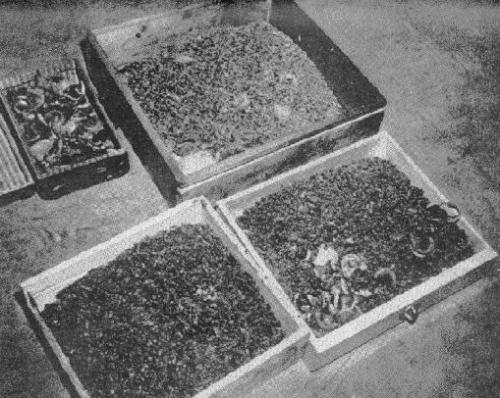

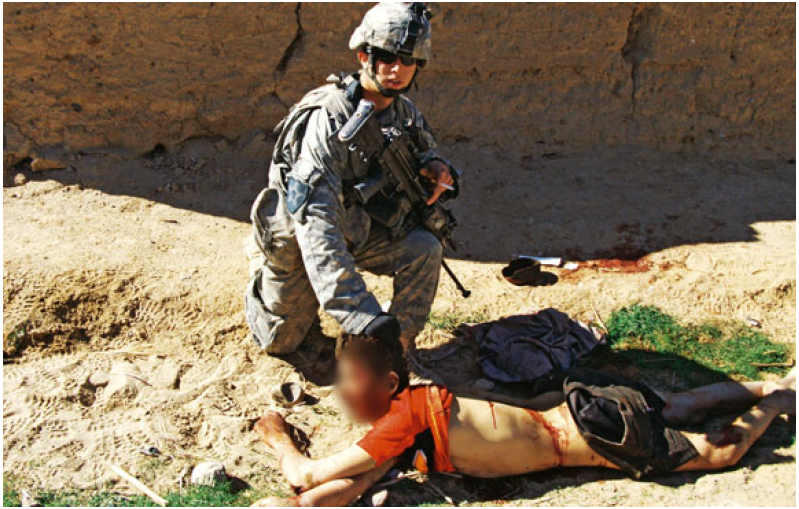
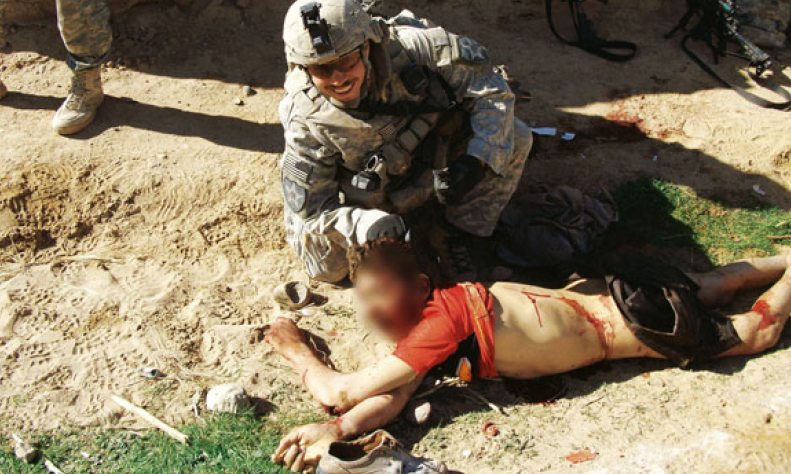
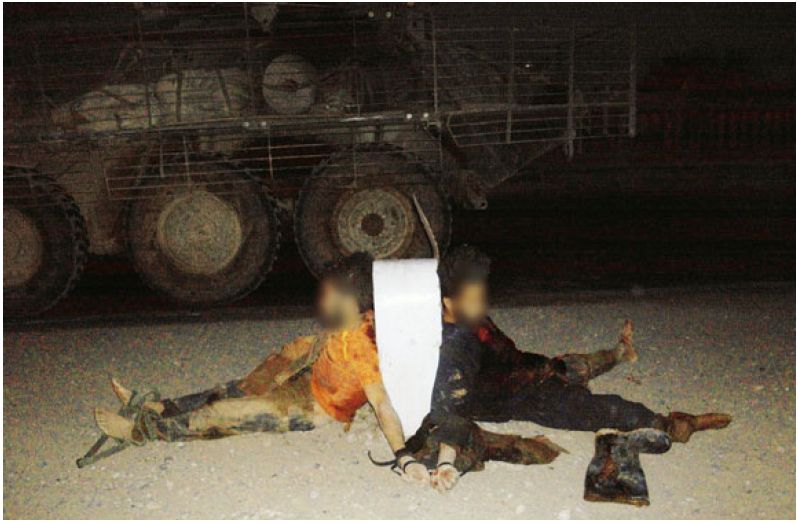


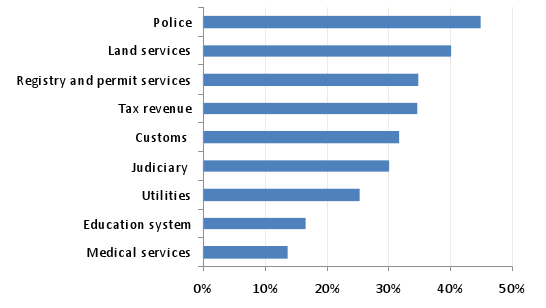



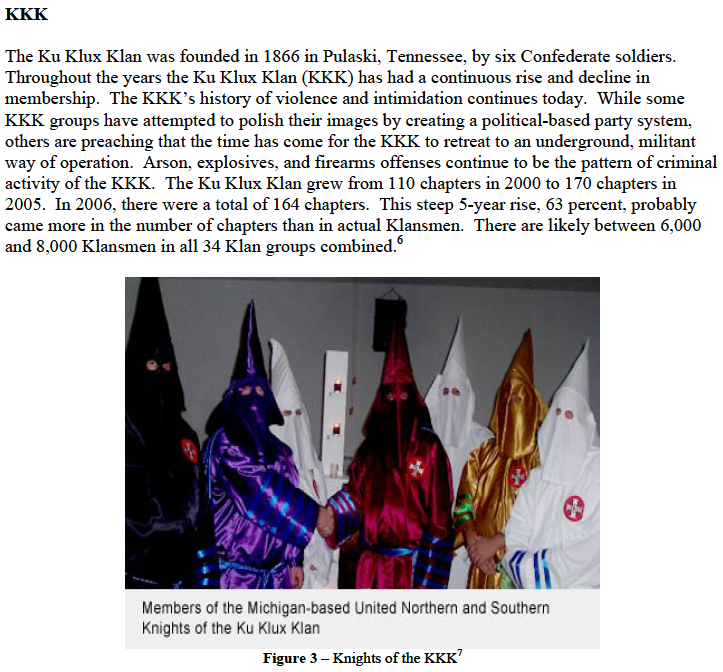
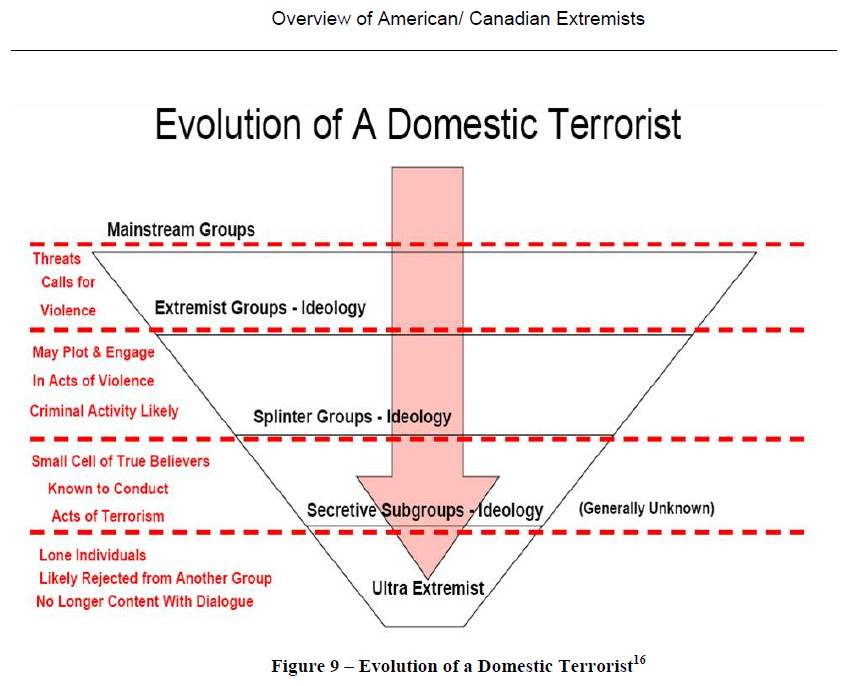


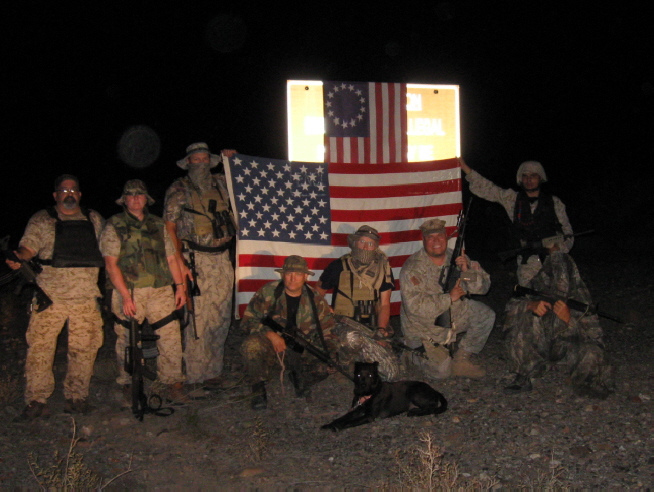
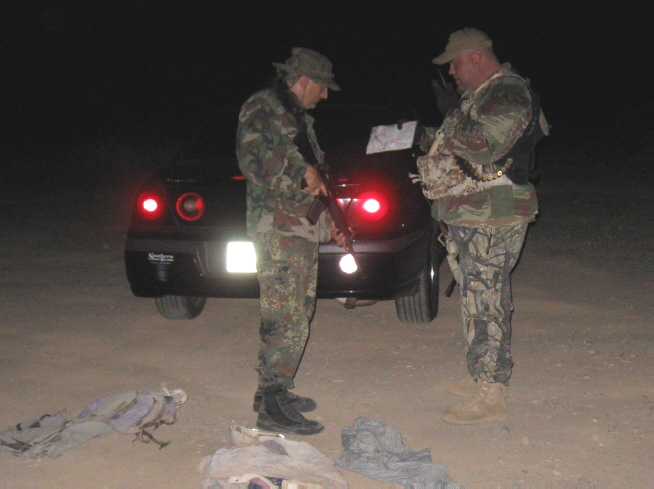

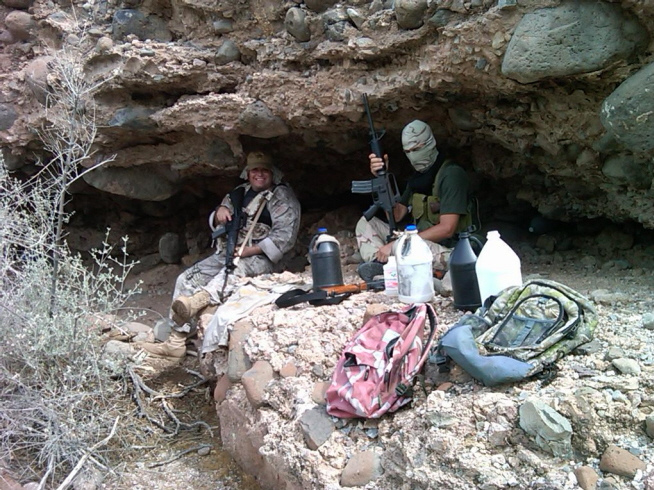
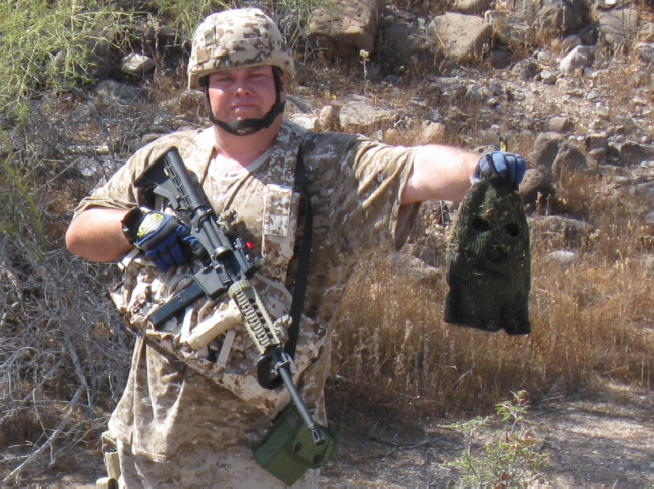

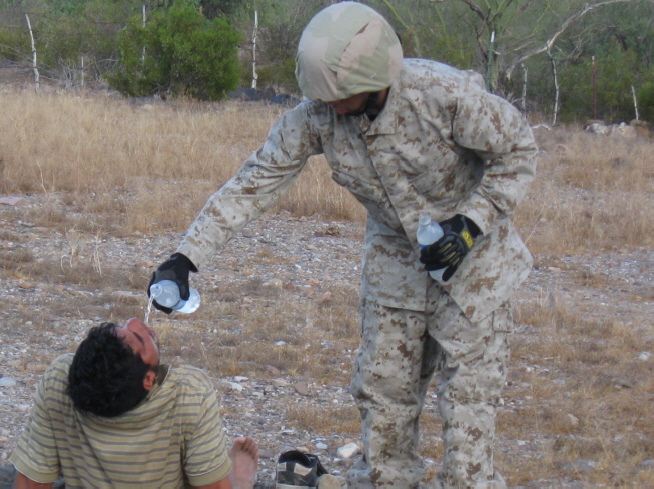
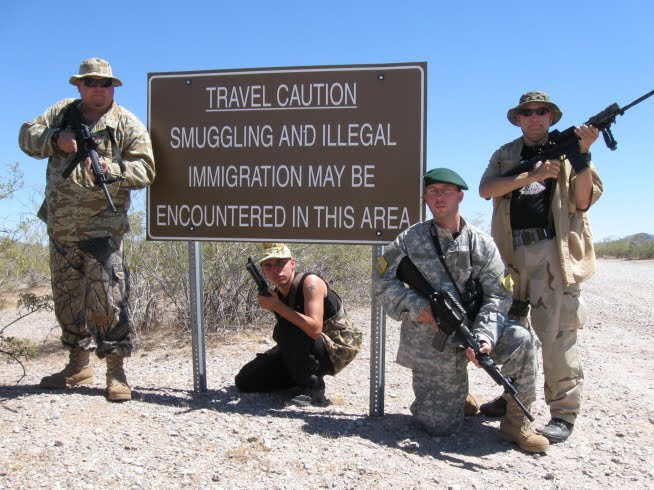
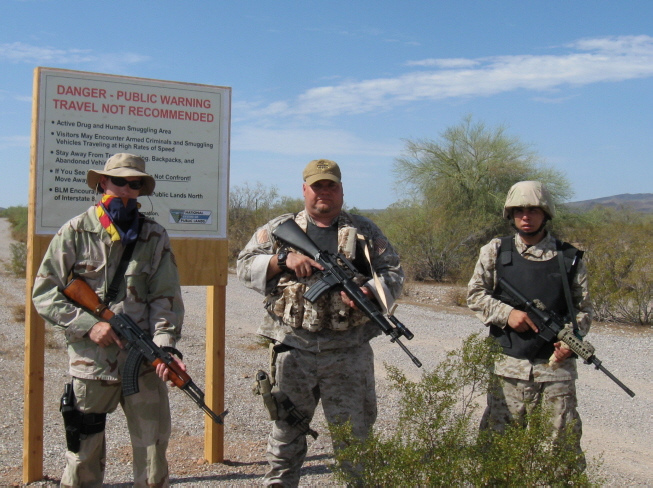

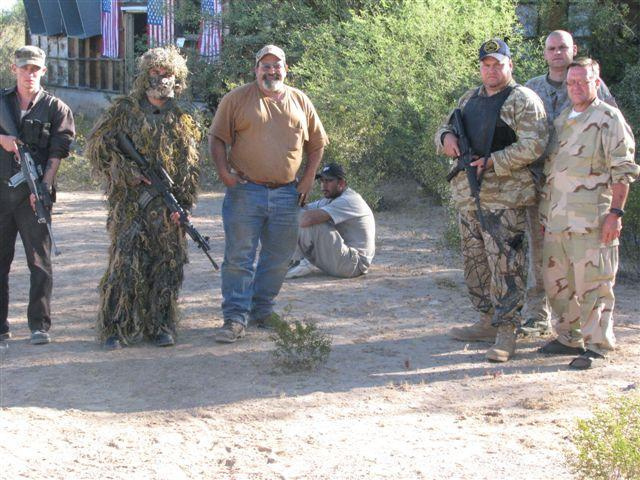
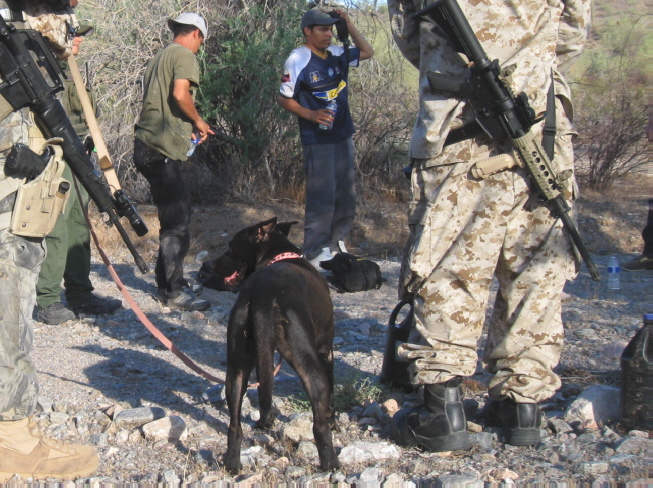
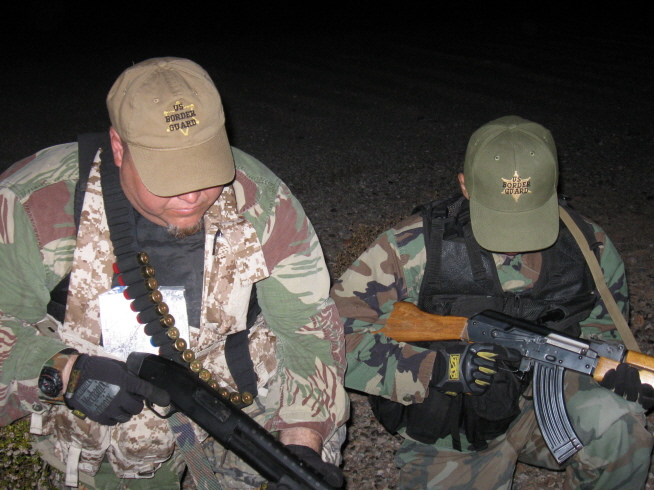





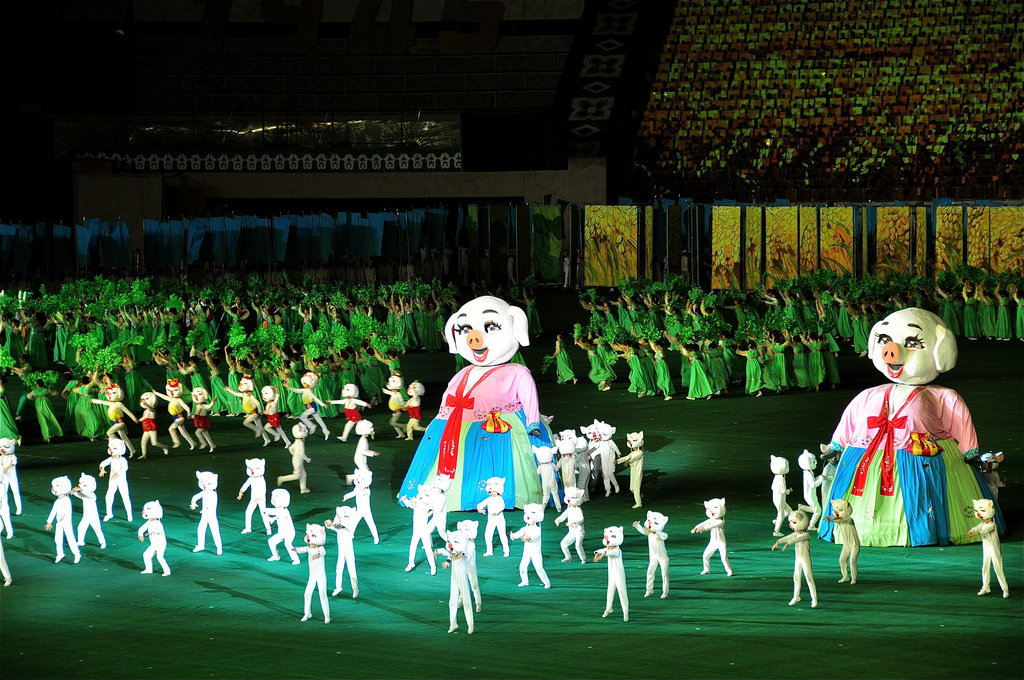

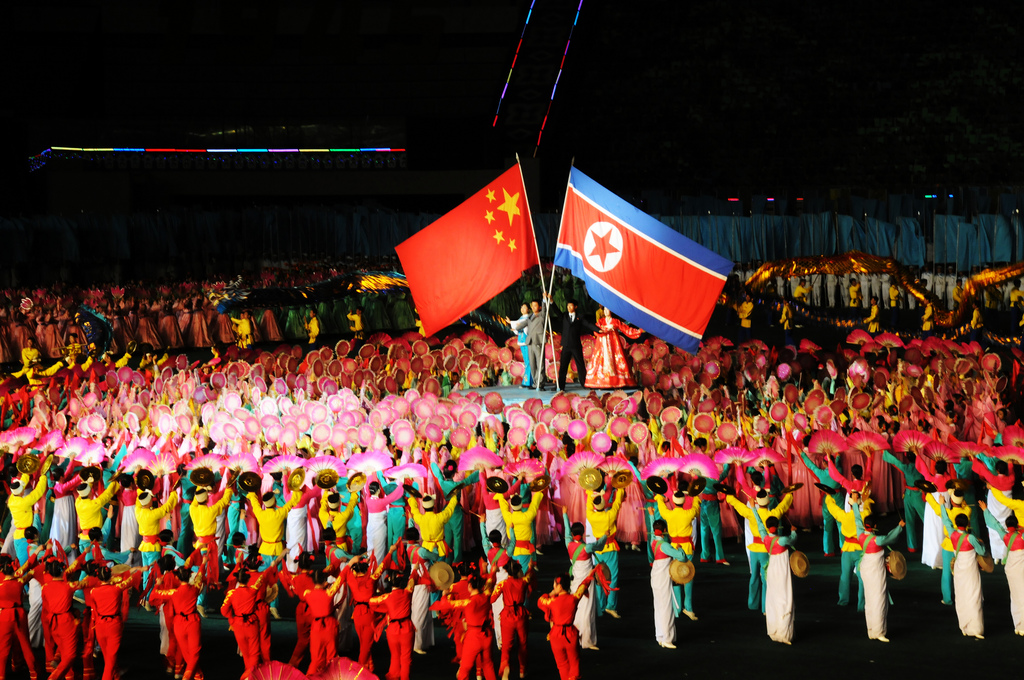
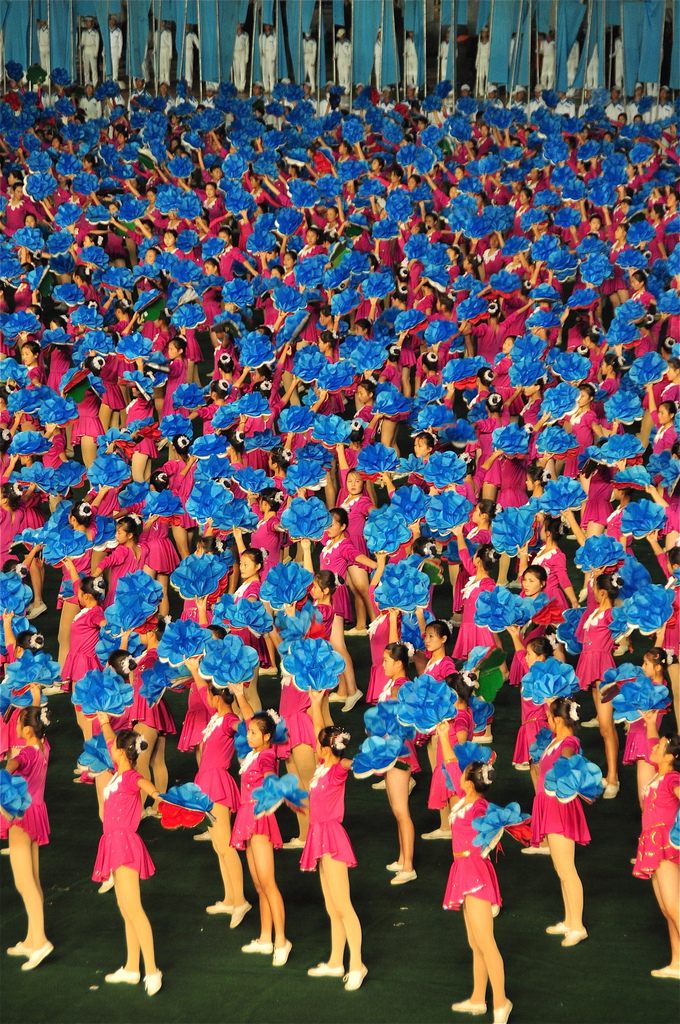
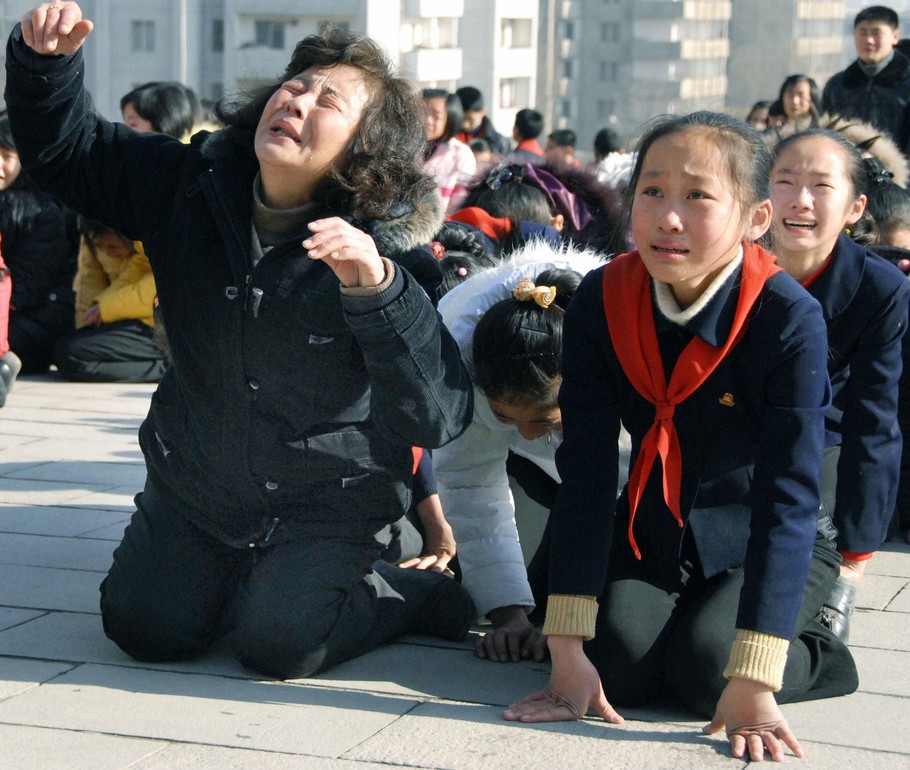
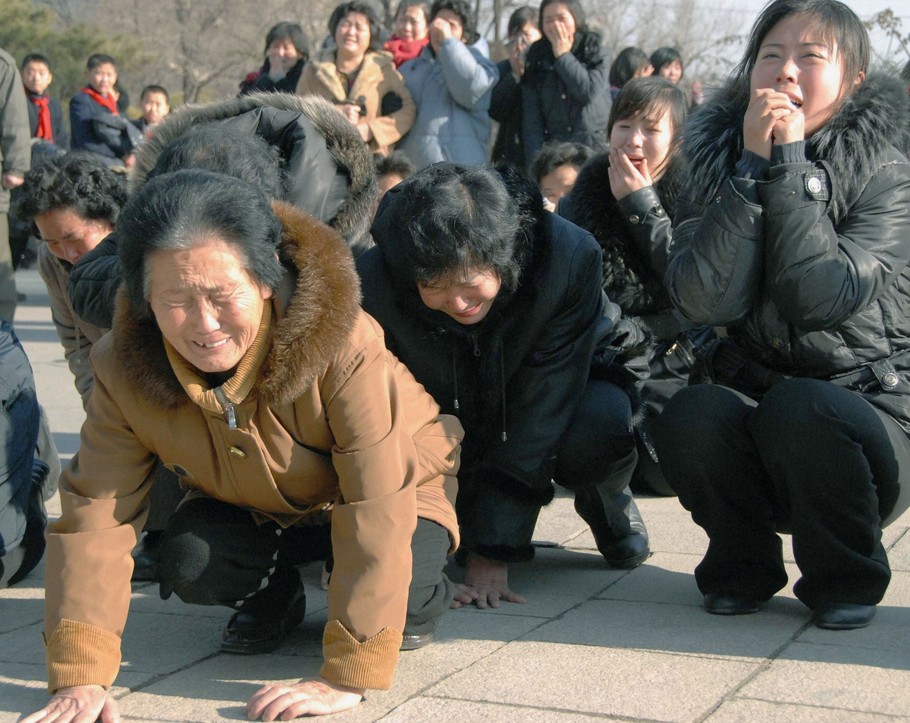
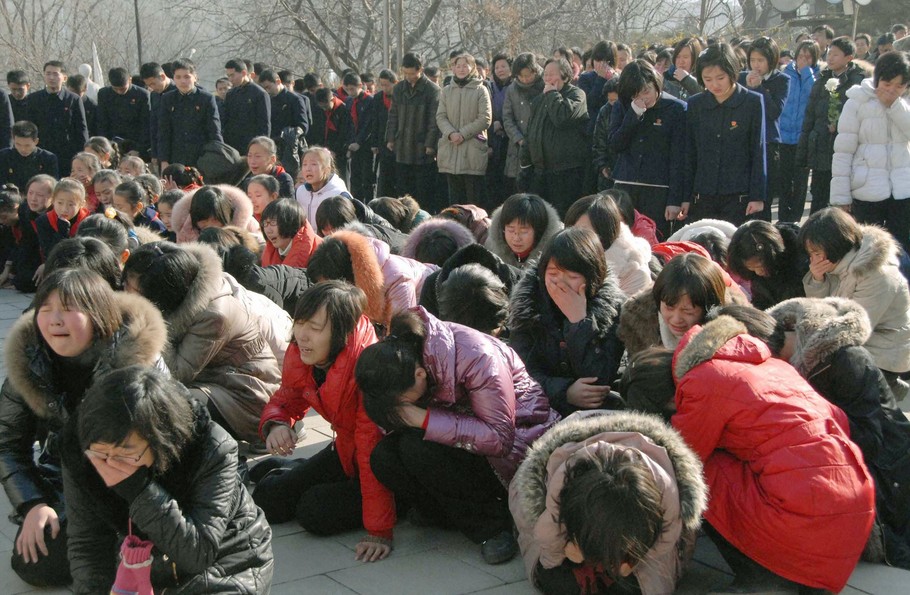


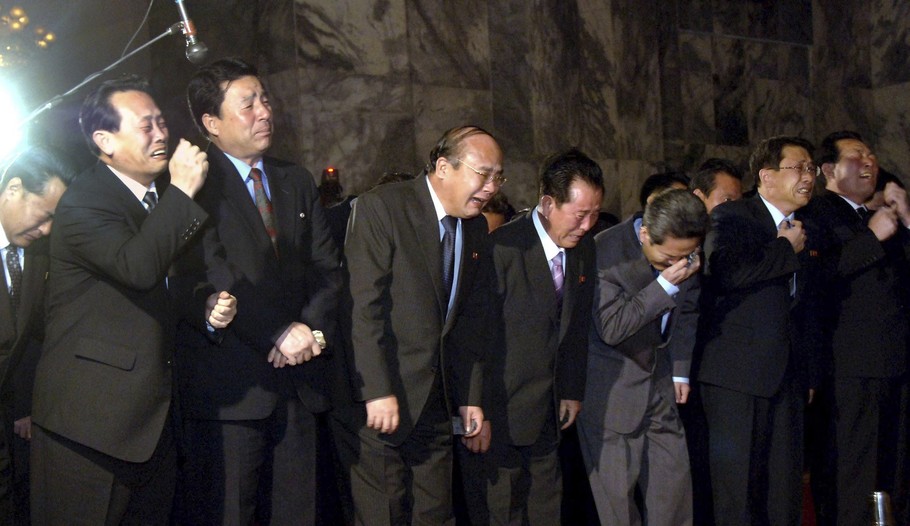

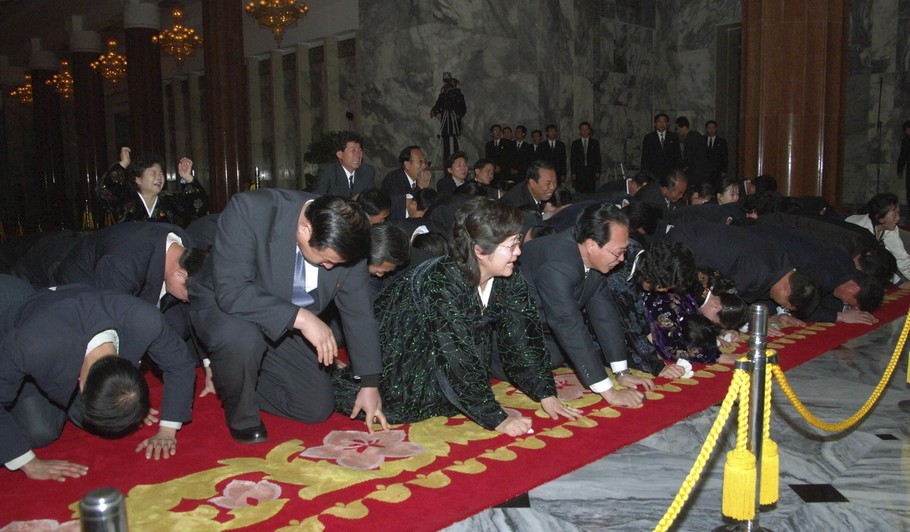

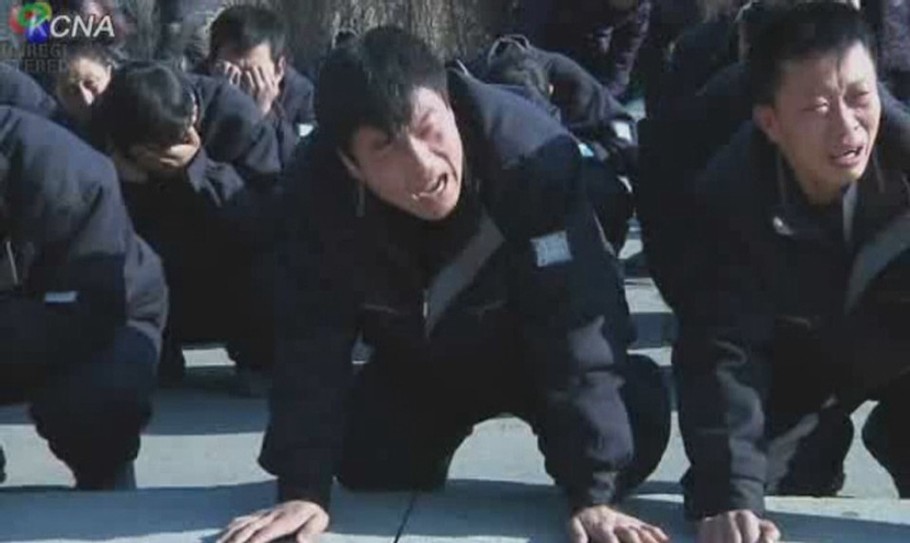


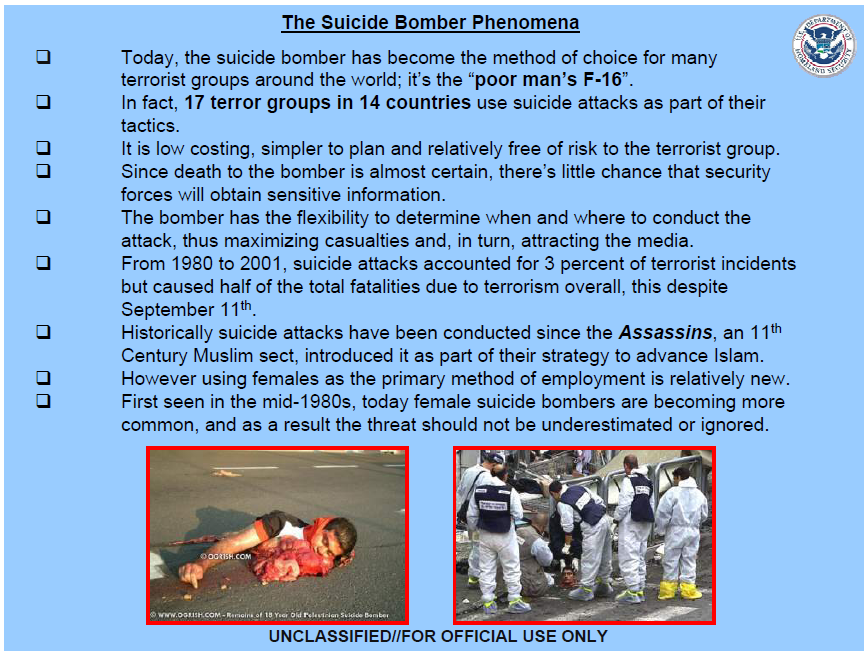
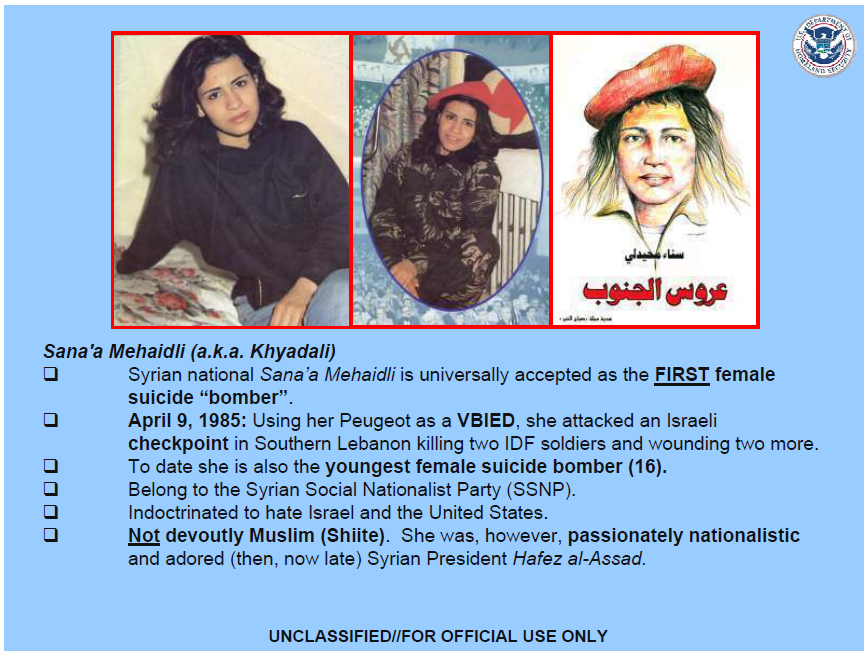

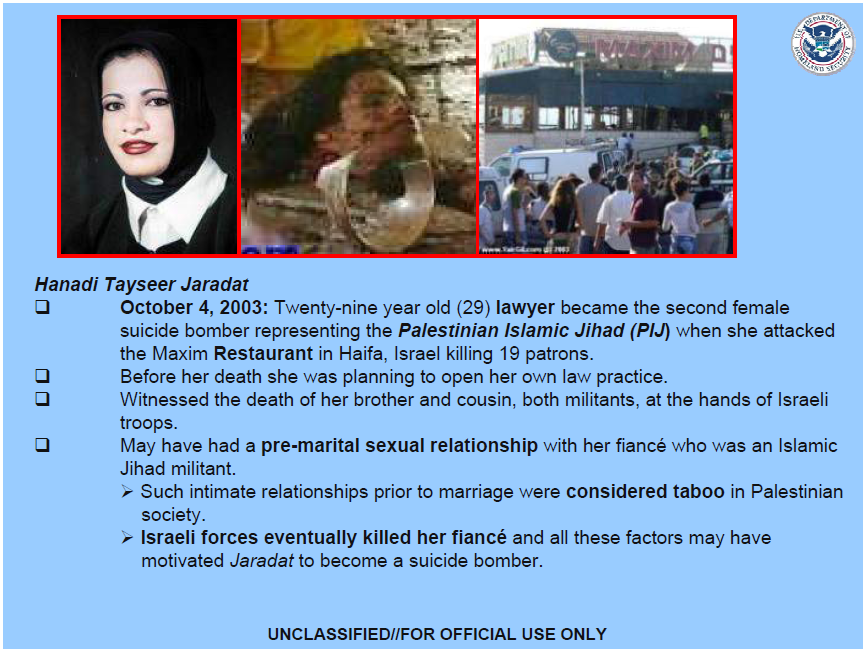
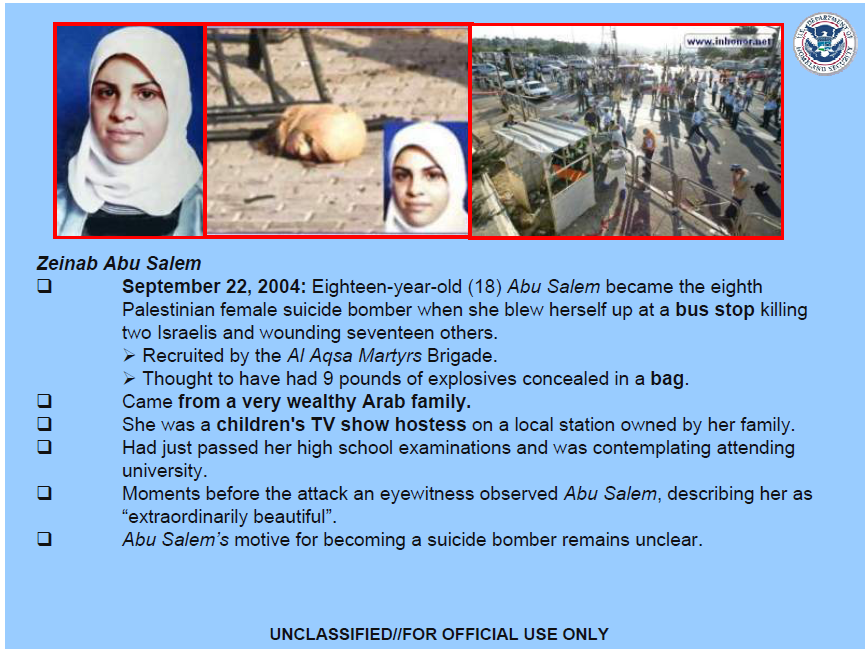
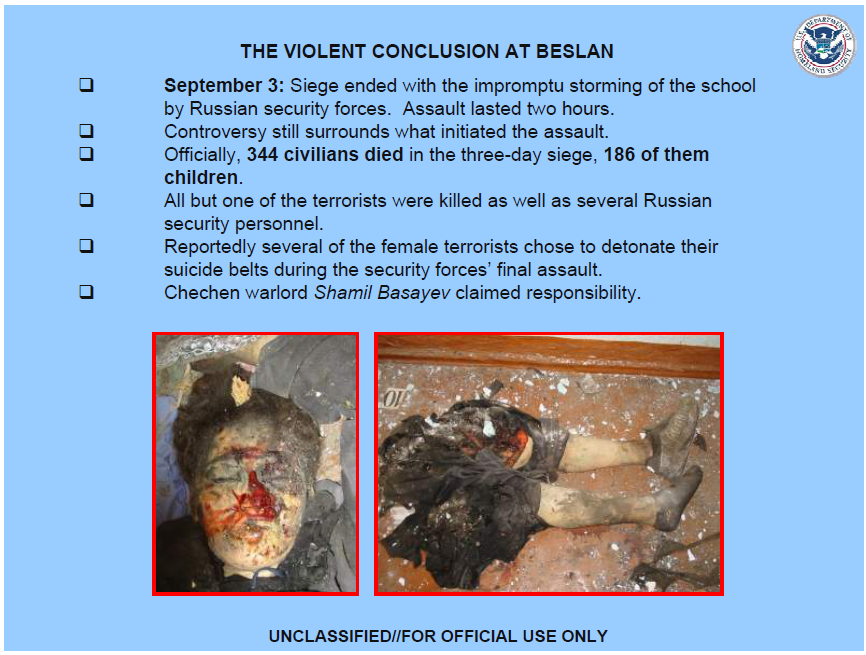
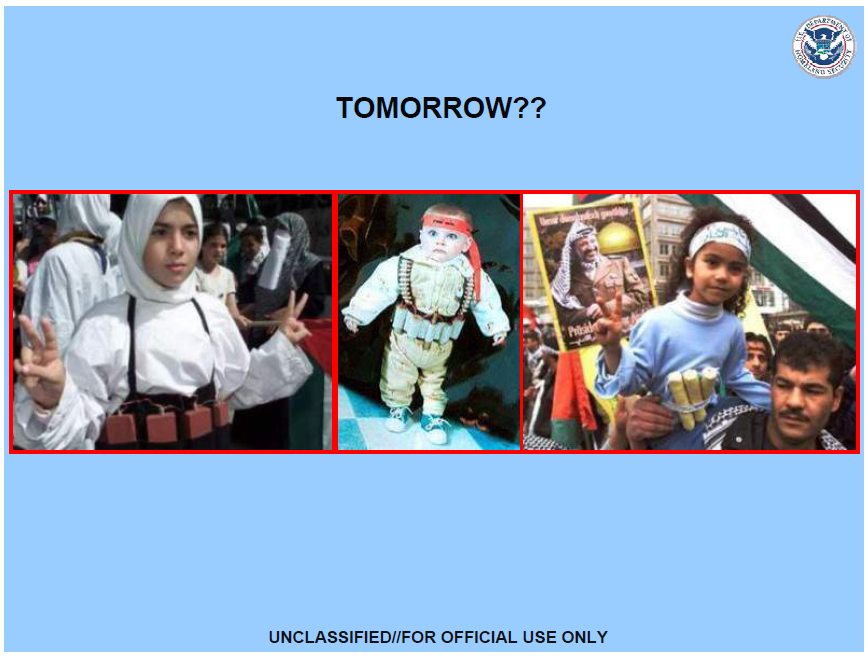
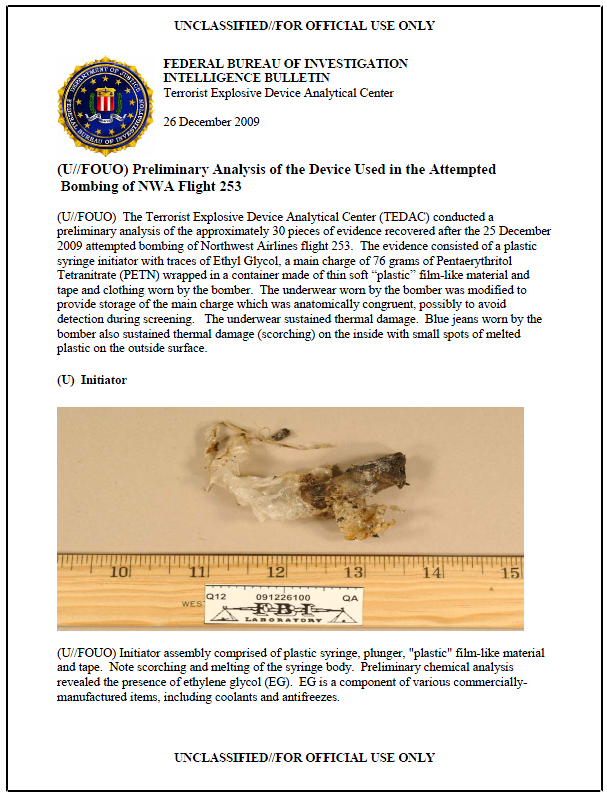
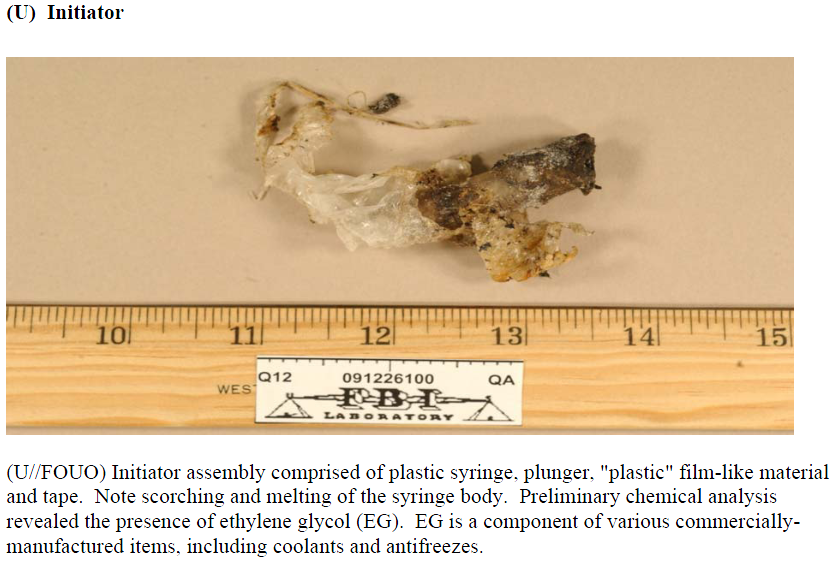
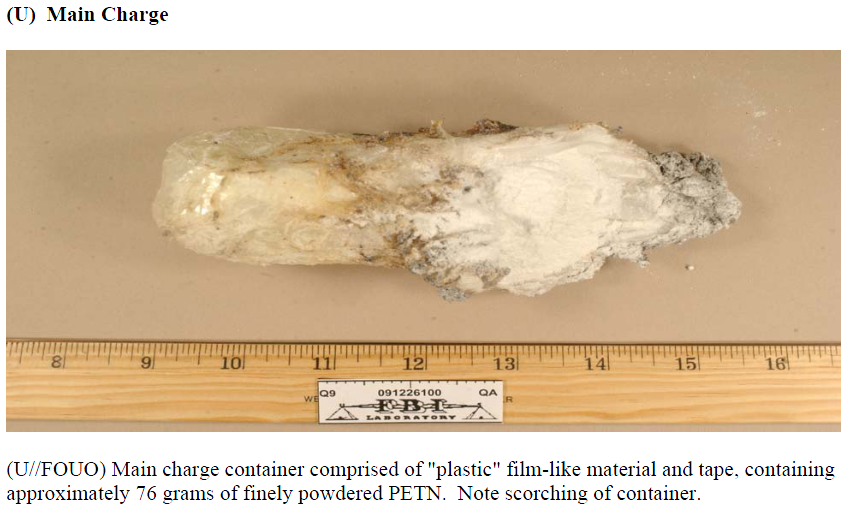
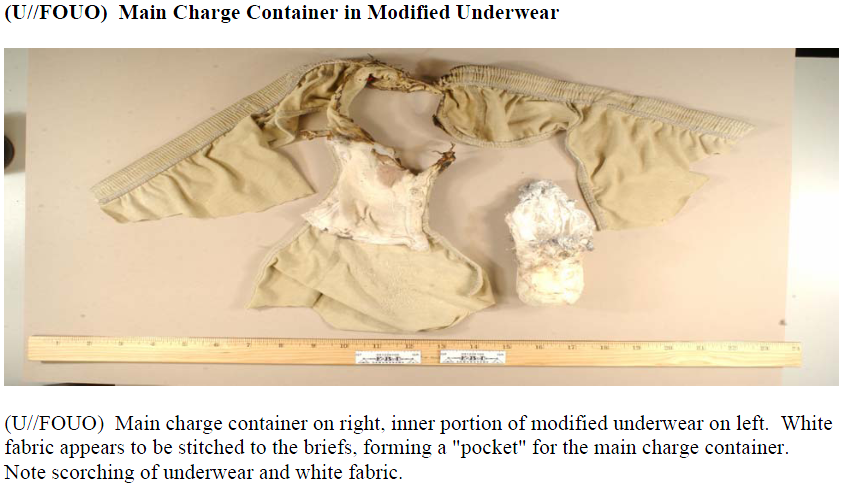
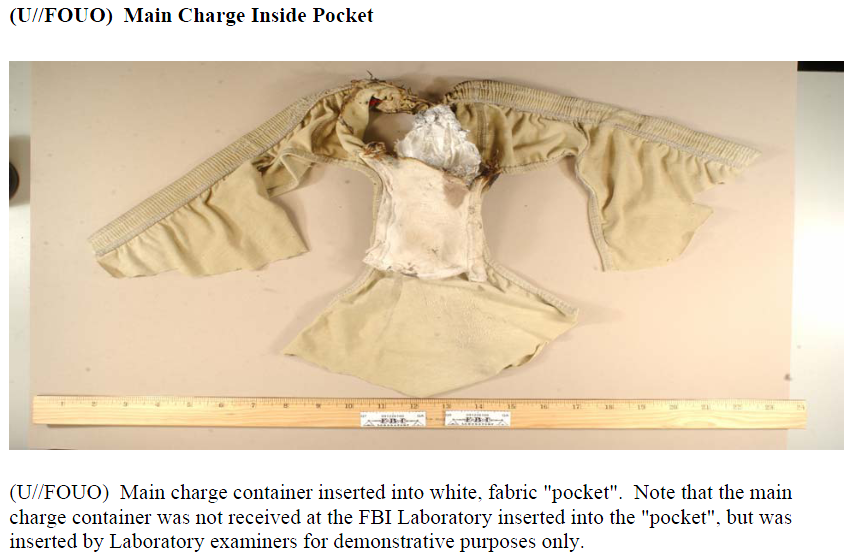










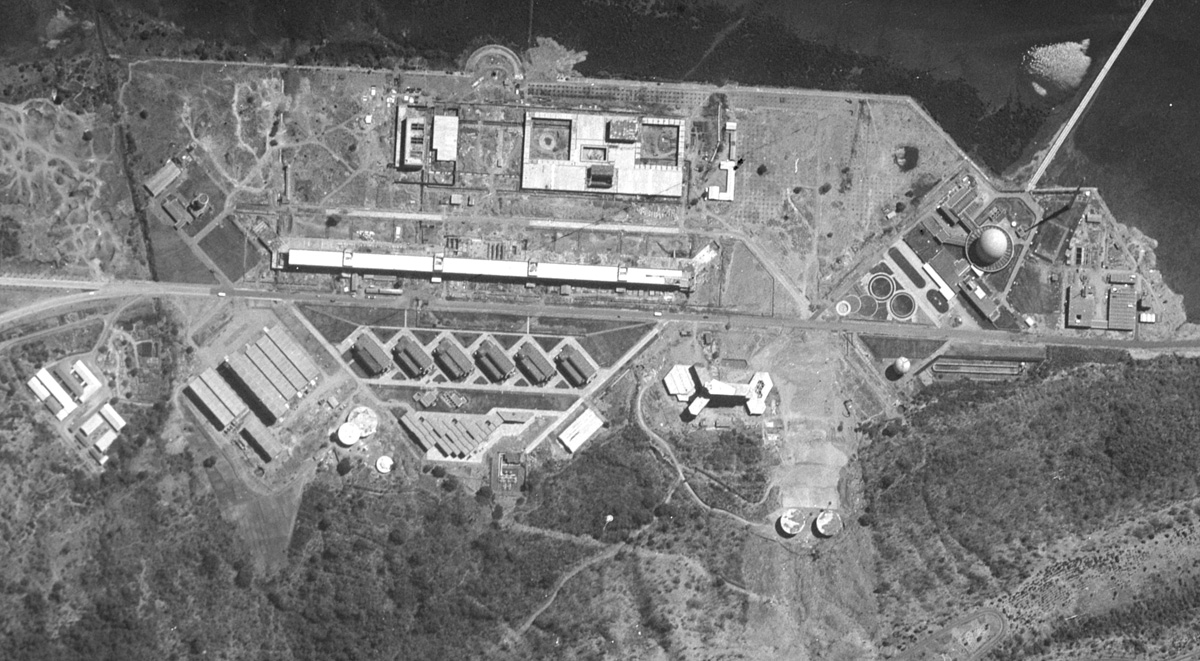

![[Image]](https://i0.wp.com/cryptome.org/info/women-protest10/pict34.jpg) Egyptian army soldiers rear arrest a woman protester wearing the Niqab during clashes near Cairo’s downtown Tahrir Square, Egypt, Friday, Dec. 16, 2011. Activists say the clashes began after soldiers severely beat a young man who was part of a sit-in outside the Cabinet building. (Ahmed Ali)
Egyptian army soldiers rear arrest a woman protester wearing the Niqab during clashes near Cairo’s downtown Tahrir Square, Egypt, Friday, Dec. 16, 2011. Activists say the clashes began after soldiers severely beat a young man who was part of a sit-in outside the Cabinet building. (Ahmed Ali)![[Image]](https://i0.wp.com/cryptome.org/info/women-protest10/pict0.jpg) Egyptian army soldiers beat a protester wearing a Niqab, an Islamic veil, during clashes near Cairo’s downtown Tahrir Square, Egypt, Friday, Dec. 16, 2011. Activists say the clashes began after soldiers severely beat a young man who was part of a sit-in outside the Cabinet building. At background graffiti depicts members of the military ruling council and Arabic reads: “Killer”. (Ahmed Ali)
Egyptian army soldiers beat a protester wearing a Niqab, an Islamic veil, during clashes near Cairo’s downtown Tahrir Square, Egypt, Friday, Dec. 16, 2011. Activists say the clashes began after soldiers severely beat a young man who was part of a sit-in outside the Cabinet building. At background graffiti depicts members of the military ruling council and Arabic reads: “Killer”. (Ahmed Ali)![[Image]](https://i0.wp.com/cryptome.org/info/women-protest10/pict1.jpg) Egyptian protesters threw rocks at military police during clashes near Cairo’s downtown Tahrir Square, Egypt, Friday, Dec. 16, 2011. Activists say the clashes began after soldiers severely beat a young man who was part of a sit-in outside the Cabinet building. (Ahmed Ali)
Egyptian protesters threw rocks at military police during clashes near Cairo’s downtown Tahrir Square, Egypt, Friday, Dec. 16, 2011. Activists say the clashes began after soldiers severely beat a young man who was part of a sit-in outside the Cabinet building. (Ahmed Ali)
![[Image]](https://i0.wp.com/cryptome.org/info/women-protest10/pict5.jpg)
![[Image]](https://i0.wp.com/cryptome.org/info/women-protest10/pict3.jpg)
![[Image]](https://i0.wp.com/cryptome.org/info/women-protest10/pict6.jpg)
![[Image]](https://i0.wp.com/cryptome.org/info/women-protest10/pict33.jpg) Egyptian army soldiers arrest a woman protester during clashes with military police near Cairo’s downtown Tahrir Square, Egypt Friday, Dec. 16, 2011. Activists say the clashes began after soldiers severely beat a young man who was part of a sit-in outside the Cabinet building.
Egyptian army soldiers arrest a woman protester during clashes with military police near Cairo’s downtown Tahrir Square, Egypt Friday, Dec. 16, 2011. Activists say the clashes began after soldiers severely beat a young man who was part of a sit-in outside the Cabinet building.![[Image]](https://i0.wp.com/cryptome.org/info/women-protest10/pict32.jpg) Egyptian army soldiers arrest a woman protester during clashes with military police near Cairo’s downtown Tahrir Square, Friday, Dec. 16, 2011. Activists say the clashes began after soldiers severely beat a young man who was part of a sit-in outside the Cabinet building.
Egyptian army soldiers arrest a woman protester during clashes with military police near Cairo’s downtown Tahrir Square, Friday, Dec. 16, 2011. Activists say the clashes began after soldiers severely beat a young man who was part of a sit-in outside the Cabinet building.![[Image]](https://i0.wp.com/cryptome.org/info/women-protest10/pict35.jpg) Egyptian soldiers arrested a female protester during the second day of clashes in Tahrir Square in Cairo on Saturday. Reuters
Egyptian soldiers arrested a female protester during the second day of clashes in Tahrir Square in Cairo on Saturday. Reuters![[Image]](https://i0.wp.com/cryptome.org/info/women-protest10/pict2.jpg) A woman is taken away by the Egyptian army during clashes in central Cairo on Dec. 16, 2011. (Khaled Elfiqi)
A woman is taken away by the Egyptian army during clashes in central Cairo on Dec. 16, 2011. (Khaled Elfiqi)![[Image]](https://i0.wp.com/cryptome.org/info/women-protest10/pict4.jpg) Egyptian anti-army protesters throw stones at pro-army protesters (not pictured) during clashes, in central Cairo, Egypt, 16 december 2011. EPA
Egyptian anti-army protesters throw stones at pro-army protesters (not pictured) during clashes, in central Cairo, Egypt, 16 december 2011. EPA![[Image]](https://i0.wp.com/cryptome.org/info/women-protest10/pict7.jpg) Egyptian soldiers clash with protesters near Cairo’s Tahrir Square on December 16, 2011 after demonstrators threw petrol bombs and set fire to furniture in front of the nearby parliament. AFP
Egyptian soldiers clash with protesters near Cairo’s Tahrir Square on December 16, 2011 after demonstrators threw petrol bombs and set fire to furniture in front of the nearby parliament. AFP
![[Image]](https://i0.wp.com/cryptome.org/info/women-protest10/pict8.jpg)
![[Image]](https://i0.wp.com/cryptome.org/info/women-protest10/pict9.jpg) Anti-government protesters react to tear gas fired by riot police during clashes Saturday, Dec. 17, 2011, in Abu Saiba village west of the capital of Manama, Bahrain. It was the third straight day of clashes along a main highway where protesters have been trying to stage sit-ins against the government. (Hasan Jamali)
Anti-government protesters react to tear gas fired by riot police during clashes Saturday, Dec. 17, 2011, in Abu Saiba village west of the capital of Manama, Bahrain. It was the third straight day of clashes along a main highway where protesters have been trying to stage sit-ins against the government. (Hasan Jamali)![[Image]](https://i0.wp.com/cryptome.org/info/women-protest10/pict19.jpg) Protestors supporting Pfc. Bradley Manning gather outside Ft. Meade, Md., Saturday, Dec. 17, 2011, where military prosecutors are presenting their case against him as the source for the WikiLeaks website’s collection of U.S. military and diplomatic secrets. Manning, 24-year-old today, is blamed for the largest leak of classified material in American history. The purpose of the hearing is to determine whether prosecutors have enough evidence to bring Manning to trial. (Jose Luis Magana)
Protestors supporting Pfc. Bradley Manning gather outside Ft. Meade, Md., Saturday, Dec. 17, 2011, where military prosecutors are presenting their case against him as the source for the WikiLeaks website’s collection of U.S. military and diplomatic secrets. Manning, 24-year-old today, is blamed for the largest leak of classified material in American history. The purpose of the hearing is to determine whether prosecutors have enough evidence to bring Manning to trial. (Jose Luis Magana)![[Image]](https://i0.wp.com/cryptome.org/info/women-protest10/pict17.jpg) Activist of women’s movement FEMEN stand atop a fence during their protest in front of the cabinet of the Ministers building in Kiev on December 16, 2011. The young Ukrainian women climbed up a fence in front of the Cabinet of Ministers building and protested against the lack of women in the Prime Minister Mykola Azarov’s government. Getty
Activist of women’s movement FEMEN stand atop a fence during their protest in front of the cabinet of the Ministers building in Kiev on December 16, 2011. The young Ukrainian women climbed up a fence in front of the Cabinet of Ministers building and protested against the lack of women in the Prime Minister Mykola Azarov’s government. Getty
![[Image]](https://i0.wp.com/cryptome.org/info/women-protest10/pict18.jpg)
![[Image]](https://i0.wp.com/cryptome.org/info/women-protest10/pict10.jpg) Anti-government protesters gesture toward riot police (unseen) Thursday, Dec. 15, 2011, along a northern highway by the entry to the Shiite village of Saar, Bahrain, site of an opposition sit-in that was dispersed by police with tear gas and sound bombs. (Hasan Jamali)
Anti-government protesters gesture toward riot police (unseen) Thursday, Dec. 15, 2011, along a northern highway by the entry to the Shiite village of Saar, Bahrain, site of an opposition sit-in that was dispersed by police with tear gas and sound bombs. (Hasan Jamali)![[Image]](https://i0.wp.com/cryptome.org/info/women-protest10/pict11.jpg) Protestors hold on to a rope, forming a human chain, while marching to the finance ministry Thursday, Dec. 15 2011, in Lisbon. Civil servants’ unions organized the demonstration to protest the government’s austerity measures. Portugal needed a euro78 billion ($103 billion) bailout earlier this year as its high debt load pushed it close to bankruptcy and the government is enacting an austerity program of pay cuts and tax hikes. Banners read “Don’t rob the future”. (Armando Franca)
Protestors hold on to a rope, forming a human chain, while marching to the finance ministry Thursday, Dec. 15 2011, in Lisbon. Civil servants’ unions organized the demonstration to protest the government’s austerity measures. Portugal needed a euro78 billion ($103 billion) bailout earlier this year as its high debt load pushed it close to bankruptcy and the government is enacting an austerity program of pay cuts and tax hikes. Banners read “Don’t rob the future”. (Armando Franca)![[Image]](https://i0.wp.com/cryptome.org/info/women-protest10/pict12.jpg) In this photo taken Tuesday, Dec. 13, 2011, villagers chant slogans as they gather for a protest in Wukan village of Lufeng, China’s Guangdong province. China’s government is trying to defuse a revolt in the small fishing village, offering to investigate the land seizures that touched off the rebellion and vowing to punish leaders of the uprising. The village of Wukan has for months been the site of simmering protests by locals who say officials sold farmland to developers without their consent.
In this photo taken Tuesday, Dec. 13, 2011, villagers chant slogans as they gather for a protest in Wukan village of Lufeng, China’s Guangdong province. China’s government is trying to defuse a revolt in the small fishing village, offering to investigate the land seizures that touched off the rebellion and vowing to punish leaders of the uprising. The village of Wukan has for months been the site of simmering protests by locals who say officials sold farmland to developers without their consent.![[Image]](https://i0.wp.com/cryptome.org/info/women-protest10/pict13.jpg) Thousands of Lebanese private and public school teachers hold protest in front of the government building in downtown Beirut, Lebanon, Thursday, Dec. 15, 2011, to demand higher wages. The protest comes a week after the government approved a salary raise that many employees considered too low . (Bilal Hussein)
Thousands of Lebanese private and public school teachers hold protest in front of the government building in downtown Beirut, Lebanon, Thursday, Dec. 15, 2011, to demand higher wages. The protest comes a week after the government approved a salary raise that many employees considered too low . (Bilal Hussein)![[Image]](https://i0.wp.com/cryptome.org/info/women-protest10/pict14.jpg) Indian farmers stage a sit in protest as they demand adequate compensation for their farm land acquired for different government projects in Lucknow, India, Wednesday, Dec. 14, 2011. India’s transformation from a largely agrarian nation into a global economic power hinges on a steady supply of land for new factories, call centers, power plants and homes. As cities spill over their seams with ever more people, the government is increasingly seizing the farms around them for private development.
Indian farmers stage a sit in protest as they demand adequate compensation for their farm land acquired for different government projects in Lucknow, India, Wednesday, Dec. 14, 2011. India’s transformation from a largely agrarian nation into a global economic power hinges on a steady supply of land for new factories, call centers, power plants and homes. As cities spill over their seams with ever more people, the government is increasingly seizing the farms around them for private development.![[Image]](https://i0.wp.com/cryptome.org/info/women-protest10/pict15.jpg) Dozens of peasants and activists protest demanding the government to recognize them as victims of the country’s internal conflict, outside the Congress in Bogota, Colombia, Wednesday, Dec. 14, 2011. (William Fernando Martinez)
Dozens of peasants and activists protest demanding the government to recognize them as victims of the country’s internal conflict, outside the Congress in Bogota, Colombia, Wednesday, Dec. 14, 2011. (William Fernando Martinez)![[Image]](https://i0.wp.com/cryptome.org/info/women-protest10/pict16.jpg) Protesters with Occupy Seattle march to the Pat the Port of Seattle, Monday afternoon, Dec. 12, 2011 as part of a national effort to disrupt West Coast port traffic. Organizers called for the protests, hoping the day of demonstrations would cut into the profits of the corporations that run the docks and send a message that their movement was not over. (Mark Harrison)
Protesters with Occupy Seattle march to the Pat the Port of Seattle, Monday afternoon, Dec. 12, 2011 as part of a national effort to disrupt West Coast port traffic. Organizers called for the protests, hoping the day of demonstrations would cut into the profits of the corporations that run the docks and send a message that their movement was not over. (Mark Harrison)


![[Image]](https://i0.wp.com/cryptome.org/info/manning-protest/pict22.jpg) Army Pfc. Bradley Manning, left, is escorted out of a courthouse at Fort Meade, Md., Friday, Dec. 16, 2011, after the first day of a military hearing that will determine if he should face court-martial for his alleged role in the WikiLeaks classified leaks case. Manning is suspected of being the source in one of the largest unauthorized disclosures of classified information in U.S. history. (Cliff Owen)
Army Pfc. Bradley Manning, left, is escorted out of a courthouse at Fort Meade, Md., Friday, Dec. 16, 2011, after the first day of a military hearing that will determine if he should face court-martial for his alleged role in the WikiLeaks classified leaks case. Manning is suspected of being the source in one of the largest unauthorized disclosures of classified information in U.S. history. (Cliff Owen)![[Image]](https://i0.wp.com/cryptome.org/info/manning-protest/pict24.jpg) Army Pfc. Bradley Manning is escorted in handcuffs out of a courthouse in Fort Meade, Md., Friday, Dec. 16, 2011, after the first day of a military hearing that will determine if he should face court-martial for his alleged role in the WikiLeaks classified leaks case. Manning is suspected of being the source in one of the largest unauthorized disclosures of classified information in U.S. history. (Cliff Owen)
Army Pfc. Bradley Manning is escorted in handcuffs out of a courthouse in Fort Meade, Md., Friday, Dec. 16, 2011, after the first day of a military hearing that will determine if he should face court-martial for his alleged role in the WikiLeaks classified leaks case. Manning is suspected of being the source in one of the largest unauthorized disclosures of classified information in U.S. history. (Cliff Owen)![[Image]](https://i0.wp.com/cryptome.org/info/manning-protest/pict26.jpg) Pfc. Bradley Manning is escorted from his his Article 32 hearing December 16, 2011 in Fort Meade, Maryland. Manning is accused of disclosing more than 260,000 diplomatic cables, more than 90,000 intelligence reports on the war in Afghanistan and one video of a military helicopter attack to WikiLeaks, a Web site dedicated to publishing secret documents. Getty
Pfc. Bradley Manning is escorted from his his Article 32 hearing December 16, 2011 in Fort Meade, Maryland. Manning is accused of disclosing more than 260,000 diplomatic cables, more than 90,000 intelligence reports on the war in Afghanistan and one video of a military helicopter attack to WikiLeaks, a Web site dedicated to publishing secret documents. Getty![[Image]](https://i0.wp.com/cryptome.org/info/manning-protest/pict25.jpg) Army security offices stand watch moments before Army Pfc. Bradley Manning is escorted out of a courthouse in Fort Meade, Md., Friday, Dec. 16, 2011, after the first day of a military hearing that will determine if he should face court-martial for his alleged role in the WikiLeaks classified leaks case. Manning is suspected of being the source in one of the largest unauthorized disclosures of classified information in U.S. history. (Cliff Owen)
Army security offices stand watch moments before Army Pfc. Bradley Manning is escorted out of a courthouse in Fort Meade, Md., Friday, Dec. 16, 2011, after the first day of a military hearing that will determine if he should face court-martial for his alleged role in the WikiLeaks classified leaks case. Manning is suspected of being the source in one of the largest unauthorized disclosures of classified information in U.S. history. (Cliff Owen)![[Image]](https://i0.wp.com/cryptome.org/info/manning-protest/pict20.jpg) In this courtroom sketch, Army Pfc. Bradley Manning, second from left, sits as his attorney, David E. Coombs, speaks during a military hearing in Fort Meade, Md. , Friday, Dec. 16, 2011, that will determine if Manning should face court-martial for his alleged role in the WikiLeaks classified leaks case. Manning is suspected of being the source in one of the largest unauthorized disclosures of classified information in U.S. history. AP
In this courtroom sketch, Army Pfc. Bradley Manning, second from left, sits as his attorney, David E. Coombs, speaks during a military hearing in Fort Meade, Md. , Friday, Dec. 16, 2011, that will determine if Manning should face court-martial for his alleged role in the WikiLeaks classified leaks case. Manning is suspected of being the source in one of the largest unauthorized disclosures of classified information in U.S. history. AP![[Image]](https://i0.wp.com/cryptome.org/info/manning-protest/pict21.jpg) David E. Coombs, attorney for Army Pfc. Bradley Manning, right, leaves a courthouse in Fort Meade, Md. , Friday, Dec. 16, 2011, during a recess in a military hearing that will determine if Manning should face court-martial for his alleged role in the WikiLeaks classified leaks case. Manning is suspected of being the source in one of the largest unauthorized disclosures of classified information in U.S. history. AP
David E. Coombs, attorney for Army Pfc. Bradley Manning, right, leaves a courthouse in Fort Meade, Md. , Friday, Dec. 16, 2011, during a recess in a military hearing that will determine if Manning should face court-martial for his alleged role in the WikiLeaks classified leaks case. Manning is suspected of being the source in one of the largest unauthorized disclosures of classified information in U.S. history. AP![[Image]](https://i0.wp.com/cryptome.org/info/manning-protest/pict1.jpg) Protestors supporting Pfc. Bradley Manning march outside the gate of Ft. Meade, Md., Friday, Dec. 16, 2011, where Manning will be attending a hearing to determine if he will be court martialed. (Susan Walsh)
Protestors supporting Pfc. Bradley Manning march outside the gate of Ft. Meade, Md., Friday, Dec. 16, 2011, where Manning will be attending a hearing to determine if he will be court martialed. (Susan Walsh)![[Image]](https://i0.wp.com/cryptome.org/info/manning-protest/pict2.jpg) Protestors supporting Pfc. Bradley Manning gather outside Ft. Meade, Md., Friday, Dec. 16, 2011, where Manning will be attending a hearing to determine if he will be court martialed. The U.S. military is making its case for why Manning should be court-martialed on charges of endangering national security by stealing and leaking an enormous trove of government secrets. (Susan Walsh)
Protestors supporting Pfc. Bradley Manning gather outside Ft. Meade, Md., Friday, Dec. 16, 2011, where Manning will be attending a hearing to determine if he will be court martialed. The U.S. military is making its case for why Manning should be court-martialed on charges of endangering national security by stealing and leaking an enormous trove of government secrets. (Susan Walsh)![[Image]](https://i0.wp.com/cryptome.org/info/manning-protest/pict3.jpg) Protestors supporting Bradley Manning gather outside Ft. Meade, Md., Friday, Dec. 16, 2011, where Manning will be attending a hearing to determine if he will be court martialed. (Susan Walsh)
Protestors supporting Bradley Manning gather outside Ft. Meade, Md., Friday, Dec. 16, 2011, where Manning will be attending a hearing to determine if he will be court martialed. (Susan Walsh)![[Image]](https://i0.wp.com/cryptome.org/info/manning-protest/pict4.jpg) Richard Ochs of Baltimore, Md., protests outside of Ft. Meade, Md., Friday, Dec. 16, 2011, to support Pfc. Bradley Manning who will be attending a hearing to determine if he will be court martialed. (Susan Walsh)
Richard Ochs of Baltimore, Md., protests outside of Ft. Meade, Md., Friday, Dec. 16, 2011, to support Pfc. Bradley Manning who will be attending a hearing to determine if he will be court martialed. (Susan Walsh)![[Image]](https://i0.wp.com/cryptome.org/info/manning-protest/pict5.jpg) A soldier stands guard at a roadblock outside of a courthouse in Fort Meade, Md., Friday, Dec. 16, 2011, during a military hearing that will determine if Army Pfc. Bradley Manning should face court-martial for his alleged role in the WikiLeaks classified leaks case. Manning is suspected of being the source in one of the largest unauthorized disclosures of classified information in U.S. history. (Patrick Semansky)
A soldier stands guard at a roadblock outside of a courthouse in Fort Meade, Md., Friday, Dec. 16, 2011, during a military hearing that will determine if Army Pfc. Bradley Manning should face court-martial for his alleged role in the WikiLeaks classified leaks case. Manning is suspected of being the source in one of the largest unauthorized disclosures of classified information in U.S. history. (Patrick Semansky)![[Image]](https://i0.wp.com/cryptome.org/info/manning-protest/pict6.jpg) Dave Eberhardt of Baltimore, Md., protests outside Ft. Meade, Md., Friday, Dec. 16, 2011, in support Pfc. Bradley Manning. The U.S. military is making its case for why Manning should be court-martialed on charges of endangering national security by stealing and leaking an enormous trove of government secrets. (Susan Walsh)
Dave Eberhardt of Baltimore, Md., protests outside Ft. Meade, Md., Friday, Dec. 16, 2011, in support Pfc. Bradley Manning. The U.S. military is making its case for why Manning should be court-martialed on charges of endangering national security by stealing and leaking an enormous trove of government secrets. (Susan Walsh)![[Image]](https://i0.wp.com/cryptome.org/info/manning-protest/pict18.jpg) Supporters of Pfc. Bradley Manning walk away after attending his Article 32 hearing, on December 16, 2011 in Fort Meade, Maryland. Manning is accused of disclosing more than 260,000 diplomatic cables, more than 90,000 intelligence reports on the war in Afghanistan and one video of a military helicopter attack to WikiLeaks, a Web site dedicated to publishing secret documents. Getty
Supporters of Pfc. Bradley Manning walk away after attending his Article 32 hearing, on December 16, 2011 in Fort Meade, Maryland. Manning is accused of disclosing more than 260,000 diplomatic cables, more than 90,000 intelligence reports on the war in Afghanistan and one video of a military helicopter attack to WikiLeaks, a Web site dedicated to publishing secret documents. Getty![[Image]](https://i0.wp.com/cryptome.org/info/manning-protest/pict19.jpg) Military police talk to supprters of Pfc. Bradley Manning after they attended his Article 32 hearing December 16, 2011 in Fort Meade, Maryland. Pfc. Manning is accused of disclosing more than 260,000 diplomatic cables, more than 90,000 intelligence reports on the war in Afghanistan and one video of a military helicopter attack to WikiLeaks, a Web site dedicated to publishing secret documents. Getty
Military police talk to supprters of Pfc. Bradley Manning after they attended his Article 32 hearing December 16, 2011 in Fort Meade, Maryland. Pfc. Manning is accused of disclosing more than 260,000 diplomatic cables, more than 90,000 intelligence reports on the war in Afghanistan and one video of a military helicopter attack to WikiLeaks, a Web site dedicated to publishing secret documents. Getty![[Image]](https://i0.wp.com/cryptome.org/info/manning-protest/pict7.jpg) People walk into a courthouse in Fort Meade, Md., Friday, Dec. 16, 2011, for a military hearing that will determine if Army Pfc. Bradley Manning should face court-martial for his alleged role in the WikiLeaks classified leaks case. Manning is suspected of being the source in one of the largest unauthorized disclosures of classified information in U.S. history. (Patrick Semansky)
People walk into a courthouse in Fort Meade, Md., Friday, Dec. 16, 2011, for a military hearing that will determine if Army Pfc. Bradley Manning should face court-martial for his alleged role in the WikiLeaks classified leaks case. Manning is suspected of being the source in one of the largest unauthorized disclosures of classified information in U.S. history. (Patrick Semansky)
![[Image]](https://i0.wp.com/cryptome.org/info/manning-protest/pict8.jpg)
![[Image]](https://i0.wp.com/cryptome.org/info/manning-protest/pict9.jpg) Police officers from U.S. Army Fort George G. Meade walk outside the base gates to talk with journalists and demonstrators protesting in supprt of U.S. Army Private Bradley Manning December 18, 2011 in Fort Meade, Maryland. Manning is accused of disclosing more than 260,000 diplomatic cables, more than 90,000 intelligence reports on the war in Afghanistan and one video of a military helicopter attack to WikiLeaks, a Web site dedicated to publishing secret documents. Getty
Police officers from U.S. Army Fort George G. Meade walk outside the base gates to talk with journalists and demonstrators protesting in supprt of U.S. Army Private Bradley Manning December 18, 2011 in Fort Meade, Maryland. Manning is accused of disclosing more than 260,000 diplomatic cables, more than 90,000 intelligence reports on the war in Afghanistan and one video of a military helicopter attack to WikiLeaks, a Web site dedicated to publishing secret documents. Getty![[Image]](https://i0.wp.com/cryptome.org/info/manning-protest/pict10.jpg) Supporters of U.S. Army Private Bradley Manning, an Army intelligence analyst, hold vigil outside the gates of U.S. Army Fort George G. Meade where Manning’s Article 32 preliminary hearing will begin December 18, 2011 in Fort Meade, Maryland. Manning is accused of disclosing more than 260,000 diplomatic cables, more than 90,000 intelligence reports on the war in Afghanistan and one video of a military helicopter attack to WikiLeaks, a Web site dedicated to publishing secret documents. Getty
Supporters of U.S. Army Private Bradley Manning, an Army intelligence analyst, hold vigil outside the gates of U.S. Army Fort George G. Meade where Manning’s Article 32 preliminary hearing will begin December 18, 2011 in Fort Meade, Maryland. Manning is accused of disclosing more than 260,000 diplomatic cables, more than 90,000 intelligence reports on the war in Afghanistan and one video of a military helicopter attack to WikiLeaks, a Web site dedicated to publishing secret documents. Getty![[Image]](https://i0.wp.com/cryptome.org/info/manning-protest/pict11.jpg) A helicopter from the Anne Arundel County Sheriff’s Office circles above supporters of U.S. Army Private Bradley Manning, an Army intelligence analyst, as they hold vigil outside the gates of U.S. Army Fort George G. Meade, where Manning’s Article 32 preliminary hearing is being held, December 18, 2011 in Fort Meade, Maryland. Manning is accused of disclosing more than 260,000 diplomatic cables, more than 90,000 intelligence reports on the war in Afghanistan and one video of a military helicopter attack to WikiLeaks, a Web site dedicated to publishing secret documents. Getty
A helicopter from the Anne Arundel County Sheriff’s Office circles above supporters of U.S. Army Private Bradley Manning, an Army intelligence analyst, as they hold vigil outside the gates of U.S. Army Fort George G. Meade, where Manning’s Article 32 preliminary hearing is being held, December 18, 2011 in Fort Meade, Maryland. Manning is accused of disclosing more than 260,000 diplomatic cables, more than 90,000 intelligence reports on the war in Afghanistan and one video of a military helicopter attack to WikiLeaks, a Web site dedicated to publishing secret documents. Getty![[Image]](https://i0.wp.com/cryptome.org/info/manning-protest/pict12.jpg) A military personnel directs a group of people outside the courthouse at Fort Meade, Maryland during the U.S. vs Private Bradley E. Manning Article 32 hearing December 16, 2011. An Army intelligence analyst suspected in the biggest leak of classified U.S. documents in history makes his first court appearance on Friday accused of multiple charges including aiding the enemy, which could bring life imprisonment. Reuters
A military personnel directs a group of people outside the courthouse at Fort Meade, Maryland during the U.S. vs Private Bradley E. Manning Article 32 hearing December 16, 2011. An Army intelligence analyst suspected in the biggest leak of classified U.S. documents in history makes his first court appearance on Friday accused of multiple charges including aiding the enemy, which could bring life imprisonment. Reuters![[Image]](https://i0.wp.com/cryptome.org/info/manning-protest/pict13.jpg) Supporters of U.S. Army Private Bradley Manning, an Army intelligence analyst, hold vigil outside the gates of U.S. Army Fort George G. Meade where Manning’s Article 32 preliminary hearing will begin December 18, 2011 in Fort Meade, Maryland. Manning is accused of disclosing more than 260,000 diplomatic cables, more than 90,000 intelligence reports on the war in Afghanistan and one video of a military helicopter attack to WikiLeaks, a Web site dedicated to publishing secret documents. Getty
Supporters of U.S. Army Private Bradley Manning, an Army intelligence analyst, hold vigil outside the gates of U.S. Army Fort George G. Meade where Manning’s Article 32 preliminary hearing will begin December 18, 2011 in Fort Meade, Maryland. Manning is accused of disclosing more than 260,000 diplomatic cables, more than 90,000 intelligence reports on the war in Afghanistan and one video of a military helicopter attack to WikiLeaks, a Web site dedicated to publishing secret documents. Getty![[Image]](https://i0.wp.com/cryptome.org/info/manning-protest/pict16.jpg) Journalists stand outside the courthouse at Fort Meade, Maryland during the U.S. vs Private Bradley E. Manning Article 32 hearing December 16, 2011. An Army intelligence analyst suspected in the biggest leak of classified U.S. documents in history makes his first court appearance on Friday accused of multiple charges including aiding the enemy, which could bring life imprisonment. Reuters
Journalists stand outside the courthouse at Fort Meade, Maryland during the U.S. vs Private Bradley E. Manning Article 32 hearing December 16, 2011. An Army intelligence analyst suspected in the biggest leak of classified U.S. documents in history makes his first court appearance on Friday accused of multiple charges including aiding the enemy, which could bring life imprisonment. Reuters![[Image]](https://i0.wp.com/cryptome.org/info/manning-protest/pict17.jpg) David E. Coombs, attorney for Army Pfc. Bradley Manning, leaves a courthouse in Fort Meade, Md. , Friday, Dec. 16, 2011, during a recess in a military hearing that will determine if Manning should face court-martial for his alleged role in the WikiLeaks classified leaks case. Manning is suspected of being the source in one of the largest unauthorized disclosures of classified information in U.S. history.
David E. Coombs, attorney for Army Pfc. Bradley Manning, leaves a courthouse in Fort Meade, Md. , Friday, Dec. 16, 2011, during a recess in a military hearing that will determine if Manning should face court-martial for his alleged role in the WikiLeaks classified leaks case. Manning is suspected of being the source in one of the largest unauthorized disclosures of classified information in U.S. history.


 Political Parties in Afghanistan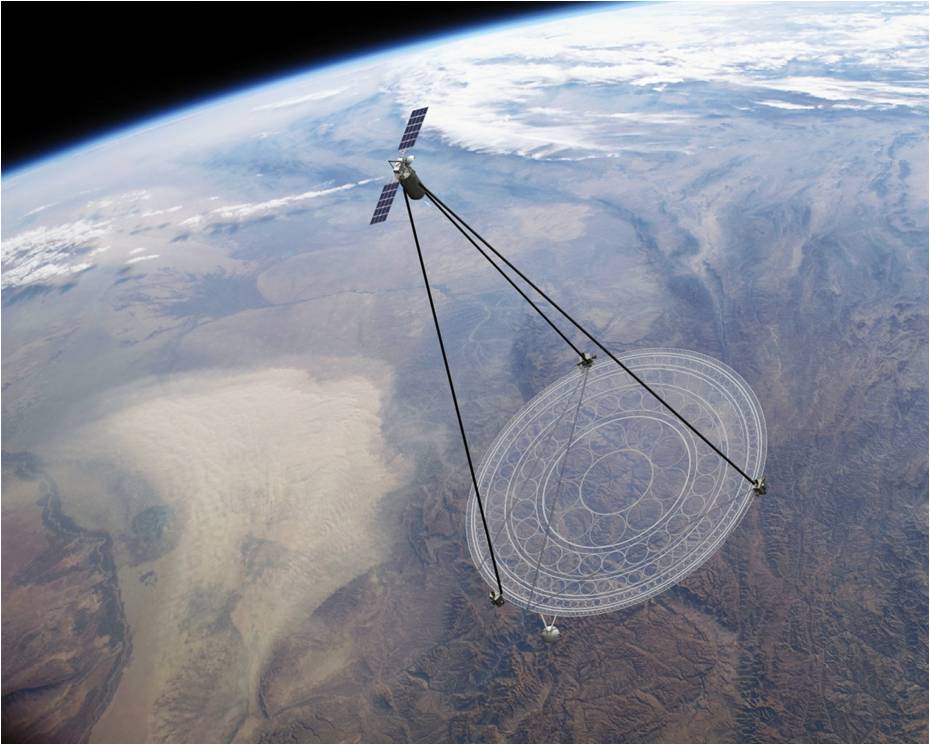


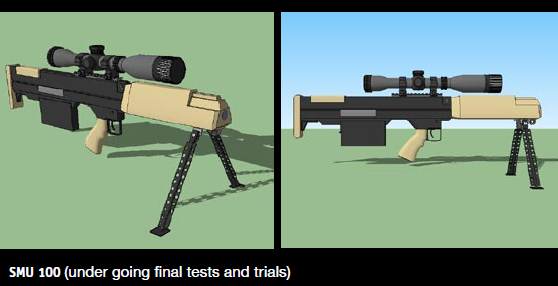


![[Image]](https://i0.wp.com/cryptome.org/info/women-protest9/pict71.jpg) Russian nationalists rally at Bolotnaya Square, on an island in the Moscow River adjacent to the Kremlin in Moscow, Russia, Sunday, Dec. 11, 2011.Russian nationalists are rallying in downtown Moscow, demanding a bigger say for ethnic Russians in the country’s politics and marking the first anniversary of a violent nationalist riot just outside the Kremlin.(Alexander Zemlianichenko)
Russian nationalists rally at Bolotnaya Square, on an island in the Moscow River adjacent to the Kremlin in Moscow, Russia, Sunday, Dec. 11, 2011.Russian nationalists are rallying in downtown Moscow, demanding a bigger say for ethnic Russians in the country’s politics and marking the first anniversary of a violent nationalist riot just outside the Kremlin.(Alexander Zemlianichenko)![[Image]](https://i0.wp.com/cryptome.org/info/women-protest9/pict74.jpg) Russian nationalists shout holding old Russian imperial flags during their rally in St.Petersburg, Russia, Sunday, Dec. 11, 2011. Russian nationalists are rallying in Moscow and St.Petersburg, demanding a bigger say for ethnic Russians in the country’s politics and marking the first anniversary of a violent nationalist riot just outside the Kremlin.(Dmitry Lovetsky)
Russian nationalists shout holding old Russian imperial flags during their rally in St.Petersburg, Russia, Sunday, Dec. 11, 2011. Russian nationalists are rallying in Moscow and St.Petersburg, demanding a bigger say for ethnic Russians in the country’s politics and marking the first anniversary of a violent nationalist riot just outside the Kremlin.(Dmitry Lovetsky)![[Image]](https://i0.wp.com/cryptome.org/info/women-protest9/pict62.jpg) A woman wearing fake horns holds a banner during a demonstration against bullfighting in Mexico City December 10, 2011. More than hundred demonstrators took part in a protest against bullfighting in the country. Bullfighting has been one of the most popular sport in Mexico for the last 400 years, according to local media. The banner reads “Torture”. Reuters
A woman wearing fake horns holds a banner during a demonstration against bullfighting in Mexico City December 10, 2011. More than hundred demonstrators took part in a protest against bullfighting in the country. Bullfighting has been one of the most popular sport in Mexico for the last 400 years, according to local media. The banner reads “Torture”. Reuters![[Image]](https://i0.wp.com/cryptome.org/info/women-protest9/pict59.jpg) French Occupy protesters participate in a rally as part of the 63rd anniversary of the Universal Declaration of the Human Rights, on December 10, 2011 in center Paris. The activists, angered by state spending cuts that hurt ordinary people and high unemployment have called for a nationwide protest. Placard reads : ‘Time for Outrage. Getty
French Occupy protesters participate in a rally as part of the 63rd anniversary of the Universal Declaration of the Human Rights, on December 10, 2011 in center Paris. The activists, angered by state spending cuts that hurt ordinary people and high unemployment have called for a nationwide protest. Placard reads : ‘Time for Outrage. Getty![[Image]](https://i0.wp.com/cryptome.org/info/women-protest9/pict58.jpg) Women dressed in violet clothes march from El Zocalo Square to the Revolution monument along Juarez Avenue on December 10, 2011 in Mexico City to protest against violence The activity called ‘The Rally of the One Thousand Women’ promotes to put an end to the discrimination and violence against women. Getty
Women dressed in violet clothes march from El Zocalo Square to the Revolution monument along Juarez Avenue on December 10, 2011 in Mexico City to protest against violence The activity called ‘The Rally of the One Thousand Women’ promotes to put an end to the discrimination and violence against women. Getty![[Image]](https://i0.wp.com/cryptome.org/info/women-protest9/pict61.jpg) Member of the Association of Parents of Disappeared Persons (APDP) hold portraits of missing relatives during a demonstration to mark International Human Rights Day in Srinagar on December 10, 2011. Demonstrations were held in Srinagar to protest against alleged human rights violations by Indian security forces on Kashmiris. Rights groups say as many as 8,000 people, mostly young men, have ‘disappeared’ by security forces in India-administered Kashmir since an armed insurgency erupted in the Muslim-majority region. Getty
Member of the Association of Parents of Disappeared Persons (APDP) hold portraits of missing relatives during a demonstration to mark International Human Rights Day in Srinagar on December 10, 2011. Demonstrations were held in Srinagar to protest against alleged human rights violations by Indian security forces on Kashmiris. Rights groups say as many as 8,000 people, mostly young men, have ‘disappeared’ by security forces in India-administered Kashmir since an armed insurgency erupted in the Muslim-majority region. Getty![[Image]](https://i0.wp.com/cryptome.org/info/women-protest9/pict55.jpg) In this photo taken with a fisheye lens protesters gather during a rally in downtown St.Petersburg, Russia, Saturday, Dec. 10, 2011. The sign reads “No vote”. More than ten thousands people have protested in St.Petersburg against Prime Minister Vladimir Putin and his party, which won the largest share of a parliamentary election that observers said was rigged. (Dmitry Lovetsky)
In this photo taken with a fisheye lens protesters gather during a rally in downtown St.Petersburg, Russia, Saturday, Dec. 10, 2011. The sign reads “No vote”. More than ten thousands people have protested in St.Petersburg against Prime Minister Vladimir Putin and his party, which won the largest share of a parliamentary election that observers said was rigged. (Dmitry Lovetsky)![[Image]](https://i0.wp.com/cryptome.org/info/women-protest9/pict52.jpg) An elderly demonstrator holds a poster showing an edited photo of Prime Minister Vladimir Putin and signed “2050. No” during a mass rally to protest against alleged vote rigging in Russia’s parliamentary elections in Moscow, Russia, Saturday, Dec. 10, 2011.
An elderly demonstrator holds a poster showing an edited photo of Prime Minister Vladimir Putin and signed “2050. No” during a mass rally to protest against alleged vote rigging in Russia’s parliamentary elections in Moscow, Russia, Saturday, Dec. 10, 2011.![[Image]](https://i0.wp.com/cryptome.org/info/women-protest9/pict53.jpg) Demonstrators shout during a mass rally to protest against alleged vote rigging in Russia’s parliamentary elections in Moscow, Russia, Saturday, Dec. 10, 2011. Russians angered by allegedly fraudulent parliamentary elections are protesting Saturday in cities from the freezing Pacific Coast to the southwest of Russia, eight time zones away, a striking show of indignation, challenging Prime Minister Vladimir Putin’s hold on power. (Mikhail Metzel)
Demonstrators shout during a mass rally to protest against alleged vote rigging in Russia’s parliamentary elections in Moscow, Russia, Saturday, Dec. 10, 2011. Russians angered by allegedly fraudulent parliamentary elections are protesting Saturday in cities from the freezing Pacific Coast to the southwest of Russia, eight time zones away, a striking show of indignation, challenging Prime Minister Vladimir Putin’s hold on power. (Mikhail Metzel)![[Image]](https://i0.wp.com/cryptome.org/info/women-protest9/pict54.jpg) Demonstrators shout during a mass rally to protest against alleged vote rigging in Russia’s parliamentary elections in Moscow, Russia, Saturday, Dec. 10, 2011. Russians angered by allegedly fraudulent parliamentary elections are protesting Saturday in cities from the freezing Pacific Coast to the southwest of Russia, eight time zones away, a striking show of indignation, challenging Prime Minister Vladimir Putin’s hold on power. (Mikhail Metzel)
Demonstrators shout during a mass rally to protest against alleged vote rigging in Russia’s parliamentary elections in Moscow, Russia, Saturday, Dec. 10, 2011. Russians angered by allegedly fraudulent parliamentary elections are protesting Saturday in cities from the freezing Pacific Coast to the southwest of Russia, eight time zones away, a striking show of indignation, challenging Prime Minister Vladimir Putin’s hold on power. (Mikhail Metzel)![[Image]](https://i0.wp.com/cryptome.org/info/women-protest9/pict56.jpg) Protesters light flares during a mass rally to protest against alleged vote rigging in Russia’s parliamentary elections in Moscow, Russia, Saturday, Dec. 10, 2011.Russians angered by allegedly fraudulent parliamentary elections are protesting Saturday in cities from the freezing Pacific Coast to the southwest of Russia, eight time zones away, a striking show of indignation, challenging Prime Minister Vladimir Putin’s hold on power. (Pavel Golovkin)
Protesters light flares during a mass rally to protest against alleged vote rigging in Russia’s parliamentary elections in Moscow, Russia, Saturday, Dec. 10, 2011.Russians angered by allegedly fraudulent parliamentary elections are protesting Saturday in cities from the freezing Pacific Coast to the southwest of Russia, eight time zones away, a striking show of indignation, challenging Prime Minister Vladimir Putin’s hold on power. (Pavel Golovkin)
![[Image]](https://i0.wp.com/cryptome.org/info/women-protest9/pict57.jpg)
![[Image]](https://i0.wp.com/cryptome.org/info/women-protest9/pict22.jpg) A supporter of Ivory Coast Prime Minister and leader of news forces the former rebel groupe looks on during a legislative election meeting in Ferkessedougou, north of Ivory Coast, on December 9, 2011. The December 11 polls are boycotted by former Ivorian President Laurent Gbagbo’s Ivorian Popular Front party (FPI) and its allies in protest against his arrest and transfer to the International Criminal Court in The Hague. Nearly 1,000 candidates are in the fray for the 255 parliamentary seats. Getty
A supporter of Ivory Coast Prime Minister and leader of news forces the former rebel groupe looks on during a legislative election meeting in Ferkessedougou, north of Ivory Coast, on December 9, 2011. The December 11 polls are boycotted by former Ivorian President Laurent Gbagbo’s Ivorian Popular Front party (FPI) and its allies in protest against his arrest and transfer to the International Criminal Court in The Hague. Nearly 1,000 candidates are in the fray for the 255 parliamentary seats. Getty![[Image]](https://i0.wp.com/cryptome.org/info/women-protest9/pict20.jpg) People protest in the halls of the venue of UN Climate Talks on December 9, 2011, to demand that nations not sign a “death sentence” during the UN Framework Convention on Climate Change (UNFCCC) in Durban. Standing side-by-side with delegates from some of the world’s most vulnerable countries, civil society representatives sang traditional South African freedom songs and chanted slogans like, “Listen to the People, Not the Polluters. In the last 48 hours, over 700,000 people have signed petitions calling on major emitters to stand with the nations of Africa and resist any attempts to delay climate action until 2020. UN climate talks entered their second week entangled in a thick mesh of issues with no guarantee that negotiators and their ministers will be able to sort them out. The 194-nation process is facing, for the second time in two years, the prospect of a bustup, even as scientists warn against the mounting threat of disaster-provoking storms, droughts, flood and rising seas made worse by global warming. Getty
People protest in the halls of the venue of UN Climate Talks on December 9, 2011, to demand that nations not sign a “death sentence” during the UN Framework Convention on Climate Change (UNFCCC) in Durban. Standing side-by-side with delegates from some of the world’s most vulnerable countries, civil society representatives sang traditional South African freedom songs and chanted slogans like, “Listen to the People, Not the Polluters. In the last 48 hours, over 700,000 people have signed petitions calling on major emitters to stand with the nations of Africa and resist any attempts to delay climate action until 2020. UN climate talks entered their second week entangled in a thick mesh of issues with no guarantee that negotiators and their ministers will be able to sort them out. The 194-nation process is facing, for the second time in two years, the prospect of a bustup, even as scientists warn against the mounting threat of disaster-provoking storms, droughts, flood and rising seas made worse by global warming. Getty![[Image]](https://i0.wp.com/cryptome.org/info/women-protest9/pict19.jpg) Journalists demonstrate during a protest against the murders of their counterparts outside the Presidential house in Tegucigalpa December 9, 2011. 17 journalists have been shot dead in Honduras since 2010, making the small Central American nation one of the world’s most dangerous places for reporters, according human rights groups. Reuters
Journalists demonstrate during a protest against the murders of their counterparts outside the Presidential house in Tegucigalpa December 9, 2011. 17 journalists have been shot dead in Honduras since 2010, making the small Central American nation one of the world’s most dangerous places for reporters, according human rights groups. Reuters![[Image]](https://i0.wp.com/cryptome.org/info/women-protest9/pict18.jpg) Bahraini women watch as hundreds of anti-government protesters (unseen) run Friday, Dec. 9, 2011, through the Musalla area of Manama, Bahrain, toward an area that had been the hub of Bahrain’s spring uprising and is now a heavily militarized zone that protesters seek to reclaim. The protesters were forced back by riot police just short of the area. Writing on the wall reads “freedom” above pictures of political prisoners. (Hasan Jamali)
Bahraini women watch as hundreds of anti-government protesters (unseen) run Friday, Dec. 9, 2011, through the Musalla area of Manama, Bahrain, toward an area that had been the hub of Bahrain’s spring uprising and is now a heavily militarized zone that protesters seek to reclaim. The protesters were forced back by riot police just short of the area. Writing on the wall reads “freedom” above pictures of political prisoners. (Hasan Jamali)![[Image]](https://i0.wp.com/cryptome.org/info/women-protest9/pict17.jpg) Russian opposition leader Sergei Udaltsov’s wife Anastasia, left, speaks to the media as environmental activist and leader of the Khimki forest defenders Yevgenia Chirikova looks at her during a news conference in Moscow, Russia, Friday Dec. 9, 2011. Energized activists and anxious authorities are bracing for anti-government protests planned across Russia’s sprawling expanse Saturday that promise to be the largest demonstration of public outrage since the dying days of the Soviet Union.
Russian opposition leader Sergei Udaltsov’s wife Anastasia, left, speaks to the media as environmental activist and leader of the Khimki forest defenders Yevgenia Chirikova looks at her during a news conference in Moscow, Russia, Friday Dec. 9, 2011. Energized activists and anxious authorities are bracing for anti-government protests planned across Russia’s sprawling expanse Saturday that promise to be the largest demonstration of public outrage since the dying days of the Soviet Union.![[Image]](https://i0.wp.com/cryptome.org/info/women-protest9/pict7.jpg) Occupy Boston Protestors reacted to the announcement that their downtown encampment would not be evicted on December 9, 2011, in Boston, Massachusetts. Boston Mayor Thomas M. Menino set a midnight deadline for Occupy Boston protestors to leave their downtown encampment in Dudley Square, or face eviction. In response, many of the protestors chose to take down their tents, and by the midnight deadline much of the camp was gone. At approximately 1:15AM on December 9, 2011, the Boston police announced that they would not evict the protestors from Dudley Square. Protestors took to the street in celebration, and further protest. Getty
Occupy Boston Protestors reacted to the announcement that their downtown encampment would not be evicted on December 9, 2011, in Boston, Massachusetts. Boston Mayor Thomas M. Menino set a midnight deadline for Occupy Boston protestors to leave their downtown encampment in Dudley Square, or face eviction. In response, many of the protestors chose to take down their tents, and by the midnight deadline much of the camp was gone. At approximately 1:15AM on December 9, 2011, the Boston police announced that they would not evict the protestors from Dudley Square. Protestors took to the street in celebration, and further protest. Getty![[Image]](https://i0.wp.com/cryptome.org/info/women-protest9/pict9.jpg) Worker Pat Revell pickets outside Unilever’s Port Sunlight factory on the Wirral, Merseyside on December 9, 2011 in Port Sunlight, England. The workers are on strike in protest against the company’s plan to axe their final salary pension scheme. The strike is the first in the history of the consumer goods manufacturer who lists PG Tips tea and Persil washing detergent amongst its products. Getty
Worker Pat Revell pickets outside Unilever’s Port Sunlight factory on the Wirral, Merseyside on December 9, 2011 in Port Sunlight, England. The workers are on strike in protest against the company’s plan to axe their final salary pension scheme. The strike is the first in the history of the consumer goods manufacturer who lists PG Tips tea and Persil washing detergent amongst its products. Getty![[Image]](https://i0.wp.com/cryptome.org/info/women-protest9/pict8.jpg) Supporters of the Serbian Radical Party stand in front of policemen while holding posters with a picture of party leader Vojislav Seselj during a protest against Serbia’s efforts to become an official candidate for the European Union membership in front of Serbia’s Presidency building in Belgrade December 9, 2011. The posters read, “We don’t want in the European Union” (L), and “Tadic don’t humiliate Serbs”. Reuters
Supporters of the Serbian Radical Party stand in front of policemen while holding posters with a picture of party leader Vojislav Seselj during a protest against Serbia’s efforts to become an official candidate for the European Union membership in front of Serbia’s Presidency building in Belgrade December 9, 2011. The posters read, “We don’t want in the European Union” (L), and “Tadic don’t humiliate Serbs”. Reuters![[Image]](https://i0.wp.com/cryptome.org/info/women-protest9/pict6.jpg) People sit as others lay on the ground as they watch a movie in the main entrance of Germans Trias i Pujol hospital during a protest against spending cuts in Catalonia’s public healthcare system, in Badalona, near Barcelona city, Spain, Friday Dec. 9, 2011. The leaders of the 17 countries that use the euro, plus six others, have tentatively agreed to a new treaty that enforces stricter budget rules seen as crucial to solving Europe’s debt crisis and holding the currency-bloc together. An agreement on fiscal discipline is considered a critical first step before the European Central Bank, the International Monetary Fund and others would commit more financial aid to help countries like Italy and Spain, which have large debts and unsustainable borrowing costs. AP
People sit as others lay on the ground as they watch a movie in the main entrance of Germans Trias i Pujol hospital during a protest against spending cuts in Catalonia’s public healthcare system, in Badalona, near Barcelona city, Spain, Friday Dec. 9, 2011. The leaders of the 17 countries that use the euro, plus six others, have tentatively agreed to a new treaty that enforces stricter budget rules seen as crucial to solving Europe’s debt crisis and holding the currency-bloc together. An agreement on fiscal discipline is considered a critical first step before the European Central Bank, the International Monetary Fund and others would commit more financial aid to help countries like Italy and Spain, which have large debts and unsustainable borrowing costs. AP![[Image]](https://i0.wp.com/cryptome.org/info/women-protest9/pict5.jpg) Members of the Red Shirt movement joke with a Thai police officer as they gather to protest against former Thai Prime Minister Abhisit Vejjajiva outside Metropolitan Police headquarters in Bangkok, Thailand Friday, Dec. 9, 2011. Abhisit was called in to give information to a police investigation team on the government’s crackdown on red-shirt demonstrators last year during which 91 people were killed. (Apichart Weerawong)
Members of the Red Shirt movement joke with a Thai police officer as they gather to protest against former Thai Prime Minister Abhisit Vejjajiva outside Metropolitan Police headquarters in Bangkok, Thailand Friday, Dec. 9, 2011. Abhisit was called in to give information to a police investigation team on the government’s crackdown on red-shirt demonstrators last year during which 91 people were killed. (Apichart Weerawong)![[Image]](https://i0.wp.com/cryptome.org/info/women-protest9/pict63.jpg) Panamanian people protest against the return of former General Manuel Noriega to Panama, in Panama City on December 09,2011. Noriega returns to Panama without the trappings of political or military clout, but with something of incalculable value — detailed knowledge of the skeletons that lurk in the Central American nation’s closet. Getty
Panamanian people protest against the return of former General Manuel Noriega to Panama, in Panama City on December 09,2011. Noriega returns to Panama without the trappings of political or military clout, but with something of incalculable value — detailed knowledge of the skeletons that lurk in the Central American nation’s closet. Getty![[Image]](https://i0.wp.com/cryptome.org/info/women-protest9/pict4.jpg) Thousands of people gather outside the main courthouse during the first trial of 22 leftist students who were jailed after they staged a demonstration to protest a police crackdown on anti-government demonstrators in the northern town of Hopa, Black Sea, ahead of general elections in June, in Ankara, Turkey, Friday, Dec. 9, 2011. (Burhan Ozbilici)
Thousands of people gather outside the main courthouse during the first trial of 22 leftist students who were jailed after they staged a demonstration to protest a police crackdown on anti-government demonstrators in the northern town of Hopa, Black Sea, ahead of general elections in June, in Ankara, Turkey, Friday, Dec. 9, 2011. (Burhan Ozbilici)![[Image]](https://i0.wp.com/cryptome.org/info/women-protest9/pict10.jpg) Activists of the Ukrainian women’s movement FEMEN stage a performance in front of the Christ the Saviour Cathedral in Moscow, on December 9, 2011, to protest against alleging mass fraud in the Russian December 4 parliamentary polls and demanding Russia’s Prime Minister Vladimir Putin that he stop his political activities. Putin, who became premier in 2008 after serving two Kremlin terms, filed this week his application to stand in the March elections. Getty
Activists of the Ukrainian women’s movement FEMEN stage a performance in front of the Christ the Saviour Cathedral in Moscow, on December 9, 2011, to protest against alleging mass fraud in the Russian December 4 parliamentary polls and demanding Russia’s Prime Minister Vladimir Putin that he stop his political activities. Putin, who became premier in 2008 after serving two Kremlin terms, filed this week his application to stand in the March elections. Getty![[Image]](https://i0.wp.com/cryptome.org/info/women-protest9/pict0.jpg) Activists of Ukraine’s protest group Femen, protest outside the Christ the Saviour cathedral in Moscow, Russia, Friday, Dec. 9, 2011. The post-election protests in Moscow drew thousands and continued for several days in the biggest ever challenge to Putin, reflecting a growing public frustration with his rule that may complicate his bid to reclaim the presidency in next March’s vote. (Ivan Sekretarev)
Activists of Ukraine’s protest group Femen, protest outside the Christ the Saviour cathedral in Moscow, Russia, Friday, Dec. 9, 2011. The post-election protests in Moscow drew thousands and continued for several days in the biggest ever challenge to Putin, reflecting a growing public frustration with his rule that may complicate his bid to reclaim the presidency in next March’s vote. (Ivan Sekretarev)
![[Image]](https://i0.wp.com/cryptome.org/info/women-protest9/pict2.jpg)
![[Image]](https://i0.wp.com/cryptome.org/info/women-protest9/pict3.jpg)
![[Image]](https://i0.wp.com/cryptome.org/info/women-protest9/pict45.jpg) Medical workers rally at the Latvian Saeima (Parliament) building to protest budget cuts in health care on December 8, 2011 in Riga. The protesters are holding black balloons and various placards, urging the government to care for medical workers and warning that many health care workers may leave Latvia. Placards read: ‘Left country. Everyone has rights to receive health care’. Getty
Medical workers rally at the Latvian Saeima (Parliament) building to protest budget cuts in health care on December 8, 2011 in Riga. The protesters are holding black balloons and various placards, urging the government to care for medical workers and warning that many health care workers may leave Latvia. Placards read: ‘Left country. Everyone has rights to receive health care’. Getty![[Image]](https://i0.wp.com/cryptome.org/info/women-protest9/pict44.jpg) Demonstrators protest about high inflation and low interest rates outside the Bank of England in the City of London December 8, 2011. The Bank of England voted on Thursday to stick to its four-month programme to pump an extra 75 billion pounds of quantitative easing into the rapidly slowing economy. Reuters
Demonstrators protest about high inflation and low interest rates outside the Bank of England in the City of London December 8, 2011. The Bank of England voted on Thursday to stick to its four-month programme to pump an extra 75 billion pounds of quantitative easing into the rapidly slowing economy. Reuters![[Image]](https://i0.wp.com/cryptome.org/info/women-protest9/pict43.jpg) Pakistani protesters carry national flags as they march during a demonstration in Islamabad on December 8, 2011 against the cross-border NATO air strike on Pakistani troops. Several hundred journalists, labour leaders and traders on December 8, took to streets to condemn a recent air strike by NATO on Pakistani military checkposts that killed 24 soldiers. Pakistan shut the only supply route in Khyber tribal region for international troops in Afghanistan, boycotted the Bonn conference and announced to revisit policy towards the US in protest against the attack. Getty
Pakistani protesters carry national flags as they march during a demonstration in Islamabad on December 8, 2011 against the cross-border NATO air strike on Pakistani troops. Several hundred journalists, labour leaders and traders on December 8, took to streets to condemn a recent air strike by NATO on Pakistani military checkposts that killed 24 soldiers. Pakistan shut the only supply route in Khyber tribal region for international troops in Afghanistan, boycotted the Bonn conference and announced to revisit policy towards the US in protest against the attack. Getty![[Image]](https://i0.wp.com/cryptome.org/info/women-protest9/pict42.jpg) Fundamentalist Christians protest on December 8, 2011 in Paris, near the Rond-Point theatre where Argentina-born author Rodrigo Garcia’s play ‘Golgota Picnic’ is performed which they judge ‘blasphemous’. Getty
Fundamentalist Christians protest on December 8, 2011 in Paris, near the Rond-Point theatre where Argentina-born author Rodrigo Garcia’s play ‘Golgota Picnic’ is performed which they judge ‘blasphemous’. Getty![[Image]](https://i0.wp.com/cryptome.org/info/women-protest9/pict41.jpg) People pose with a protester wearing a mock mask depicting Russian Prime Minister Vladimir Putin during a rally in downtown St.Petersburg, Russia, Thursday, Dec. 8, 2011. More than five hundred people protested in St.Petersburg against Putin and his party, which won the largest share of a parliamentary election that observers said was rigged. (Dmitry Lovetsky)
People pose with a protester wearing a mock mask depicting Russian Prime Minister Vladimir Putin during a rally in downtown St.Petersburg, Russia, Thursday, Dec. 8, 2011. More than five hundred people protested in St.Petersburg against Putin and his party, which won the largest share of a parliamentary election that observers said was rigged. (Dmitry Lovetsky)![[Image]](https://i0.wp.com/cryptome.org/info/women-protest9/pict40.jpg) Occupy Boston protester Heather McCann, of Watertown, Mass., center, loads a crate of books into a truck at the Dewey Square encampment while dismantling the camps library, in Boston, Thursday, Dec. 8, 2011. Boston Mayor Thomas Menino said Thursday that Occupy Boston protesters must leave their encampment in the city’s financial district by midnight Thursday or face eviction by police. (Steven Senne)
Occupy Boston protester Heather McCann, of Watertown, Mass., center, loads a crate of books into a truck at the Dewey Square encampment while dismantling the camps library, in Boston, Thursday, Dec. 8, 2011. Boston Mayor Thomas Menino said Thursday that Occupy Boston protesters must leave their encampment in the city’s financial district by midnight Thursday or face eviction by police. (Steven Senne)![[Image]](https://i0.wp.com/cryptome.org/info/women-protest9/pict31.jpg) A veiled Kashmiri government employee participates in a protest against the government in Srinagar, India, Thursday, Dec. 8, 2011. Dozens of government employees demanded release of arrears and regularization of jobs for daily wage workers. (Dar Yasin)
A veiled Kashmiri government employee participates in a protest against the government in Srinagar, India, Thursday, Dec. 8, 2011. Dozens of government employees demanded release of arrears and regularization of jobs for daily wage workers. (Dar Yasin)![[Image]](https://i0.wp.com/cryptome.org/info/women-protest9/pict30.jpg) Protesters march to join fellow protesters who camped out outside a Catholic church near the Presidential Palace in Manila, Philippines Thursday Dec. 8, 2011 to await news of the scheduled execution of a Filipino man convicted in China for drug trafficking. Philippine officials said, the Filipino man, who was convicted on drug trafficking, was executed in China on Thursday despite an appeal for clemency from President Benigno Aquino III on humanitarian grounds. (Bullit Marquez)
Protesters march to join fellow protesters who camped out outside a Catholic church near the Presidential Palace in Manila, Philippines Thursday Dec. 8, 2011 to await news of the scheduled execution of a Filipino man convicted in China for drug trafficking. Philippine officials said, the Filipino man, who was convicted on drug trafficking, was executed in China on Thursday despite an appeal for clemency from President Benigno Aquino III on humanitarian grounds. (Bullit Marquez)![[Image]](https://i0.wp.com/cryptome.org/info/women-protest9/pict29.jpg) Kashmiri government employees participate in a protest against the government in Srinagar, India, Thursday, Dec. 8, 2011. Dozens of government employees demanded release of arrears and regularization of jobs for daily wage workers. (Dar Yasin)
Kashmiri government employees participate in a protest against the government in Srinagar, India, Thursday, Dec. 8, 2011. Dozens of government employees demanded release of arrears and regularization of jobs for daily wage workers. (Dar Yasin)![[Image]](https://i0.wp.com/cryptome.org/info/women-protest9/pict28.jpg) A small group of demonstrators screams slogans demanding UN protection for Iranian dissidents in Camp Ashraf, Iraq, as they protest outside the Dutch Foreign Ministry during U.S. Secretary of State Hillary Rodham Clinton’s visit in The Hague, Netherlands, Thursday Dec. 8, 2011. (Peter Dejong)
A small group of demonstrators screams slogans demanding UN protection for Iranian dissidents in Camp Ashraf, Iraq, as they protest outside the Dutch Foreign Ministry during U.S. Secretary of State Hillary Rodham Clinton’s visit in The Hague, Netherlands, Thursday Dec. 8, 2011. (Peter Dejong)![[Image]](https://i0.wp.com/cryptome.org/info/women-protest9/pict27.jpg) Police officers detain an opposition activist during a rally in downtown St.Petersburg, Russia, Thursday, Dec. 8, 2011. More than five hundreds people have protested in St.Petersburg against Prime Minister Vladimir Putin and his party, which won the largest share of a parliamentary election that observers said was rigged. (Dmitry Lovetsky)
Police officers detain an opposition activist during a rally in downtown St.Petersburg, Russia, Thursday, Dec. 8, 2011. More than five hundreds people have protested in St.Petersburg against Prime Minister Vladimir Putin and his party, which won the largest share of a parliamentary election that observers said was rigged. (Dmitry Lovetsky)![[Image]](https://i0.wp.com/cryptome.org/info/women-protest9/pict26.jpg) French far-right leader Marine Le Pen arrives at their demonstration in Paris Thursday, Dec. 8, 2011. The demonstration was to oppose a bill on which the Senate were voting Thursday afternoon, a private members bill calling for the right for foreigners to be able to vote in French municipal elections. (Jacques Brinon)
French far-right leader Marine Le Pen arrives at their demonstration in Paris Thursday, Dec. 8, 2011. The demonstration was to oppose a bill on which the Senate were voting Thursday afternoon, a private members bill calling for the right for foreigners to be able to vote in French municipal elections. (Jacques Brinon)![[Image]](https://i0.wp.com/cryptome.org/info/women-protest9/pict25.jpg) People living near nuclear plant sites shout slogans during an anti-nuclear protest in New Delhi, India, Thursday, Dec. 8, 2011. The protesters demanded scrapping of projects that endanger people’s safety and threaten livelihoods, according to a press release. Placard reads “Stop displacement of people in the name of development.” (Manish Swarup)
People living near nuclear plant sites shout slogans during an anti-nuclear protest in New Delhi, India, Thursday, Dec. 8, 2011. The protesters demanded scrapping of projects that endanger people’s safety and threaten livelihoods, according to a press release. Placard reads “Stop displacement of people in the name of development.” (Manish Swarup)![[Image]](https://i0.wp.com/cryptome.org/info/women-protest9/pict23.jpg) An Israeli musician covers her face in protest, as she performs during a rally against gender segregation, in Jerusalem, Wednesday, Dec. 7, 2011. Hundreds of women and women’s rights activists gathered in central Jerusalem Wednesday night for a rally organized by the New Israel Fund, themed “women will be seen and heard”, to protest discrimination against women in Israel. (Sebastian Scheiner)
An Israeli musician covers her face in protest, as she performs during a rally against gender segregation, in Jerusalem, Wednesday, Dec. 7, 2011. Hundreds of women and women’s rights activists gathered in central Jerusalem Wednesday night for a rally organized by the New Israel Fund, themed “women will be seen and heard”, to protest discrimination against women in Israel. (Sebastian Scheiner)![[Image]](https://i0.wp.com/cryptome.org/info/women-protest9/pict49.jpg) Nepalese Buddhist monks and nuns take out a protest in Katmandu, Nepal, Wednesday, Dec. 7, 2011. Hundreds of Buddhists demonstrated in Nepal’s capital to protest the appointment of Maoist party chief Pushpa Kamal Dahal to head a project to develop the area where Buddha was believed born in southern Nepal. The protestors demanded that there should not be any political involvement in the project to develop Lumbini, located 150 miles (240 kilometers) southwest of Katmandu. AP
Nepalese Buddhist monks and nuns take out a protest in Katmandu, Nepal, Wednesday, Dec. 7, 2011. Hundreds of Buddhists demonstrated in Nepal’s capital to protest the appointment of Maoist party chief Pushpa Kamal Dahal to head a project to develop the area where Buddha was believed born in southern Nepal. The protestors demanded that there should not be any political involvement in the project to develop Lumbini, located 150 miles (240 kilometers) southwest of Katmandu. AP![[Image]](https://i0.wp.com/cryptome.org/info/women-protest9/pict48.jpg) A Libyan girl holds a placard that reads in Arabic ‘Thank you our brave rebels, but now let us live in peace’ during a protest in Tripoli’s landmark Martyrs Square on December 7, 2011 against former rebels who toppled Moamer Kadhafi but are still camping out in the capital and still have their weapons. Getty
A Libyan girl holds a placard that reads in Arabic ‘Thank you our brave rebels, but now let us live in peace’ during a protest in Tripoli’s landmark Martyrs Square on December 7, 2011 against former rebels who toppled Moamer Kadhafi but are still camping out in the capital and still have their weapons. Getty![[Image]](https://i0.wp.com/cryptome.org/info/women-protest9/pict47.jpg) Members of the Canadian Youth Delegation stage a protest as Canada’s Minister of Environment Peter Kent addresses the United Nations Climate Change Conference (COP17) in Durban in this handout picture released by the Canada Youth Delegation, December 7, 2011. Reuters
Members of the Canadian Youth Delegation stage a protest as Canada’s Minister of Environment Peter Kent addresses the United Nations Climate Change Conference (COP17) in Durban in this handout picture released by the Canada Youth Delegation, December 7, 2011. Reuters![[Image]](https://i0.wp.com/cryptome.org/info/women-protest9/pict46.jpg) Two protesters look at each other as they await processing after being arrested by Washington DC Metropolitan Police during an Occupy DC protest in Washington, December 7, 2011. Police arrested economic protesters in Washington on Wednesday as they blocked streets and disrupted traffic in an area famous as a center for the offices of lobbyists. Reuters
Two protesters look at each other as they await processing after being arrested by Washington DC Metropolitan Police during an Occupy DC protest in Washington, December 7, 2011. Police arrested economic protesters in Washington on Wednesday as they blocked streets and disrupted traffic in an area famous as a center for the offices of lobbyists. Reuters![[Image]](https://i0.wp.com/cryptome.org/info/women-protest9/pict24.jpg) An Occupy DC demonstrator sits on a chair as demonstrators blocked an intersection on K St., in Washington, Wednesday, Dec. 7, 2011. (Evan Vucci)
An Occupy DC demonstrator sits on a chair as demonstrators blocked an intersection on K St., in Washington, Wednesday, Dec. 7, 2011. (Evan Vucci)![[Image]](https://i0.wp.com/cryptome.org/info/women-protest9/pict32.jpg) Occupy Wall Street activists carry house warming gifts to a house warming party during a tour of foreclosed homes in the East New York neighborhood of the Brooklyn borough of New York, Tuesday, Dec. 6, 2011. Finding it increasingly difficult to camp in public spaces, Occupy protesters across the country are reclaiming foreclosed homes and boarded-up properties, signaling a tactical shift for the movement against wealth inequality.
Occupy Wall Street activists carry house warming gifts to a house warming party during a tour of foreclosed homes in the East New York neighborhood of the Brooklyn borough of New York, Tuesday, Dec. 6, 2011. Finding it increasingly difficult to camp in public spaces, Occupy protesters across the country are reclaiming foreclosed homes and boarded-up properties, signaling a tactical shift for the movement against wealth inequality.![[Image]](https://i0.wp.com/cryptome.org/info/women-protest9/pict50.jpg) A Colombian woman living in Panama holds a Colombian national flag during a protest march against the Revolutionary Armed Forces of Colombia (FARC), in Panama City December 6, 2011. Outraged by the killing of four captives by FARC rebels, Colombians protested on Tuesday to demand an end to half a century of guerrilla violence and kidnapping. The words on the flag read: “Release them”. Reuters
A Colombian woman living in Panama holds a Colombian national flag during a protest march against the Revolutionary Armed Forces of Colombia (FARC), in Panama City December 6, 2011. Outraged by the killing of four captives by FARC rebels, Colombians protested on Tuesday to demand an end to half a century of guerrilla violence and kidnapping. The words on the flag read: “Release them”. Reuters![[Image]](https://i0.wp.com/cryptome.org/info/women-protest9/pict51.jpg) Colombian demonstrators take part in a protest march against Revolutionary Armed Forces of Colombia FARC rebels in Cali December 6, 2011. Outraged by the execution of four captives by FARC rebels, tens of thousands of Colombians protested across the nation on Tuesday to demand an end to half a century of guerrilla violence and kidnapping. Reuters
Colombian demonstrators take part in a protest march against Revolutionary Armed Forces of Colombia FARC rebels in Cali December 6, 2011. Outraged by the execution of four captives by FARC rebels, tens of thousands of Colombians protested across the nation on Tuesday to demand an end to half a century of guerrilla violence and kidnapping. Reuters![[Image]](https://i0.wp.com/cryptome.org/info/women-protest9/pict33.jpg) In this Nov. 2, 2011 file photo, occupy Oakland protesters march through the Port of Oakland in Oakland, Calif. Protesters want to shut down ports up and down the U.S. West Coast on Monday, Dec.12,2011, to gum up the engines of global commerce. But organizers who are partly billing this effort as a show of solidarity with longshoremen have not won the support of the powerful union representing thousands of dock workers. (Noah Berger)
In this Nov. 2, 2011 file photo, occupy Oakland protesters march through the Port of Oakland in Oakland, Calif. Protesters want to shut down ports up and down the U.S. West Coast on Monday, Dec.12,2011, to gum up the engines of global commerce. But organizers who are partly billing this effort as a show of solidarity with longshoremen have not won the support of the powerful union representing thousands of dock workers. (Noah Berger)
![[Image]](https://i0.wp.com/cryptome.org/info/women-protest9/pict34.jpg)
![[Image]](https://i0.wp.com/cryptome.org/info/women-protest9/pict35.jpg) An activist of a local women’s rights watchdog FEMEN, with writing “I am independent” and Ukraine’s’ national flag on her belly, seen during celebrities on the occasion of Ukraine’s 19th Independence in Kiev, Ukraine, Tuesday, Aug. 24, 2010. (Efrem Lukatsky)
An activist of a local women’s rights watchdog FEMEN, with writing “I am independent” and Ukraine’s’ national flag on her belly, seen during celebrities on the occasion of Ukraine’s 19th Independence in Kiev, Ukraine, Tuesday, Aug. 24, 2010. (Efrem Lukatsky) Bernd Pulch


You must be logged in to post a comment.